
Best IVF Doctors in Cameroon- With IVF Legalities
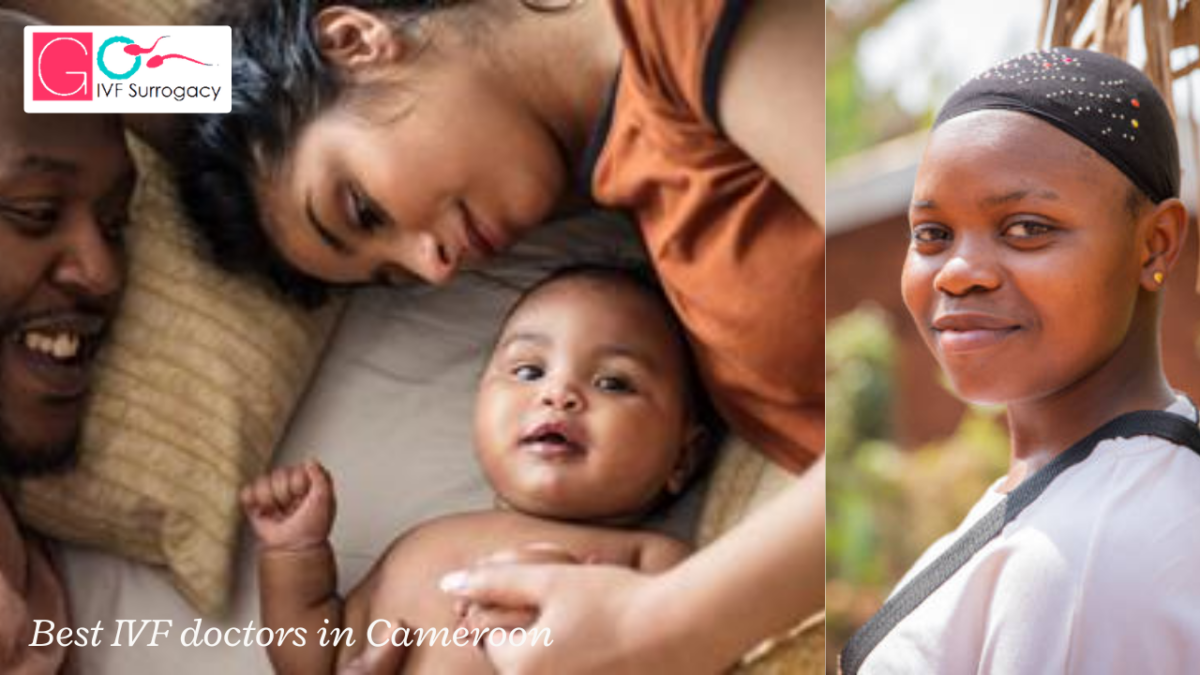
Best IVF Doctors in Cameroon
Many best IVF doctors in Cameroon work with contracts for fertility treatments. Cameroon is a good option for IVF and surrogacy, but a fair contract is necessary, which keeps all terms, because the law is unregulated. Doctors are refining their working methods to increase the success rate of their clinics.
There are many successful IVF stories from Cameroon on the internet. Some of the people search for it because recommended by someone nearby. Different cities in Cameroon can maintain medical technical hospitals. These hospitals have labs, clinical facilities and coordination with other departments.
Why is IVF Treatment Needed?- Full Guidance
IVF (In Vitro Fertilisation) is a medical procedure that helps couples who are unable to conceive naturally. This advanced fertility treatment is recommended when natural conception becomes difficult due to various health conditions. IVF is often the best option for couples facing infertility for a long time, and consulting the Best IVF Doctor in Cameroon can make the process smooth and successful.
Common Reasons Why IVF is Needed:
- Blocked or Damaged Fallopian Tubes: When eggs cannot travel naturally, IVF becomes the best option.
- Male Infertility Issues: Low sperm count or poor sperm quality often requires IVF for fertilisation.
- Ovulation Disorders: Women who have irregular or no ovulation can benefit from IVF.
- Unexplained Infertility: When all reports are normal, but pregnancy does not occur.
- Advanced Maternal Age: IVF helps women above 35 increase their chances of conception.
- Genetic Disorders: IVF allows embryo testing before implantation to avoid hereditary conditions.
IVF is a safe and effective solution for couples struggling with infertility. Choosing the Best IVF Doctor in Cameroon ensures expert care, advanced technology, and higher success rates. With personalised treatment plans and modern facilities, IVF provides new hope to aspiring parents.
IVF Process: Step-by-Step
An efficient IVF procedure ensures the highest chances of success while minimising stress and medical complications. IVF, or In Vitro Fertilisation, involves fertilising an egg with sperm outside the body in a controlled laboratory environment. Once fertilisation occurs, the embryo is transferred to the uterus for implantation. To achieve the best results, it is crucial to consult the Best IVF Doctor in Cameroon, as they follow modern protocols and advanced techniques.
The IVF process starts with ovarian stimulation, where medications are given to produce multiple eggs. These eggs are then retrieved and combined with sperm in a laboratory. The healthiest embryos are carefully selected for transfer, ensuring better pregnancy chances. Skilled specialists and proper monitoring at every stage make the procedure more efficient and successful.
Why choose an experienced doctor? They personalise treatment, reduce risks, and enhance embryo quality through advanced technology. Clinics with the Best IVF doctors in Cameroon also provide genetic screening options, ensuring only healthy embryos are implanted. This significantly improves success rates for couples dealing with infertility.
For couples seeking parenthood, an efficient IVF procedure offers hope and happiness. With expert care, advanced labs, and a supportive team, IVF can turn the dream of becoming parents into reality.
Factors to Choose Cameroon Doctors for IVF
Selecting the right doctor for IVF treatment is one of the most crucial decisions for couples who want to start their family. Cameroon has emerged as a trusted destination for fertility care because of its skilled specialists, advanced technology, and affordable treatment plans. When choosing the Best IVF Doctor in Cameroon, here are the key factors to consider:
- Experience and Expertise
Always check the doctor’s experience in handling complex infertility cases. A well-experienced doctor ensures higher success rates and safe procedures. - Advanced Technology
The best fertility doctors in Cameroon use modern techniques such as ICSI, embryo freezing, and genetic testing to improve treatment outcomes. - Personalized Care
Top IVF specialists provide tailored treatment plans based on individual health conditions and fertility goals. - Transparent Pricing
Choose a doctor who offers clear pricing without hidden charges. This helps in planning your budget effectively. - High Success Rate
A doctor with a proven record of successful IVF cases gives confidence and trust to patients. - Comprehensive Support
Emotional support, counselling, and guidance throughout the treatment are essential for a stress-free experience.
By considering these factors, you can select the Best IVF Doctor in Cameroon and increase your chances of starting a healthy family.
IVF Cost in Cameroon- How Much Does IVF Cost in Cameroon?
The cost of IVF treatment in Cameroon is considered affordable compared to many Western countries, making it a popular choice for couples seeking fertility solutions. On average, a single IVF cycle in Cameroon ranges between XAF 1,200,000 to XAF 2,500,000 (approximately $2,000 to $4,200 USD), depending on the clinic, doctor’s experience, and additional procedures like ICSI, donor eggs, or embryo freezing.
IVF Price in Cameroon
| Procedure | Cost in XAF | Cost in USD (Approx.) |
| Basic IVF Cycle | 1,200,000 – 1,800,000 | $2,000 – $3,000 |
| IVF with ICSI | 1,800,000 – 2,200,000 | $3,000 – $3,700 |
| IVF with Donor Eggs | 2,000,000 – 2,500,000 | $3,300 – $4,200 |
| Embryo Freezing (per year) | 200,000 – 400,000 | $330 – $700 |
| Medications & Tests | 300,000 – 600,000 | $500 – $1,000 |
Factors such as medications, lab charges, and consultation fees can influence the final cost. Couples choose Cameroon for IVF due to its high success rate, advanced fertility clinics, and availability of expert specialists at an economical price.
Factors Affecting the Cost of IVF in Cameroon
The cost of IVF in Cameroon depends on several factors that influence the overall expense. Key aspects include the type of IVF procedure, medications required, and the experience of the fertility specialist. Clinics with advanced technology and higher success rates often charge more.
Additional treatments like ICSI, donor eggs, or embryo freezing increase the cost. Geographic location of the clinic, diagnostic tests, and follow-up care also play a major role. Couples should always compare prices and success rates before choosing a clinic to ensure they get the best treatment within their budget while maintaining quality and safety standards.
- Type of Procedure – Basic IVF costs less than IVF with ICSI or donor eggs.
- Clinic Reputation – Premium fertility centres may have higher charges.
- Doctor’s Expertise – Experienced doctors usually charge more but ensure better success.
- Medications & Hormonal Injections – These can significantly add to the total cost.
- Additional Services – Embryo freezing, genetic testing, or donor programs increase expenses.
- Location of Clinic – Urban clinics are generally more expensive than rural ones.
- Success Rate & Technology Used – Advanced labs and modern equipment impact cost.
- Number of Cycles Needed – Multiple attempts can increase the overall budget.
What are the IVF Legalities in Cameroon?
In Cameroon, IVF treatment is legal and regulated, but there are certain guidelines that couples and clinics must follow. The country allows assisted reproductive technologies for married couples, and in most cases, the couple must provide proof of legal marriage. IVF using the couple’s own eggs and sperm is permitted, while the use of donor eggs or sperm is allowed under specific medical conditions and with proper consent.
Surrogacy laws in Cameroon are not well defined, so most clinics avoid offering commercial surrogacy. However, altruistic surrogacy (without payment) might be considered under medical advice. Clinics must maintain strict confidentiality about patient details and follow ethical practices to avoid exploitation. Genetic screening and embryo freezing are allowed but under medical guidance.
- IVF is legal for married couples in Cameroon.
- Use of donor gametes requires informed consent.
- Commercial surrogacy is not legalised; altruistic options are limited.
- Clinics must maintain confidentiality and ethical standards.
- Genetic testing and embryo freezing are allowed under medical supervision.
Why People Choose the African Continent for IVF and Surrogacy?
People choose the African continent for IVF and surrogacy because of affordable treatment costs, modern medical facilities, and high success rates. Countries like Cameroon, Nigeria, and South Africa offer advanced fertility solutions at prices significantly lower than Europe or the US. The availability of experienced IVF doctors, legal flexibility for treatments, and personalised care also attract international patients. Additionally, African fertility clinics follow international standards, making them a trusted option for couples looking for cost-effective and quality fertility care.
- Affordable Cost- One of the biggest reasons couples choose Africa is the low cost of IVF and surrogacy treatments compared to Western countries.
- Advanced Medical Facilities- Modern clinics with technology and skilled doctors ensure safe and effective treatment.
- Legal Flexibility- Many African nations have simpler legal frameworks for IVF and surrogacy compared to other regions, making the process easier for patients.
- High Success Rates- With experienced fertility specialists, success rates in Africa are competitive and reliable.
Factors Affecting the Fertility of Human Beings
Infertility is a growing concern worldwide, affecting couples who struggle to conceive despite regular, unprotected intercourse for over a year. Both men and women can experience infertility due to various physical, hormonal, and lifestyle factors. Understanding these causes is crucial for timely diagnosis and treatment.
Infertility in Women
Several factors contribute to female infertility. One of the primary causes is ovulatory disorders, where the ovaries fail to release eggs regularly. Conditions like polycystic ovary syndrome (PCOS), thyroid imbalances, and premature ovarian failure are common contributors. Fallopian tube blockage is another significant factor, often caused by pelvic infections, endometriosis, or previous surgeries, which prevents sperm from reaching the egg. Uterine abnormalities, including fibroids or congenital malformations, can also hinder embryo implantation. Additionally, age-related infertility is prominent, as women’s fertility declines significantly after the age of 35 due to reduced egg quality and quantity. Lifestyle choices such as smoking, excessive alcohol consumption, poor diet, and high stress levels further exacerbate infertility in women.
Infertility in Men
Male infertility is usually linked to sperm-related issues. Low sperm count, poor sperm motility, or abnormal sperm morphology can prevent successful fertilisation. Causes of these problems include genetic disorders, hormonal imbalances, varicocele (enlarged veins in the scrotum), and infections such as sexually transmitted diseases. Environmental and lifestyle factors also play a major role in male infertility. Exposure to toxins, pesticides, and radiation, along with smoking, excessive alcohol use, and obesity, can adversely affect sperm health. Additionally, chronic illnesses like diabetes and hypertension may contribute to reduced fertility.
Combined Factors
In many couples, infertility is due to a combination of male and female factors, making diagnosis and treatment more complex. Lifestyle modifications, timely medical interventions, and assisted reproductive technologies such as IVF and IUI often improve the chances of conception.
In conclusion, infertility in men and women arises from a range of physiological, hormonal, and lifestyle-related causes. Early evaluation and appropriate treatment are essential to address these factors and enhance the likelihood of conception. Couples experiencing infertility should consult a qualified fertility specialist to identify underlying issues and explore suitable treatment options.
Go IVF Surrogacy For IVF Treatment
In today’s world, many couples face challenges in conceiving naturally due to infertility issues. Assisted reproductive technologies have become a reliable solution, and Go IVF Surrogacy stands out as a trusted provider for couples seeking expert IVF treatment. With advanced medical facilities, experienced doctors, and personalized care, Go IVF Surrogacy offers a comprehensive approach to fertility treatment.
What is IVF Treatment?
In vitro fertilization (IVF) is a widely recognized fertility procedure where an egg and sperm are combined outside the body in a laboratory to create an embryo. Once the embryo develops, it is transferred to the woman’s uterus, offering a chance for successful pregnancy. IVF is suitable for couples dealing with blocked fallopian tubes, ovulation disorders, low sperm count, or unexplained infertility.
Why Choose Go IVF Surrogacy?
Go IVF Surrogacy has established itself as a leading fertility center, providing advanced IVF treatment with a high success rate. The clinic offers a patient-centric approach, ensuring every couple receives personalized attention and guidance throughout their fertility journey. The team comprises highly qualified fertility specialists, embryologists, and support staff, combining their expertise to maximize the chances of conception.
Services Offered
For couples seeking reliable and effective fertility solutions, Go IVF Surrogacy for IVF treatment offers an ideal combination of medical expertise, advanced technology, and compassionate care. With its comprehensive services and patient-focused approach, couples can confidently pursue their dream of parenthood under the guidance of skilled fertility specialists.
Go IVF Surrogacy offers a wide range of fertility services to cater to different needs:
- IVF (In Vitro Fertilization): Standard IVF treatment for couples struggling with infertility.
- ICSI (Intracytoplasmic Sperm Injection): A technique for severe male infertility issues where a single sperm is injected directly into an egg.
- Surrogacy Services: For couples unable to carry a pregnancy, surrogate mothers are carefully screened to ensure a safe and successful journey.
- Egg and Sperm Donation: Donor programs for individuals facing infertility due to age, medical conditions, or other factors.
- Fertility Preservation: Options like egg freezing or sperm banking for future conception.
Benefits of Choosing Go IVF Surrogacy
Opting for Go IVF Surrogacy ensures a holistic and supportive fertility treatment experience. Some benefits include:
- Personalized treatment plans tailored to individual needs.
- laboratory and IVF technology.
- High success rates for IVF and surrogacy treatments.
- Emotional support and counseling throughout the process.
- Transparent cost structure with no hidden charges.
Success Rate and Patient Care
Go IVF Surrogacy takes pride in maintaining a high success rate through advanced protocols and experienced medical professionals. Each IVF cycle is carefully monitored to optimize outcomes. Moreover, the clinic provides end-to-end care, including pre-treatment assessments, ongoing consultations, and post-treatment guidance, ensuring patients feel supported at every step.
Frequently Asked Questions:
- Which country in Africa is best for IVF?
Ans. South Africa is widely considered the best country in Africa for IVF treatment. The country offers advanced fertility clinics equipped with modern technology and highly experienced fertility specialists. Major cities like Johannesburg, Cape Town, and Durban provide a range of IVF services, including ICSI, egg donation, and surrogacy. South Africa is also preferred due to its high IVF success rates, affordable treatment costs compared to Western countries, and strict medical regulations ensuring patient safety. Additionally, English-speaking medical staff and well-structured patient care make South Africa an ideal destination for couples seeking reliable IVF treatment in Africa.
- Which country is best for successful IVF?
Ans. The United States is widely regarded as one of the best countries for successful IVF treatment. With state-of-the-art fertility clinics, advanced reproductive technologies, and highly experienced fertility specialists, the U.S. offers some of the highest success rates globally. Countries like Canada, the United Kingdom, and Spain are also popular for their excellent IVF facilities and regulated medical standards. Factors such as personalized treatment plans, access to techniques like ICSI, egg and sperm donation, and preimplantation genetic testing contribute to higher success rates. Couples seeking IVF often choose these countries for reliable, safe, and effective fertility care.
- Which country has the first IVF baby?
Ans. The first successful IVF (in vitro fertilization) baby was born in the United Kingdom. Louise Brown was born on July 25, 1978, in Oldham, England, marking a groundbreaking moment in reproductive medicine. Her birth was the result of pioneering work by Dr. Robert Edwards and Dr. Patrick Steptoe, who developed the IVF technique that allowed fertilization outside the human body. This historic achievement opened the door for millions of couples worldwide struggling with infertility to have children. Since then, IVF has become a widely used and continually improving fertility treatment across the globe.
- Are IVF babies normal?
Ans. Yes, IVF babies are normal. Children born through in vitro fertilization (IVF) develop like naturally conceived babies. Extensive research over decades has shown that IVF does not inherently affect physical or mental health. Most IVF babies grow up healthy, with normal cognitive and physical development. While certain studies indicate a slightly higher risk of low birth weight or premature birth—often linked to multiple pregnancies rather than IVF itself—these risks are manageable with proper medical care. Overall, IVF is a safe and effective fertility treatment, and children born through IVF are as normal and healthy as any other child.