The basic success rate after embryo transfer depends upon the performance of a fertility clinic and the way the couple cares themselves. In any of the treatments, whether it is fertility-related medication or any surgery, the patient is recommended to take rest as much as possible as per the guidelines said by the doctor. In this page, we are going to discuss that concern issue, which is revolving day by day around the world. Infertility and IVF treatment, infertility is defined as the inability to give birth. IVF treatment in the ART technique is the universal remedy to get rid of this issue. Though infertility can’t be eliminated by its base root it can be solved temporarily by the fertility treatment relate to the patient’s issue.
Once a couple undergoes IVF treatment, the couple is generally baffled about their successful pregnancy. The crucial point comes in the patient’s days after embryo transfer during IVF treatment. Yes! If a couple has their first IVF cycle, then their nervousness increases at the time of embryo transfer.
These are some important points, which a couple must follow after their embryo transfer to get a favourable result in implantation and pregnancy –
The first thing, which a couple should know is to avoid vigorous exercise –
Some females think that after embryo transfer, rest is mandatory as much as possible; it’s not true actually. This thing is obviously appropriate that a woman must have to avoid heavy workout and vigorous exercise but she should not leave her day to day activity after embryo transfer.
So, basically, you don’t have to restrict all your normal activities but it is strictly recommended for a female not to do high impact exercise, this is because a difficult exercise can stimulate her uterine contraction and if it occurs when there may be negative sign during her pregnancy.
Intercourse- Yes! Sexual intercourse should also be avoided during these days. Some fertility clinics might have a different opinion regarding this statement but it is sure, while you do intercourse, uterine contraction occurs and that obviously has an adverse effect on a woman’s pregnancy. So, it is better to walk on the safe side and abstain from sexual intercourse for some time.
Try to make yourself calm and positive –
Those females, who have been through so much in the weeks of her IVF up to the embryo transfer, such as taking regular medications, hormonal injections, egg retrieval and then the step comes embryo transfer, now this is an important time to make yourself at ease and nurture.
Try to take sufficient sleep and do that work, which makes you happy. If you want to watch movies, serials, go for it, enjoy your time and be positive. It happens in some cases, some females feel anxious and stressed so for them, the best option is to go for a walk with your partner and have a sweet talk together, this may create mood normal.
No to say hot Shower –
Yes! This is one of the important points, which has to be taken care of by the women who have completed her embryo transfer. Things you have to avoid are- taking hot tubs, hot yoga- by doing these activities, the female may raise her internal temperature and this should be totally avoidable.
You can have a soothing lukewarm shower (as per the recommendation by your fertility expert)
Eat the way as if you are Pregnant –
True! One of the biggest questions comes in the mind of the female at this time is – what to eat and what to avoid.
So, for them, who are confounded about their dietary chart, let them aware- No need to worry about your chart plan. You just eat as if you are pregnant. Have lots of implantation diet and healthy foods. Stick on green vegetables, fresh fruits, protein, fiber-containing products, etc.
For some duration, say bye for that food, which contains high-mercury fish, soft cheese. You should better take a complete data or diet schedule from your fertility expert. She will give the best guidance in looking your case. Alcohol, nicotine, usage of drugs and caffeine- these are some harmful substances, which you need to avoid completely.
The Bottom line –
These are some significant points, which a woman should do after her embryo transfer to get a favorable result in her pregnancy. You can speak to your doctor about the dosage of the supplements. Supplements of mineral or vitamin can have a beneficial impact on these days. You can add a supplement of folic acid, vitamin D and also vitamin B.
Signs of Infertility in Men and Women: Symptoms, Causes, Diagnosis & When to Seek Help
There are various ways in identifying the signs and symptoms of sterility issues to be available in the men and women or may be present in both the partners of the particular couple should be facing the issues relative to the factors of infertility and also there are some ways which are to be proved helpful in finding the platform so as to be helping in curing the infertility issues.
Nowadays, it becomes the common issues that are to be finding the cause to the factors of infertility to be considered as the best pathway out of the acquisition to be assessed therewith the relative scenario in such aspect.
Infertility becomes a common issue and factor that is affecting the health of the couple whether the the male is infertile or the female is infertile should be suspected with such kind of issues and wants to be indemnified with the relative issues to be moved away from their lives and infertility to be converted in fertility.
What Is Infertility?
Infertility means that a couple has difficulty becoming pregnant even when a couple has unprotected sex. Infertility can involve either partner or sometimes both partners. I understand how hard infertility can feel.
Female fertility is largely affected by ovulation the number of eggs a woman still has the health of the fallopian tubes the condition of the uterus, hormone levels and age. Male fertility mainly depends on producing sperm sperm that can move well sperm that have the right shape, proper hormone function and the ability to deliver sperm. I know how important fertility is, for people.
Infertility is not always caused by an issue. Infertility may require a fertility specialist to examine both partners to find the causes. I hope this information helps you find the support.
Go IVF Surrogacy ascertains the symptoms relative to sterility
Go IVF Surrogacy helps in identifying the relative signs and symptoms of sterility related issues and also helps in analyzing the common cure which is to be more or less proves fruitful in finding a common solution to the particular kind of problem.
The most common signs and symptoms to be available in women
Irregular Periods
The average cycle of the period is about 28 days but it may somehow have fluctuated between 31 to 33 days, so it is not a big deal as it is a normal scenario that is to be done with a probable acquaintance of normal periodic cycle. But the periodic cycle is to be considered irregular if the periodic cycle may be circulating after 35 to 40 days or a gap of 2 or 3 months as irregular periods so it is the matter to be considered and may somehow relative to irregularity or an issue relative to hormonal factors.
In case of heavy fall or a painful periodic cycle
Most of the time women may experience cramps which becomes the issues in their daily life during, before or even after the menstruation cycle so it may sometimes become the sign or a cause for the issues which are being related to endometriosis.
In case woman face absence in periodic cycle
It’s been now a day becomes a common issue for the females if she is facing the absence of periods or skip of a month or more than 2 or 3 months in the periodic cycle of the particular female.
It is because of the reason that the workload is very high or because of some kind of stress or some of the issues like stress or heavy work pressure may lead the woman periods to be skipped as in the busy schedule of now a day it is merely a common one. In case the females are facing such kind of issues than it is to be checked by the fertility experts.
Signs and Symptoms of hormonal changes
Signs and symptoms to find common in case the female is facing the issues which are to be probably concerned with the issues relative to infertility.
In case the female is experiencing issues with the skin, reduction in sex ability, facial hairs to be grown, hairs strength becomes thinner and in case the female is having pain during the intercourse and also the weight of the female is to be gained. Common signs of infertility to be present in man are as described under
Common signs of infertility to be present in man are as described under
Sexual desires are now not an important one
Priority relative to sexual drive or having the desires to do sex should be decreased or gets disappeared in such protests as if the male is not having healthy hormones than in such a case the fertility issues should be trying to resolve for long and trying to get disappeared such kind of infertility issues from the male.
Swelling and the feeling of pain at the time of sex
These may be because of different variations that are more or less contributes to the issues of infertility found in the male partner.
Erection relative issues and ejaculation issues
An erection should be maintained in the male’s body because of the fact that the hormonal factors an also, the ejaculation issues should be resolved soon.
Go IVF Surrogacy help in curing infertility in most adjourned way
Go IVF Surrogacy helps in finding the ways that are more or less becomes suitable for the factors that becomes helpful in indemnifying the issues that are most probably becomes the cause for the infertility and must be resolved soon so as to procure the fertility and helps female in conceiving the way she wants to conceive and also when she wants to conceive without taking the help of artificial insemination and typically diagnosed the factors which are certifying the factors to be made accused as with the intake of medicines which are being prescribed by the experts should help in ascertaining the cause of infertility and makes the way in transforming the conversion of infertility towards fertility.
Signs of Infertility in Men and Women
Signs of Infertility in Men and Womencan. Some people may have no symptoms at all. In my experience Signs of Infertility in Men and Women can be confusing.
A history of conditions affecting sperm production
Difficulty achieving pregnancy with a partner
Signs of Infertility, in Men and Women do not automatically mean that a person is infertile. They may have other causes so proper medical evaluation is important.
Signs of Infertility in Women
There is no symptom that can confirm infertility in women.. Some changes in period patterns or reproductive health might suggest that an infertility evaluation would be useful.
1. Irregular Menstrual Cycles
Irregular Menstrual Cycles: If a period is consistently irregular this could be a sign that ovulation is not happening regularly. Problems such, as PCOS, thyroid disorders, big weight changes or other hormonal issues can disturb ovulation.
2. Absent Periods
Absent Periods: When you do not have a period for a time this might be a sign of an ovulation problem or a hormonal issue. Because regular ovulation is vital for conception you should talk about absent periods with a healthcare professional.
3. Painful Periods
Very Painful Periods: If you have very painful periods this could be linked to a condition called endometriosis. Endometriosis can damage organs and may reduce fertility.
4. Previous Pelvic Infections
Previous Pelvic Infections: Some transmitted infections or pelvic infections can scar or damage the fallopian tubes. When the tubes are blocked or damaged it becomes harder for sperm and egg to meet.
5. Hormonal Symptoms
Hormonal Symptoms: Acne, much facial or body hair noticeable hair loss or changes, in period patterns can point to hormonal disorders that may affect ovulation.
How to Know If Your Infertile Male
Many people search for “How to know if your infertile male” but male status cannot usually be confirmed based on symptoms alone.
The important initial fertility test for an infertile male is generally a semen analysis. The semen analysis can evaluate factors such, as:
Sperm concentration
Sperm movement (motility)
Sperm morphology
Semen volume
Other characteristics of the semen sample
If abnormalities are identified in the semen analysis a doctor may recommend repeat testing or additional investigations.
An infertile male may have no symptoms despite having a low sperm count or poor sperm motility. Therefore the semen analysis can be a part of a fertility evaluation.
Risk Factors That May Affect Fertility
Several factors can possibly affect fertility in men and women.
These can be:
Increasing age
Smoking
much alcohol use
Being very overweight or very underweight
Some sexually transmitted infections
Past surgery in the pelvic area or reproductive system
Some health problems
Treatments for cancer
Problems with hormones
Exposure, to harmful environments or jobs
High stress or bad habits
Having a risk factor does not always mean that a person will have trouble getting pregnant.
How Is Infertility Diagnosed?
A fertility evaluation usually begins with a medical and reproductive history. Both partners may be evaluated because fertility problems can involve either partner or both.
For women testing may include:
Ovulation assessment
Hormone testing
Pelvic ultrasound
Ovarian reserve assessment when appropriate
Evaluation of the uterus
Tests to assess fallopian tube patency when indicated
For men evaluation may include:
Semen analysis
Medical and reproductive history
examination
Hormonal testing when indicated
Additional sperm or genetic testing, in selected cases
The exact tests depend on age, medical history, symptoms and how long the couple has been trying to conceive.
When Should You See a Fertility Specialist?
Couples should think about seeing a fertility specialist if they have been trying to get pregnant for a time without success. This means having unprotected sex for a certain amount of time and not getting pregnant. The right time to start looking into this can depend on a things, including age and health.
It is often an idea to see a fertility specialist sooner rather than later if there are known or possible fertility issues. Some of these include:
Irregular or absent periods
Known endometriosis
Previous pelvic infection
Suspected blocked fallopian tubes
chemotherapy or radiation
Testicular problems
Significant sperm abnormalities
Erectile or ejaculation difficulties
Recurrent pregnancy loss
Other medical conditions that may affect fertility
Age plays a big role in when to begin an evaluation. For women over 35 doctors may suggest seeing a specialist after six months of trying to conceive. For women, under 35 it’s often recommended to wait a year before seeking help. But if there are known health issues it’s better to get checked.
Can Infertility Be Treated?
Times, fertility problems can be managed or treated depending on what causes them.
– Lifestyle modifications
– Medicines to stimulate ovulation
– Treatment for hormonal disorders
– Surgery for selected conditions
– Intrauterine insemination (IUI)
– In vitro fertilization (IVF)
– sperm injection (ICSI)
– Fertility preservation
– Donor eggs or sperm, in selected situations
The most appropriate infertility treatment depends on the underlying cause, age, reproductive history, test results and individual circumstances.
FAQ.
Does infertility mean pregnancy is impossible?
No. Many infertility problems can be treated depending on the underlying cause.
Choosing the Best IVF Center in Mumbai is a step for couples who need reliable fertility care. Mumbai has fertility clinics that offer different assisted reproductive treatments. Choosing the center depends on the doctor’s experience the treatments offered the IVF laboratory facilities how patients are cared for and how clearly costs are shown. For couples researching IVF Treatment Mumbai knowing the treatment options and comparing fertility centers can help them make a better decision. GO IVF SURROGACY offers information and guidance about IVF treatment, fertility care, treatment costs and the factors patients should think about when selecting an IVF center, in Mumbai.
As one couple in the group of every five couples, the couple is facing the infertility problems that accessing the issues and acquaintances in accumulating the treatment for the infertility treatment that allured the most accusable scenario that the treatment which must be relative to the infertility cases should be more or less accessed with the assertive scenario that accessed the most accumulative the scenario as is seemed to be arising as the need for the couple in bringing the child for themselves in order to assimilate artificial IVF treatment Mumbai to achieve success in having the most beautiful gift from the nature that is the ability to conceive from the couple’s perspective to access the journey towards parenting that is the most wonderful moment in the couple’s life once after getting married they want to become the parents of their blessed child.
For doing the treatment for infertility factors relative to IVF, the place Mumbai becomes a popular place for the treatment relative to infertility because the treatment is to be done with an assessment by the experts themselves on keeping the regular eye on the treatment and in the meanwhile the treatment becomes accessed with the affordable costing and more successful result oriented treatment that accuse the possession for the woman to conceive soon.
The treatment for the infertility cases in the state Mumbai within the best country India and cost is very effective as cost must be aviated between INR 200000 which is invested by an infertile couple with an ease in order to get the child of their own within minimum cost to be spent and also to be covered with maximum factors to be brought up for solving the issue of infertility.
What Is IVF Treatment?
IVF or in vitro fertilization is an used assisted reproductive treatment that helps people get pregnant when they are having trouble with fertility. In IVF eggs are taken from the ovaries. Joined with sperm in a special laboratory. The embryo that forms is watched closely as it grows and when ready is put into the woman’s womb with the hope of getting pregnant.
IVF might be suggested for fertility issues like blocked or hurt fallopian tubes problems with ovulation, endometriosis, fewer eggs in the ovaries issues with the man’s sperm no clear reason for infertility or when other treatments have not worked.
IVF treatment is different for each person. A fertility doctor usually makes a plan that’s just right for the person or couple after looking at things, like age, medical history, test results how many eggs the person has, the quality of the eggs the health of the sperm and past fertility treatments. This personal plan helps decide the way to do IVF for each person or couple.
Why Choose IVF Treatment in Mumbai?
Mumbai is one of India’s medical and healthcare centers. Couples looking for IVF treatment in Mumbai can find fertility clinics that offer a range of assisted reproductive technologies all in one place.
Many patients choose Mumbai for fertility care because of key reasons:
There are experienced fertility specialists available in the city
The IVF and embryology labs are well-equipped and advanced
Patients have access to full reproductive medicine services
There are multiple options for fertility treatments
Diagnostic and fertility testing facilities are easily accessible
The teams include skilled embryologists and supportive staff
Both basic and advanced forms of assisted reproduction are offered
Patients from other cities can reach healthcare facilities quickly
Still it’s important to look closely at each IVF center. A clinic’s reputation, lab quality, doctor experience, counseling support and how transparent the treatment process is can matter more, than being labeled “best” or “top.” Each patient should evaluate these factors carefully when making a decision.
Mumbai IVF, Fertility Centre
The effective start for the journey towards parenthood with IVF treatment Mumbai
The IVF treatment Mumbai relative to infertility should be accelerating the efficiency for the production of accessed and affordable costing that is to consider the IVF treatment to be allured with the efficacy that is to assess the common cause relative to infertility that the cost should be in such a way that is to wondering the most accusable scenario for meeting the day to day expenses that is considering the fertility treatment to be at the topmost level where there are many success cases.
And also helps in creating the need and the ability to solved the cases in the very first attempt in accusing the needed scenario of several other relative treatments that assessed in the history of medical treatment that is greatly depending upon the achievement in accusing the success of more and more infertile couples that the couples should remove infertility from their lives and entering into the journey towards parenting in the very first attempt of IVF treatment.
Success Rate For IVF Treatment in Mumbai
The most accused scenario towards the success cases that assessed the success should be aviated from patient to patient and in how many attempts the success should be achieved should be a relative the scenario that is more or less accessible as seen in the clinic Go IVF Surrogacy with the ability in attaining results for the infertility treatment to be accused therewith the upbringing of the factors that are helpful in attaining successful results and helps in the recovery possession for announcing the results that are helping in creating the success in the treatment relative to IVF factors that enumerate the IVF treatment to be a totally indifferent possession that is more comfortable for the patient to invest such a the prospective amount that helps in maintaining the arena for the better environment among the relative persons like the experts and the patients for building a trust between the involved persons so as to create successful results in such a scenario.
The success rate for the IVF treatment Mumbai may be more or less programmed as aper the resulting acquaintances that the results for the best success rates should be relied upon the factors to be kept in mind and as per that the success rate should be aviated between 65% to 80% within the past 3 years for the better result orientation that accrues the best of my knowledge within the state of Mumbai.
How to Select the Best IVF Center in Mumbai?
People searching for the Best IVF Center in Mumbai should compare factors before making a decision.
1. Experience of the IVF Doctor
Choosing an IVF doctor is a key step in the fertility treatment journey. The doctor looks at the reasons for infertility goes through medical records and fertility test results and then suggests a treatment plan that fits the patient’s personal needs. For people looking for **IVF doctors in Mumbai** or the ** IVF doctors in Mumbai** it’s better to look beyond online rankings. They should focus on things like qualifications years of clinical experience, specialization in fertility issues and how well the doctor treats patients.
2. IVF Laboratory Facilities
The embryology laboratory is a part of IVF treatment. Egg retrieval, fertilization, embryo culture, embryo assessment and freezing are performed using laboratory procedures.
When comparing an IVF center patients can ask about laboratory standards, embryo culture facilities, cryopreservation systems and the experience of embryologists.
3. Range of Fertility Treatments
A good fertility center starts by taking a look at the patient’s medical history and fertility situation. After understanding these details should any treatment be suggested. Some patients may do well with IVF. Others might find simpler treatments or different options better suited to their needs. That depends on the diagnosis. What is going on in the individual’s body.
Fertility evaluation
Ovulation induction
IUI
IVF
ICSI
Embryo freezing
Egg freezing
Sperm freezing
Donor egg programs
Donor sperm programs
Fertility preservation
fertility procedures
Genetic testing where medically appropriate
4. Transparent IVF Cost
The Cost of IVF, in Mumbai can vary significantly between clinics and patients. Patients should request a treatment estimate before beginning the cycle.
The total cost may depend on:
Doctor consultation
Fertility investigations
Ovarian stimulation medicines
Ultrasound monitoring
Egg retrieval
Laboratory procedures
Embryo culture
ICSI, when recommended
Embryo freezing
Frozen embryo transfer
Additional medications
testing if recommended
A low advertised price does not necessarily represent the final treatment cost.
IVF Treatment Mumbai: Step-by-Step Process
The IVF process usually involves stages. The exact protocol differs for each patient.
Step 1: Fertility Consultation
The IVF journey, the IVF journey typically begins with an appointment, with a fertility doctor. The doctor reviews the couples history. Fertility tests may be recommended.
For women tests may include reserve assessment, ultrasound examination, hormone testing and other investigations when required.
For men semen analysis is commonly used to evaluate sperm count, movement and morphology.
Step 2: Ovarian Stimulation
During an IVF cycle fertility medicines may be prescribed to stimulate the ovaries. This helps follicles to develop.
Step 3: Egg Retrieval
When the follicles reach the stage of development an egg retrieval procedure is performed.
The eggs are collected. They are then transferred to the IVF laboratory for evaluation.
Step 4: Fertilization
The eggs can be fertilized with sperm, in the laboratory. Conventional IVF or ICSI may be used depending on the couples circumstances.
ICSI involves injecting a selected sperm into an egg. ICSI may be recommended in cases of male‑factor infertility or previous fertilization problems.
Step 5: Embryo Development
After fertilization embryos are cultured in the laboratory. The embryology team monitors embryo development. They determine which embryos are suitable, for transfer or freezing according to the treatment plan.
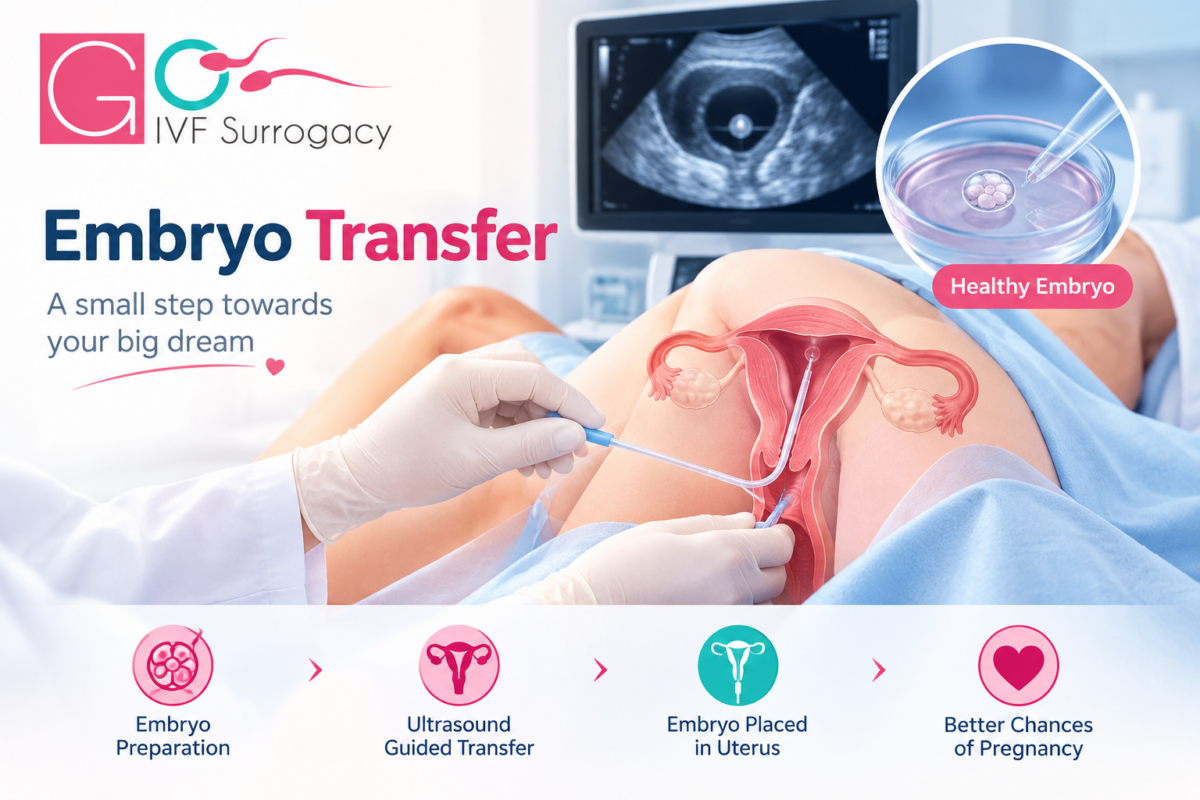
Step 6: Embryo Transfer
An embryo may be transferred into the uterus during either an frozen embryo transfer cycle. The choice depends on the plan.
The embryo transfer procedure is generally performed using a catheter.
Step 7: Pregnancy Test
A pregnancy test is performed after the interval following embryo transfer. The fertility team may provide instructions regarding medicines and follow‑up during this period.
Cost of IVF in Mumbai
patients ask, “What is the Cost of IVF in Mumbai?”
There is not one fixed Cost of IVF in Mumbai that fits every person. The Cost of IVF in Mumbai can change depending on the clinic the treatment plan, the medicines, lab work and extra services that are needed.
A simple IVF cycle might cost less, than an IVF cycle that uses ICSI, embryo freezing, donor eggs, genetic testing or other extra procedures.
What Factors Affect IVF Cost?
Many things can change IVF cost in Mumbai.
Icsi
Some couples go with IVF while others get ICSI depending on their medical situation.
Medicines
The drugs that stimulate egg growth can make up a part of IVF cost. How pills a patient needs can differ.
Embryo Freezing
Freezing embryos, for use adds extra lab fees and storage charges.
Genetic Testing
Sometimes doctors suggest testing embryos for problems. That can raise the IVF cost.
5 IVF Centre in Mumbai – How Should Patients Compare Them?
Many people look online for Top 5 IVF Centre in Mumbai Top 10 IVF Centre in Mumbai or Top IVF Centre in Mumbai when they need fertility treatment.. Rankings on the web may not give enough detail to decide which IVF Centre is best, for a particular patient. Every fertility story is unique so patients should compare IVF Centres by looking at the experience of the fertility specialist the treatments offered the IVF laboratory facilities, embryology skill, the treatment plan and how well the clinic cares for patients.
Factor
What Patients Should Check
IVF Specialist
Qualification, experience and fertility expertise
Embryologist
Experience with IVF laboratory procedures
Laboratory
Technology, quality systems and embryo culture facilities
Treatment Options
IVF, ICSI, IUI, freezing and other appropriate services
Transparency
Clear explanation of treatment and costs
Counseling
Communication and patient support
Location
Accessibility for appointments and follow-ups
Success Information
How the clinic presents and explains its outcomes
This approach can help patients make a more informed decision.
Best IVF , fertility Centre in Mumbai
Top IVF Doctors in Mumbai
patients who are starting fertility treatment search for Top IVF doctors in Mumbai or Best IVF doctors in Mumbai.
Finding Top IVF doctors in Mumbai is a step, for these patients.
However the best doctor depends on the patient’s individual fertility needs.
A doctor who is experienced in medicine should first examine the patient’s medical history and tests before recommending treatment.
Best IVF Centre in Navi Mumbai
Patients living outside Mumbai might look for the Best IVF Centre in Navi Mumbai because easy access can make repeated visits simpler.
IVF treatment often needs appointments, scans, consultations and lab work. Therefore a convenient location can be very important.
Patients, in Navi Mumbai can compare fertility centers based on:
Specialist availability
IVF laboratory facilities
Treatment options
Consultation process
Cost transparency
Embryology expertise
Follow‑up care
Accessibility
The nearest clinic is not always the clinic but a convenient location can make the treatment journey much easier.
IVF Success Rate, in Mumbai
IVF success rates are not a guaranteed percentage.
Outcomes can be affected by:
– age
– Egg quality
– Ovarian reserve
– Sperm quality
– Embryo quality
– Infertility diagnosis
A trusted fertility specialist should give realistic information about what treatment might achieve. The specialist will look at the patient’s age, fertility condition, medical history and other important details before giving a prognosis. Patients must be careful, about clinics that say they can guarantee a pregnancy because IVF results differ for each person.
Why Choose GO IVF SURROGACY?
GO IVF SURROGACY works to help people learn about options for fertility treatment and to get in touch with the reproductive health services.
People who are looking for Best IVF Center in Mumbai IVF Treatment Mumbai, Top IVF Centre in Mumbai or Best IVF doctors in Mumbai should pay attention to care that is right for them instead of just looking at online rankings.
Our aim is to give people details, about IVF treatment, fertility care, the cost of treatment and the things that need to be thought about before choosing a fertility center.
Frequently Asked Questions
1. Is IVF painful?
IVF can bring some discomfort from shots and egg collection. Most clinics use sedation or anesthesia when they collect eggs following their protocol.
2. How long does IVF treatment take?
An ordinary IVF schedule lasts weeks. It goes from stimulation to egg collection, to fertilization to embryo growth to embryo transfer and finally to pregnancy testing.
3. Can IVF guarantee pregnancy?
No IVF does not promise pregnancy or a live baby. Outcomes depend on age, quality of eggs and sperm how embryos develop and each person’s fertility situation.
4. Can patients have than one IVF cycle?
Yes some patients may have than one IVF cycle if their fertility specialist says so. The choice depends on each person’s treatment history and medical condition.
5. Is IVF for everyone?
IVF does not fit every patient. The best treatment depends on the fertility diagnosis, age, medical history, test results and earlier treatments.
IUI or Intrauterine Insemination is one of the simplest and minimally invasive ART methods that involve the transfer of sperms into the recipient’s uterus through the cervix. It is the first fertility treatment option that comes to the mind of the infertile couples before they go for more advanced ART techniques such as IVF. There are certain that you should consider before going for the IUI treatment such as your age, your current health condition, your previous medical records, etc. Out of all the factors, another most important factor is the cost of the IUI treatment and the fertility centre that offers affordable IUI treatment alongside maintaining the quality of the treatment.
The process of IUI is quite simple when contrasted with procedures of other fertility treatments such as IVF, ICSI, IMSI, etc. However, IUI aids in treating mild to moderate cases of infertility and the severe cases require more advanced methods of assisted reproduction. The direct insertion of sperms into the uterus substantially increases the chances of fertilization as the sperms bypass certain stages involved in the natural method of attaining conception. The purpose of IUI is to enhance the number of sperms that reaches and enters the egg, which also significantly increases the chances with which a woman achieves pregnancy.
The IUI cost in Delhi can differ from clinic to clinic. Factors that affect the cost include the doctor consultation, diagnostic tests, medicines, ovarian stimulation, sperm preparation and whether donor sperm is needed. Some clinics charge for the insemination procedure itself while others offer an IUI package that includes certain tests or medications.
GO IVF SURROGACY offers fertility consultation and advice for people thinking about IUI treatment in Delhi. A fertility specialist will look at your history and determine if IUI is suitable, for your specific case.
If you are looking for a fertility clinic that offers a reasonable IUI treatment cost in Delhi, then your quest is over. We are a famous medical travel agency in India that offers affordable fertility services worldwide. The fertility experts associated with us possess ample experience in implanting the best course of IUI treatment in Delhi. They make sure to offer desired outcomes to the patients and put collaborated efforts with our team at the network hospital for confirming the same.
Go IVF Surrogacy offers a supreme quality IUI treatment to the patients at a price that is not too heavy for their pockets. We have connections with world-class hospitals that offer the finest treatment experience to the patients in conjunction with the best facilities.
What does IUI treatment involve?
IUI, which stands for insemination is a fertility treatment that helps bring sperm closer to the egg. In this process sperm that has been prepared in a lab is placed directly into the uterus using a tube called a catheter. The main idea is to improve the chance that sperm will meet the egg during the woman’s fertile days.
The IUI procedure usually includes tracking ovulation getting the sperm ready and doing the insemination at the right time. For some people the treatment happens naturally during a cycle. For others fertility medicines are used to help the ovaries release eggs.
IUI might be an option for people dealing with unexplained infertility certain ovulation issues, mild problems, with the male partner’s sperm or when using donor sperm.. Whether IUI is right for someone depends on several things. These include the woman’s age, how eggs she has left (ovarian reserve) the condition of her fallopian tubes, sperm quality and overall health. Each person’s situation is different so the doctor will look at all these details before recommending treatment.
Natural IUI Cycle
The single cycle of IUI involves the direct placing of sperms into the woman’s uterus via the cervix. But before that, the sperms have to be obtained from the father or a sperm donor. The father has to visit the clinic for providing his semen sample from which the doctor separates the high-motility sperms from bad-quality sperms and uses them for insemination. This is a natural IUI cycle as it is performed by following the natural ovulation cycle of the woman and does not involve any fertility medicines for triggering ovulation.
IUI cycle with Clomid
The second type of IUI cycle is performed with the help of a fertility medicine called Clomid. This medicine is used to induce ovulation in women who due to many reasons do not ovulate properly. The use of Clomid enables the woman’s ovaries to produce the desired quantity of eggs that are required for promoting a healthy pregnancy.
IUI cycle with Gonadotropins
The third type of IUI treatment is with Gonadotropins, which is fertility medicine containing FSH (Follicle Stimulating Hormone) are given along with other fertility medicines when the medication does not work alone. This medication is given in a form of injection and once the surge in the LH hormone is noticed, the doctor begins the IUI treatment.
IUI cost in Delhi for a single cycle
The IUI treatment cost in Delhi depends on the type of IUI cycle the patients opt for, such as a natural IUI cycle, IUI with fertility medication, and IUI with gonadotropins injections. Regardless of the type, we offer a highly reasonable cost of IUI, which starts from INR 15,000 that also includes the cost of the different fertility medicines. This is the lowest cost you can get for a single IUI cycle in Delhi. We also have the highest success rates for IUI treatment in India, which is why patients from across the world choose our fertility services so that they can get success in their fertility treatment within an economical price range.
Go IVF Surrogacy is a prominent medical travel agency in India having top-notch fertility specialists that have a proven record of performing various fertility treatments with successive results. Our patients experience a stress-free treatment as our team members are there to assist them at each step of their fertility treatment. We make certain that our patients go home with a baby in their arms and get the tag of infertility removed from their life.
IUI Treatment Cost in Delhi
The IUI treatment cost in Delhi varies for each person. A simple IUI procedure can cost less, than IVF. The full amount depends on the services that are part of the treatment.
A typical IUI treatment cost estimate may include:
IUI Treatment Component
Approximate Cost Range
Fertility consultation
₹500–₹2,000+
Basic fertility tests
₹2,000–₹10,000+
Ultrasound/follicular monitoring
₹1,000–₹5,000+
IUI procedure
₹5,000–₹15,000+
Fertility medicines
₹1,000–₹10,000+
Sperm preparation
₹1,000–₹5,000+
Approximate total for one cycle
₹10,000–₹30,000+
These estimates are general. Are not a fixed quote. The real cost can change from one clinic to another. Depends on the medicines, tests, monitoring and the treatment plan that the fertility specialist decides. When you look at the IUI price, in Delhi it is important to ask exactly what is covered in the quoted price.
IUI Cost in Delhi: What Affects the Price?
I understand that many factors can change the IUI cost in Delhi. Even if two patients go to the clinic for IUI the total price may be different because each patient has a different treatment plan.
1. Consultation Charges
The first step is usually a fertility consultation. The doctor will talk about your history, previous pregnancy attempts, menstrual cycle, earlier fertility treatments and any test reports you have. In Delhi the IUI consultation may be billed separately from the IUI procedure.
2. Fertility Tests
Before IUI the doctor may suggest blood tests, ultrasound, ovarian reserve assessment, semen analysis or other checks. How what kinds of tests you need depends on your specific case. That is why the IUI cost in Delhi including medicines and tests can be more than the advertised price of the insemination procedure
3. Ovulation Medicines
Some patients will have IUI during a cycle while others need medicines to stimulate ovulation. The type and dose of medication can raise the cost of treatment.
4. Follicular Monitoring
Ultrasound monitoring may be used to check growth and decide the best time for insemination. The number of scans you need can vary.
5. Sperm Preparation
Before insemination the sperm sample is processed in a laboratory. This preparation concentrates the sperm for the IUI procedure.
6. Donor Sperm
If you use donor sperm there can be costs for arranging the donor and for laboratory work. Therefore the donor sperm IUI cost, in Delhi can differ from the cost of IUI using the male partners sperm.
Cost of One IUI Cycle in Delhi
The cost of one IUI cycle in Delhi changes depending on whether the cycle’s natural or stimulated and on the services that are included.
A natural‑cycle IUI may use medicines whereas a stimulated IUI cycle can use ovulation‑inducing medication and extra ultrasound checks.
When talking about the cost of one IUI cycle in Delhi, with a clinic ask if the package includes:
Doctor consultation
Ultrasound monitoring
Fertility medicines
Ovulation trigger injection
Semen preparation
IUI procedure
Follow‑up consultation
Pregnancy testing
Knowing what is included makes it easier to compare IUI cycle treatment plans.
IUI Cost in AIIMS Delhi
Many people look up IUI Cost in AIIMS Delhi to compare fertility treatment options in Delhi. AIIMS Delhi is a public hospital and the availability of treatment who can get it how to consult what tests are needed and the fees can be different from private fertility clinics.
Patients must ask the department at AIIMS Delhi for the most recent IUI Cost in AIIMS Delhi and how to book an appointment because the IUI Cost in AIIMS Delhi and services can change.
It is also important to look at the treatment journey not just the IUI Cost in AIIMS Delhi. The IUI Cost, in AIIMS Delhi can include consultation, tests, medicines, monitoring and lab services.
IUI Treatment Success Rate
The IUI treatment success rate is different for each person. It should not be seen as a number that applies to everyone.
Things that can affect IUI results include:
Female age
reserve
Ovulation
Fallopian tube health
Sperm quality
Length and reason for infertility
Endometriosis or other reproductive conditions
Number of mature follicles
Time of insemination
Previous fertility treatment
In general IUI works better for certain fertility problems. A fertility specialist can look at the couple. Talk about the chances based on their specific health issues.
People should be careful, about clinics or websites that say they can guarantee an IUI success rate. Fertility treatment results cannot be guaranteed.
IUI Price in Delhi: How to Compare Clinics
hen comparing the IUI price, in Delhi patients should ask the following questions:
Is the doctors consultation included?
Are ultrasound scans included?
Are fertility medicines included?
Is the ovulation trigger included?
Is sperm preparation included?
Is the IUI procedure included?
Are blood tests included?
Is the pregnancy test included?
Are additional procedures charged separately?
What happens if the cycle needs to be cancelled?
A low advertised price may not equal the cost if important services are left out.
IUI Consultation in Delhi
An IUI consultation in Delhi is an important first step before you start treatment. During the consultation the fertility specialist will look at reports and find possible reasons for infertility.
Reviewed information may include:
Menstrual history
Ovulation history
Previous pregnancies
Semen analysis
Hormonal tests
Ultrasound reports
Ovarian reserve
Previous fertility treatments
The doctor can then explain if IUI is a good option for you and what tests must be done.
IUI Appointment, in Delhi
Patients looking for an IUI appointment in Delhi can contact a fertility centre to discuss availability of IUI appointment consultation and planning for treatment.
It is useful to bring fertility reports, ultrasound scans, semen analysis reports and details of previous treatments to the IUI appointment consultation. Having these records available may help the fertility specialist understand the history more efficiently.
IUI Doctor Appointment Near Me
People often search for an IUI doctor appointment near me when they want fertility treatment to home or work. Choosing a clinic can make repeated monitoring visits more convenient especially because some IUI cycles require more, than one IUI doctor appointment or ultrasound scan.
However convenience should be considered alongside the doctors qualifications, fertility services, laboratory facilities, treatment transparency and patient support.
Why Choose GO IVF SURROGACY?
GO IVF SURROGACY offers help with fertility-related questions and advice for people looking at ways to have a baby, in Delhi.
The journey to get fertility treatment should start with a check-up by a doctor instead of just picking a treatment because of the price. A doctor can tell you what tests you might need, what the treatment will involve, how much it will cost and what choices you have.
People can talk about what they need and get help with IUI treatment tests for fertility and other ways to help with being able to have a baby.
F AQ.
What is the IUI cost in Delhi with medicines?
When you add medicines and tests the price in Delhi depends on the drugs you need and how monitoring scans or other tests you undergo. It is an idea to ask the fertility centre for a full cost estimate.
What is the cost of one IUI cycle in Delhi?
The cost of an IUI cycle in Delhi can change depending on whether the cycle is natural or stimulated and on what services you receive. A simple procedure will usually be cheaper than one that includes medicines and several monitoring scans.
Is IUI cheaper than IVF?
In cases IUI costs less per cycle than IVF. This is because IUI is a process and does not need egg retrieval or embryo culture. Still the best treatment choice depends on the cause of infertility.
What is the IUI treatment success rate?
The success rate of IUI depends on factors such, as age, sperm quality, ovulation, the fertility diagnosis, the health of the fallopian tubes and other elements. A specialist can give you a personal evaluation.
The study elaborates that if the couple who is married and planning to owe a child and trying to reproduce naturally through the natural reproductive means but can’t as after one year of regular unprotected intercourse the female partner in the couple is not able to conceive then in such a case the infertile couple should consult the specialists for the fertility treatment whether the treatment for IVF and any other treatment should be done by the fertility experts so as to remove the issues relative to infertility that may accrue the fertility to be upgraded in the life of the couple who are facing the issues of infertility.
Choosing the IVF specialist is one of the most important decisions couples make when beginning fertility treatment. IVF or in vitro fertilization is a method that helps people and couples who have different reasons for infertility. Many people search for an IVF specialist or doctor in Delhi so they can easily get consultations and treatment close, to home. Because every fertility case is different selecting a fertility doctor and a well-equipped IVF centre can make the treatment journey more organized, personalized and medically appropriate. Delhi and the National Capital Region have fertility centres and specialists offering treatments such, as IVF, IUI, ICSI, fertility preservation, donor programs and other reproductive medicine services. However the “best” doctor or centre can vary depending on the patients age, fertility diagnosis, ovarian reserve, sperm parameters, treatment history and treatment requirements.
Infertility can be caused badly in the life of the couple who are having the issues with the same and in order to remove the issues of infertility, one should consult the fertility experts for the treatment of infertility and brings fertility in the life of the couple who wants to have the child of their own.
Infertility can be caused due to the factors like:-
In case the couple has passed away their reproductive age as exceeding the age to reproduce then in such a case the couple may sometimes lead towards permanent infertility or may sometimes have the part of the infertility issues to be faced by the couple who are facing the issues of infertility since long or may have the time-bounded for the same.
It is merely seen that the female partner should naturally reproduce in between the age group of about 22 years to 35 years without any fertility treatments to be prescribed but in case the female partner exceeds the age group and is now in her mid or late 30’s or maybe in early 40’s then in some of the cases the female partner is not able to conceive through natural reproductive form and may take the help of the fertility experts to conceive in such a process to owe the child to complete the family of the infertile couples.
Merely only about 70% women in her late 30’s or early 40’s are able to conceive naturally with their first baby and rest can consult the fertility experts for the same to be held smoothly.
If the women are not able to conceive then in such a case the female should consult the fertility expert to conceive if the female is not taking the birth control pills and despite that she is not able to conceive as having incessant trying of conceiving and despite that the female is not able to get pregnant.
Here about 80% successful cases should be delivered as at our clinic in Go IVF Surrogacy that inseminates the best treatment of infertility in the form of IVF and other treatments of infertility as the fertility experts should recommend to the infertile couples.
What kind of issues one should face prior to knowing infertility?
In case the female partner finds it difficult to conceive due to the factors like:-
In case she is not having the regular or timely periods or may face the issues with the absence of a periodic cycle.
In case the female is having the issues of cancer treatment as with the chemotherapy or other relative issues.
In case the female is facing the issues of reproduction which are not disclosed.
In case the female is having the problems with the eggs as the quality and the quantity of the eggs are not fine which is helping the female partner in conceiving.
In case the female partner is facing the issues of miscarriages one after the other in one way or the other.
In case the female is having the problem of Pelvic Inflammatory Diseases particularly known as PID. So in such a case, the female finds difficulty in conceiving having the problem with the same.
In case the female is having the disease of thyroid so in such a case so she is not able to conceive.
The fertility experts should provide the treatment through medicines and injections but the female partner is not able to conceive then the fertility experts should consult the couple to opt for IVF treatment and through the treatment, the couple wants to owe their child and completes their family.
In case the male partner finds the issues before announcing infertility by the fertility experts through the tests and reports
Low sperm count issues as merely faced by many male partners from the infertile couples that ascertains the failure of pregnancy even after incessant trying through the regular intercourse.
Semen analysis of the male partner defines that the quality is not that much that is being helpful in making the female partner pregnant.
Infertility is being diagnosed that the fertility treatment is being prescribed by the consultant so as to accrue the proficiency within the matter of infertility to be removed from the root to the tip in a better-formulized way that accompanying the better fertility acquisitions.
Problems as being faced by the male partner through the ejaculation that is to be detriment within the same procedure to be completed there with the way formalized.
In case the tiredness is being felt by the male partner during and after the sexual intercourse of the male partner with the female partner.
In case the redness is being found near the testicles area.
In case the male having the feeling of swelling issues at the outer most part of the male reproductive organ.
What do specialists recommend couples regarding infertility treatments?
In the very first step of the infertility treatment, the specialists recommend the couples that the couples should first start up the treatment of infertility through the medications and the injections to make the female partner pregnant but in case the pregnancy is not achieved then the fertility expertsshould recommend the couple to get the treatment through IVF.
And if in case the couple fails to achieve success even though the IVF treatment than the couple should opt for IVF with ICSI in case the male partner is infertile and is not able to produce qualitative sperms and then release the qualitative as well as the quantitative sperms and have low mobility and less sperm count than the couple should opt for IVF with IUI treatment and in case all the fertility treatments are failed then the couple must go for IVF with Surrogate that is more helpful for the infertile couples to remove infertility and brings happiness with owing the child through fertility treatment.
IVF Specialist in Delhi: Why Experience Matters
Delhi is a health hub in India. It has fertility doctors and IVF centres. I have seen patients who look for an IVF specialist in Delhi. I recommend looking beyond online rankings.
Important factors include:
– Doctor’s education and training
– Experience in fertility medicine
– Experience with your particular fertility issue
– IVF lab facilities
– Good embryology team and lab standards
– Personal treatment plan
– Clear discussion about treatment and costs
– Good follow-up and support
– Other fertility options available
– Clinic’s location and how easy it is to get there
An IVF specialist, in Delhi who handles many hard infertility cases can be very helpful if you have tried treatments before and they did not work.
IVF Specialist Near Patel Nagar, New Delhi, Delhi
Patients who are looking for an IVF specialist near Patel Nagar, New Delhi Delhi usually want a fertility clinic that is easy to get to and also provides the reproductive services.
Patel Nagar and nearby places have fertility and healthcare facilities. For example fertility centres in Patel Nagar tell people about fertility specialists, infertility evaluation, IVF treatment and other related services.
The distance to the clinic should not be the only thing you look at. Patients must also check the IVF specialists qualifications, experience, how the IVF specialist treats patients the lab facilities and the whole treatment plan.
If you live in Patel Nagar, Karol Bagh, Rajendra Place, West Delhi, Central Delhi or close places you can search for an IVF specialist, near me. Then compare the IVF specialists you have chosen using these criteria.
IVF Specialist Near Me: What Should You Check?
Before booking an appointment, consider asking:
What are the doctors qualifications?
How years of experience does the doctor have?
Does the specialist handle my infertility condition?
What fertility tests are recommended?
Is IVF definitely necessary, in my case?
Are IUI or other treatments possible?
What is included in the IVF package?
What additional costs may occur?
Does the centre have an in‑house embryology laboratory?
How are embryos. Selected?
What follow-up care is provided?
Best IVF Doctor in Delhi How Should You Compare Doctors
People often search for IVF Doctor in Delhi but there is no single doctor who can be considered the best for every patient
A suitable IVF Doctor in Delhi should be selected according to the patients individual requirements
For example a young woman with ovulation problems may require a treatment strategy from a woman with low ovarian reserve Similarly a couple, with severe male factor infertility may require ICSI or sperm retrieval procedures
Instead of choosing a doctor solely because a website calls them the best patients should evaluate
Qualifications
Reproductive medicine training
Clinical experience
Treatment expertise
Communication
Availability of diagnostic services
Embryology support
Patient counselling
Cost transparency
Follow up care
IVF Treatment: How Does IVF Work Step, by Step?
You may wonder how IVF works. IVF generally involves stages.
1. Fertility Assessment
IVF process usually begins with an evaluation of both partners when appropriate. The doctor may examine reserve, sperm quality, hormone levels, uterine condition and other factors.
2. Ovarian Stimulation
IVF uses fertility medications that may be prescribed to stimulate ovaries to grow follicles. The response is monitored with ultrasound. When needed blood tests.
3. Egg Retrieval
When follicles reach a stage IVF retrieves eggs using a minimally invasive procedure.
4. Fertilization
IVF takes the retrieved eggs. Mixes them with sperm in a laboratory. In some cases IVF may recommend ICSI, where one sperm is injected directly into an egg.
5. Embryo Development
IVF watches the resulting embryos, in a laboratory. Some embryos may grow to the blastocyst stage.
6. Embryo Transfer
IVF may transfer an embryo into the uterus following the treatment plan.
7. Pregnancy Testing
IVF performs a pregnancy test after a waiting period following embryo transfer.
Best IVF Specialist in Noida
People who live in Noida and the surrounding areas might look for the Best IVF Specialist in Noida. Noida is part of the Delhi-NCR healthcare system and patients can choose from specialists in Noida, East Delhi, Ghaziabad, Greater Noida and other closeby places.
When looking for an IVF Specialist in Noida check for:
Fertility specialization
Experience
IVF laboratory quality
Embryology expertise
Fertility treatments available
Transparency in treatment
Patient counselling
Ease of access
expected treatment cost
Sometimes it makes sense to travel a little more to find an IVF Specialist, in Noida who has the right skills especially if the fertility problem is complex.
5 IVF Centers in India
The search phrase Top 5 IVF Centers in India is also widely used by patients who are willing to travel for fertility treatment.
India has established fertility centers across cities including Delhi, Mumbai, Bengaluru, Chennai, Hyderabad, Kolkata, Ahmedabad, Pune and others.
Than relying only on a “Top 5” list, compare centers based on:
Doctor experience
IVF laboratory facilities
Treatment options
Embryology team
Patient reviews
Transparency
Cost
Location
Follow-up arrangements
A center that is highly suitable for one patient may not necessarily be the right choice, for another.
Best IVF Centre in Delhi With Price
Many people also search for Best IVF Centre, in Delhi with price.
The cost of IVF can differ a lot, based on the clinic, medicines, tests, lab work, how many cycles and extra treatments.
The total cost may include:
Initial consultation
Fertility investigations
stimulation medicines
Ultrasound monitoring
Egg retrieval
Laboratory fertilization
Embryo culture
Embryo transfer
Cryopreservation
Frozen embryo transfer
ICSI, when recommended
Additional procedures or genetic testing when medically indicated
Patients need to ask for a written estimate and make sure to check if medicines, tests, embryo freezing, storage and extra procedures are part of the cost.
The cheapest IVF package is not always the choice and the most expensive clinic does not guarantee the best success.
Male Infertility treatment in Mumbaiwill now becoming a common issue where almost 33% of the males in our country are facing these kinds of issues regarding the same and can be cured accordingly by the team of experts at our clinic Go IVF Surrogacy where there are many experts treatment must be followed in that respect which can be procured by having the expert’s treatment to be followed in this respect so that in such a small amount of costing to be spent in that there must be huge returns in the form of best and excellent treatments at our Mumbai center for male infertility treatments.
Now you have to understand better that what must be the meaning of male infertility so we can say that male infertility means the inability in the male which restricts female to be conceived even after one year of continuous unprotected inter course.
If the female is not able to conceive so the female should check the cause of the same and try to find out the causes for the same and if it is to be finding in males so male should be treated for his inability or infertility to be entered into a stage for fertility.
What Is Male Infertility?
male infertility treatment in mumbai
Male infertility is a condition that makes it hard for a man to cause a pregnancy even when he has unprotected sex. Male infertility can arise from problems, with how sperm’re made how well sperm can move, hormone levels or other health issues. In some situations male infertility is caused by factors that exist in the man. In cases both partners may have issues that make it difficult to achieve pregnancy and male infertility is still part of the problem. Male infertility is a challenge that couples must address together.
Sperm issues are one of the things checked when looking into why a couple can’t get pregnant. These issues can include:
Low number of sperm
Sperm that don’t move well
Sperm that have shapes
No sperm at all which is called azoospermia
Problems making sperm
Hormone issues
Blockages in the tubes that carry sperm
A varicocele
Genetic problems
Trouble with getting or keeping an erection
Problems with ejaculating
Since many different things can cause infertility getting the right diagnosis is an important first step, before choosing any treatment.
How male Infertility can be caused? – The point to be discussed
The reasons why there must be male infertility:-
Less sperm count in the male’s body
Not producing qualitative sperms
Due to gestational disorders
Due to some hormonal changes
Facing testicular pains
Swelling is also an issue in this respect
Male infertility in Mumbai can be resolved through our center of Mumbai Go IVF Surrogacy can be same treated but can be differentiated on the basis of fees, locality, team of experts etc. which is the point of difference in that respect comparing with our centers and other centers.
Types of Infertility in Males
Male infertility can happen for reasons.
Male infertility depends on where the problem’s how male infertility changes a mans ability to father a child.
The main types include:
Hormonal Infertility
Testicular Infertility
Abnormal Sperms
Coital Disorder
Low sperm count
Abnormal Quality of sperms
Epididymis, seminal, vesticles, prostate
Can male infertility treatment be cured?
Male infertility treatment in Mumbai can be cured well with proper medications and precautions to be followed which is being guided by the doctors and experts at our clinic Go IVF Surrogacy. Male infertility can be cured well with proper treatments in the center. Also proper advice of the experts and doctors should be followed so as to remove this kind of disease from root to tip.
male infertility treatment in mumbai
When Should You Consult a Male Infertility Specialist in Mumbai?
Couples should talk to an infertility specialist in Mumbai when a pregnancy has not happened, even after regular unprotected sex. A visit might also be needed earlier if a man has had an injury, surgery on the reproductive organs, chemotherapy or radiation treatment, hormonal problems, sexual or ejaculation issues or known reproductive defects.
Men who have had a semen analysis before should think about getting a professional checkup instead of using supplements or treating themselves.
A male infertility specialist, in Mumbai may suggest taking a medical and reproductive history performing a physical exam doing a semen analysis, testing hormones conducting an ultrasound carrying out genetic testing or other studies, based on the specific case.
How Is Male Infertility Treated?
Many patients ask: how is male infertility treated? There is no treatment that works for every man. Male infertility treatment depends on what’s causing the fertility problem.
Common approaches may include:
1. Lifestyle and Medical Optimization
For some men improving health may be part of male infertility treatment. Depending on circumstances a doctor may discuss:
I keep body weight within a range.
I avoid tobacco products. Avoid recreational drugs.
I. Avoid heavy alcohol intake.
I get sleep and find healthy ways to manage stress.
Controlling medical conditions such as diabetes
Reviewing medications that may affect fertility
Avoiding unnecessary exposure to excessive heat around the testicles
Lifestyle changes should generally complement, not replace, medical evaluation when male infertility has been diagnosed.
Surgery
Certain structural conditions may benefit from surgery.
For example a varicocele, which is an enlargement of veins, around the testicle can sometimes be associated with sperm production. In patients surgical male infertility treatment may be considered.
Surgery can also be used in some cases where a physical blockage prevents sperm from entering the semen.
How to Choose the Best Male Infertility Doctor in Mumbai
When you search online for the Best Male Infertility Doctor in Mumbai you will see a lot of results. The Best Male Infertility Doctor in Mumbai that you choose should not be decided by bright ads or big promises. Look at experience check patient reviews and see how the Best Male Infertility Doctor, in Mumbai has helped others before making a decision.
Doctor
Designation / Location
Specialization / Profile
Dr. Neelam Bhise
IVF Specialist, Mumbai, India
Qualified fertility expert who has reportedly helped deliver more than 2,500 IVF babies and is sought after by couples seeking fertility treatment.
Dr. Neha Gupta
Senior Consultant & IVF Specialist, Delhi
Acclaimed infertility expert and laparoscopic surgeon who has helped many couples experiencing infertility pursue parenthood.
Dr. Gunjan Kacker
IVF Specialist, New Delhi
MD (Physician) – Moscow Medical Academy (MMAs) and D.G.O – Indian College of Maternal and Child Health (ICMCH).
Dr. Phani Madhuri V.
Infertility Specialist
Chief Consultant Reproductive Medicine and Medical Director at KIC Bengaluru. Experienced in infertility treatment, with a focus on surrogacy, repeated miscarriages, and implantation failures.
Dr. J. Kavya
Infertility Consultant Specialist, Chennai
Infertility consultant and fellow in reproductive medicine with 10 years of experience. She underwent training in Obstetrics and related reproductive medicine.
Dr. Shrutika Thakkar
Senior Consultant & IVF Specialist, Mumbai
Completed MBBS from Seth GSMC & KEMH, Mumbai, followed by postgraduate training in Obstetrics and Gynecology at JJ Hospital, Mumbai.
Dr. Snehal Dhobale Kohale
Consultant Fertility Specialist, Mumbai
Practicing in OBGY and Reproductive Medicine (Infertility) for around 10 years, with clinical and academic experience.
Female fertility specialist and consultant gynaecologist at Sai Kiran Hospital, Hyderabad, and visiting consultant at hospitals across India.
Dr. Yashodhara
IVF Specialist, Powai, Mumbai
Medical Director and Chief Fertility Specialist. Her personal experience with fertility challenges informs her empathetic approach to patients undergoing fertility treatment.
male infertility treatment in mumbai
Take the Next Step Toward Male Infertility Treatment in Mumbai
Male infertility can be stressful, but an abnormal semen analysis does not necessarily mean that parenthood is impossible. Modern fertility medicine offers several diagnostic and treatment options, ranging from medical management and surgery to IUI, IVF, ICSI, and selected sperm-retrieval procedures.
If you are searching for male infertility treatment in Mumbai, the most important step is to obtain an accurate diagnosis and understand the treatment options available for your specific condition.
GO IVF SURROGACY can be considered as a fertility-care option for couples seeking guidance regarding male-factor infertility and assisted reproductive treatment. A consultation can help determine which investigations are appropriate and whether medical treatment, surgical management, or assisted reproduction may be suitable.
The right treatment is not necessarily the most advanced treatment—it is the treatment that best matches the underlying cause, medical findings, and reproductive goals of the couple.
Fibroids Removal Surgery India: Treatment, Cost, Recovery, Side Effects & Best Hospitals
Uterine fibroids are -cancerous growths that form in or around the uterus. They are common in women who’re of reproductive age. These fibroids can lead to menstrual bleeding, pelvic pain, a feeling of pressure more frequent urination or trouble getting pregnant. Some fibroids do not need any treatment. However larger fibroids or those that cause symptoms may need care or surgery.
For women who want fibroids removal surgery in India India has gynecologists, experts in fertility, advanced tools for diagnosis and hospitals that offer different types of surgery based on the size, position and number of fibroids.
GO IVF SURROGACY helps patients learn about their treatment choices and connects them with the fertility doctors and gynecologists, in India
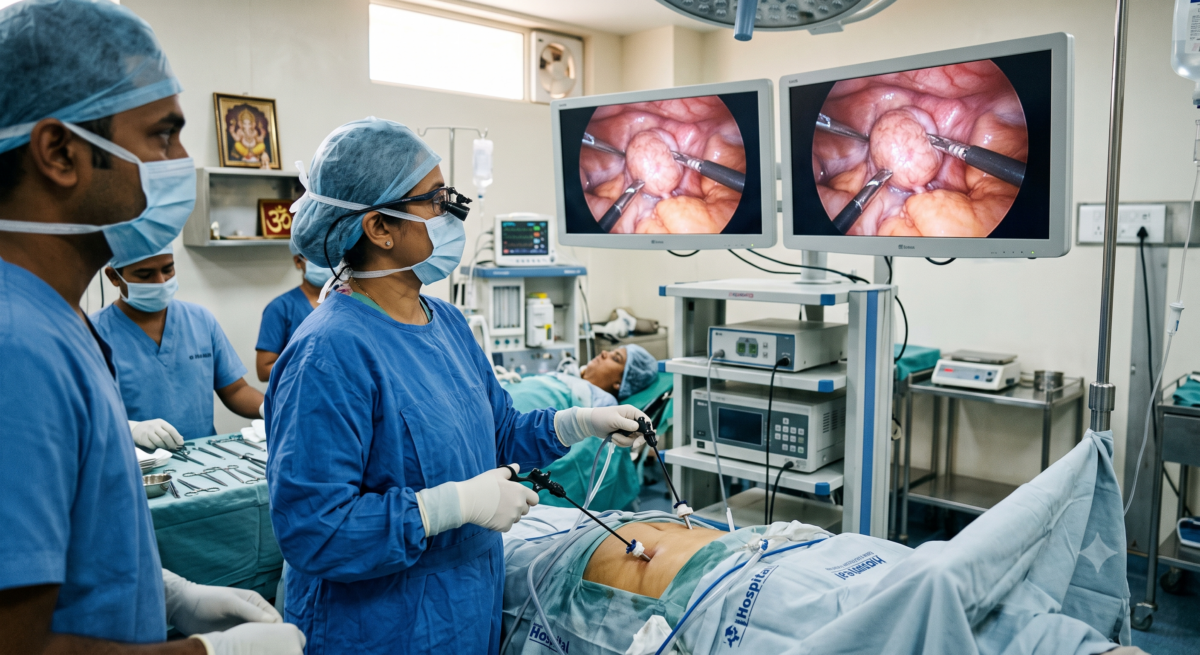
Fibroids removal surgery is relatively positively impacted over the patient as the patient is facing some difficulties relative with the treatment that is in the form of the removal of infertility relative factors that the facts and figures to be calculative as with the surgery to remove fibroids that is the fibroids must be removed and the fibroids surgery are also known as Myomectomy surgery in some of the cases by some of the fertility experts.
It is considered as a most reliable treatment procedure in order to remove the issues with the growth of the fibroids in the inner lining of the uterus and affects the reproductive organ of the female and also affects her fertility in the accused format.
Fibroids removal surgery can be sometimes causing severe pains in the particular area where the surgery is being done may be having some feeling of the swelling and the pain to be caused in such an aspect that is to be elaborative once the surgical procedure can be done or may be prior to the surgical procedure.
In case the experts should recommend the medications and the other treatments procedure despite the treatment to be done through the surgical procedure but relatively the procedure is to be done through the use of medications and injections may be somehow helpful in some of the cases or maybe somehow not be considered effective by the other patients.
In case the patient is facing the issues with a less or fewer number of fibroids than the fibroids can be removed even through the use of medications and the injections and no need for the surgery in such an aspect.
But in case the fibroids are large in number than the experts must prescribe the surgical procedure and the surgical procedure to be made much more effective in such a relative case.
Overall, it is seen by the fertility experts that the surgical procedure is to be considered as an effective method for removing the fibroids as fibroids must be removed from the root to the tip and not even a single fibroid is left behind and the chance to grow such kind of fibroids further should be minimized or we can say as eliminated in case the fibroids to be removed using the surgical procedure in such aspect.
In case the fibroids can be removed using the medications and injections than in such a case, there is a relative chance for the further growth of such kind of fibroids or may be the fibroids does not grow further but there is a possibility that it can be grown as the case in doubt (may be or may be not with the relative case factors).
With the best experts in considering the Fibroids Removal Surgery India, the patient may procure with the best output and the most successful result orientations to be attained while treating with such kind of considerations that brings out the most effective result scenario and the better procedure and the technique to be used with such kind of treatments to be done in an effective formulations that gives the most widening results in the future too in order to remove infertility relative factors also in such an aspect to be promptly done with better completion relative with such kind of procedure.
What Are Uterine Fibroids?
Uterine fibroids, also known as leiomyomas or myomas are lumps that grow from the muscle tissue inside the uterus. Uterine fibroids can be very small. May not cause any noticeable problem. I have seen women who do not notice any problem with small uterine fibroids. Some uterine fibroids grow larger. Can change the shape and normal work of the uterus.
Uterine fibroids may appear inside the part of the uterus in the thick muscle wall or on the outer skin of the uterus. The place where uterine fibroids grow is important because it can change the symptoms a woman feels her chance to have a baby and which treatment is best. I have also seen cases where the location of fibroids made treatment choices different.
Common symptoms include:
– Heavy or prolonged menstrual periods
– Pelvic pain or pressure
– Pain during sexual intercourse
– Lower pain
– Frequent urination
– Constipation or abdominal pressure
– Abdominal enlargement
– Difficulty conceiving
– Recurrent pregnancy problems, in some cases
Not every woman who has uterine fibroids needs a surgical operation. A doctor usually thinks about surgery when uterine fibroids make a woman feel a lot of pain when the fibroids stop her from having a baby when the fibroids grow a lot or when the fibroids make a pregnancy difficult. I know that surgery can feel scary. It is only chosen when necessary.
When is fibroid removal surgery recommended?
The choice to remove a fibroid is based on things. A gynecologist might suggest surgery if medicines. Just watching the fibroid do not help enough.
Surgery could be an option when:
Fibroids lead to ongoing bleeding.
Pelvic pain or pressure makes it hard to do tasks.
A fibroid is quite big.
Fibroids change the shape of the cavity.
Fibroids might be affecting the ability to get pregnant.
Fibroids are linked to repeated problems during pregnancy.
The fibroids keep growing. Keep causing symptoms.
Women who want to keep their fertility may have surgery choices, than women who no longer plan to have children. So fertility goals must be talked about before deciding on any procedure.
In what ways an individual find prompt Fibroids Removal Surgery clinic in Delhi?
There are numerous ways so as to find out the most desirable Fibroids Removal Surgery clinic in Delhi in order to attain the successful and the guaranteed results for the removal of fibroids so as to ascertain the most effective procedure that is helpful in obtaining the preferable results through Go IVF Surrogacy that brings the platform in successful completion of the surgical procedure of fibroids to be removed in the relative aspect –
Experts will lead a vital role so as to make the treatment an effective treatment in all the aspect to be evaluated within the surgical procedure to be done in an effective way.
Costs of the surgical procedure are another point of concern that means the low cost should be on top most priority for the patient while doing the surgical procedure and that is to be resolved within our clinic.
The clinic that is helpful in delivering the desired results that is needed by the patient after the surgery.
Where there are the highest successful cases for such kind of surgical treatments procedure.
The clinic where the experts are experienced enough that is more than 30+ years of experience in delivering the successful results that the fibroids are not grown otherwise in the mere future.
More than 6 cases should be solved each day whether, through medications, surgical method or through injections should be concerned by the patient who is looking for such an aspect.
All the above factors should be available at our clinic for the patients who are planning in order to remove infertility relative factors and are deeply concerned with the fibroids removal surgery treatment or the treatment through medications to be relatively done in the most processed assertions so to deliver the most effective results.
How to seek Fibroid Removal Surgery Clinic in Mumbai?
In order to locate the best Fibroid Surgery clinic in Mumbai, an individual patient should be aware of the branch of Go IVF Surrogacy which is also located in the state of Mumbai within the country India where most of the couples are deeply widening their dreams to remove infertility through the surgical procedure.
As in case the female partner may have the issues with the fibroids to be present or grown at the reproductive part of the female partner and is grown at a wider pace that is to be removed only through the procedure of surgery to be follow up and for the successful results to be obtained in such a relative aspect one should consult the fertility experts for the same and must follow the instructions to be prescribed by the fertility experts who will lead an important role in the removal of infertility through the process with the hope that it won’t be repeated in the near future.
Within our clinic in Mumbai we provide a guaranteed treatment package and also the installments facility is being provided at our clinic and also the patients are availing such kind of treatment within the minimal amount that one can invest with an ease without facing any kind of difficulty in the relative procedure to be completed and in order to attain maximum successful results through such procedure.
Best Hospital for Fibroid Surgery in India
Choosing the Hospital for Fibroid Surgery in India requires more than just looking at Hospital names. I think patients should think about the experience of the surgeon the availability of minimally invasive Fibroid Surgery, diagnostic facilities, anesthesia and emergency support, postoperative care and fertility-preservation expertise when relevant.
A good Hospital must evaluate the fibroid before recommending Fibroid Surgery.
Important factors to consider include:
– Hospital with gynecologists and gynecologic surgeons
– Hospital with advanced ultrasound and imaging facilities
– Hospital with laparoscopic and hysteroscopic Fibroid Surgery availability
– Hospital with fertility-preservation expertise
– Hospital with experienced anesthesia and surgical teams
– Hospital with postoperative monitoring
– Hospital with clear communication about treatment and costs
GO IVF SURROGACY can help patients understand what questions to ask when comparing Hospitals and doctors for Fibroid Surgery, in India.
Which Fibroid Surgery Is Right for You?
Deciding which fibroid removal surgery is best for you needs a medical check-up. Your doctor will think about:
size and number
Location of the fibroids
Heavy menstrual bleeding or pelvic pain
Pressure on the bladder or bowel
Anemia that comes from too much bleeding
Age and overall health
Earlier surgeries in the abdomen or pelvis
Wish to have children in the future
If the fibroids are making it hard to get pregnant
Results from ultrasound, MRI or other tests
For women who want to have children myomectomy might be a choice if it is safe. Women who do not need to have more children might have choices, like hysterectomy. The best advice should always come from a trained gynecologist or gynecologic surgeon after a check-up.
Fibroid Surgery in India
India has ways to treat uterine fibroids, including less invasive and traditional methods. The choice of hospital and doctor can matter a lot especially if the fibroids are big, near important parts of the uterus.
At GO IVF SURROGACY patients can get help to learn about fibroid treatment options and find out which surgery might be best based on their health and plans for having children. Seeing a doctor is the best way to know if surgery is needed and which method can give the best result.
Endometriosis Treatment: Medicines, Non-Surgical Options, Fertility Care and Cost
It’s not at all Okay to avoid severe pain that occurs during the menstrual cycle. If you are missing, your work or any other activities just because of that pain then it’s the time to meet your general practitioner who can refer you to a veteran Gynaecologist for further medication.
Some of the techniques such as a healthy lifestyle, hormonal therapy, pain-relief medication, surgeries like laparoscopy, hysterectomy etc help to manage and treat endometriosis condition. The exact treatment will depend on the female’s case of her endometriosis symptom.
The way to treat endometriosis depends on a woman’s symptoms, her age, how bad the disease is, her goals for having children and whether endometriosis has affected the ovaries the fallopian tubes, the bowel, the bladder or other parts of the pelvis. Endometriosisis a condition where tissue that looks like the lining of the uterus grows outside the uterus. This can lead to periods ongoing pain in the pelvis, pain during sex, heavy bleeding, problems with the bowel or bladder and trouble getting pregnant.
Treating endometriosis does not always mean having surgery. Many women can handle their symptoms with medicine treatments that use hormones ways to manage pain changes, in lifestyle or treatments that focus on helping with fertility. In some situations surgery might be needed, especially if the symptoms are very bad or if endometriosis is affecting fertility or the organs.
What Is Endometriosis
Endometriosis happens when tissue that is like the inside of the uterus grows in places such as the ovaries, the tubes that carry eggs from the ovaries the lining of the pelvis the intestines or the bladder. These areas of tissue can react to the changes in hormones during the cycle causing swelling, pain, scarring and parts of the body sticking together.
The amount of pain a woman feels does not always match how bad the disease is. Some women who have a lot of endometriosis may have a little pain while others who have only a small amount of the disease may feel a lot of pain.
Diagnosis and treatment must be tailored to the individual by a trained gynecologist or a specialist, in getting pregnant.
Endometriosis and its Symptoms –
Endometriosis is a disorder that often causes pain during the female’s menstrual cycle. This is the case when the inner lining of the uterus (endometrium) grows outside of the uterus. This disorder generally involves in female’s ovaries, fallopian tubes, may spread beyond the pelvic organ too, the tissue lining the pelvis etc. One of the primary symptoms of endometriosis disorder is women’s pelvic pain, severe pain during menstruation.
Symptoms of Endometriosis disorder –
Pain during sexual intercourse
Female factor Infertility also occurs due to Endometriosis
Pain during urination
Pain with bowel movement
Female may experience heavy bleeding in her endometriosis disorder (during her periods)
Female starts to suffer with pelvic pain and cramping before her periods begin and it goes after few days of your menstruation.
The woman may also have some other symptoms like constipation, nausea, fatigue etc. especially during her menses duration.
To diagnose the Endometriosis there are some tests, which are generally performed by the Gynaecologist. Go IVF Surrogacy is an expert in diagnosing the endometriosis symptoms and also knows how to treat this disorder in the best way.
Some of the tests to diagnose that the female is experiencing with endometriosis disorder are –
Ultrasound
Pelvic exam
Through Magnetic Resonance Imaging (MRI)
By the surgical technique referred as Laparoscopy, Hysterectomy etc.
Endometriosis treatment without surgery is a concern among many women. In some cases symptoms can be managed without intervention.
Non-surgical options may include:
Pain-relieving medicines
Hormonal therapy
Heat therapy for cramps
Individualized physical activity
Pelvic-floor physiotherapy when needed
Sleep and stress-management strategies
Dietary changes based on individual tolerance
Regular follow-up with a gynecologist
These methods can help control symptoms but they do not remove endometriosis lesions.
If symptoms do not improve with treatment or if there are concerns, about infertility ovarian endometriomas or organ involvement a specialist may recommend further evaluation.
Endometriosis treatment –
Medication of Endometriosis usually involves surgery or treatment like pain medication, hormonal therapy etc. The exact treatment of this disorder depends upon the case of your symptom. Some natural managing techniques are also there that is said to be effective during this case, which includes- a healthy lifestyle.
Sleep- is one of the important factors that help the immune system function at its best level, so it is recommendable to have enough quality sleep. Try to reduce the intake of caffeine and alcohol, not to take heavy meals late at night, schedule a proper plan for going to bed and waking.
Let’s read some treatments that are use to solve endometriosis issue –
Pain relief Medication –
Pain relievers such as NSAIDs (no steroidal anti-inflammatory drugs), naproxen sodium (Aleve, etc.)- These are some of the pain relief medication that helps to ease painful menstrual cramps.
Hormone Therapy –
This therapy’s main aim is to make reduce the pain and also the severity of endometriosis disorder by
To stop the heavy bleeding during female’s menstruation cycle
And to suppress the growth of the endometrium cells
These are some therapies, which included in this treatment –
Progestin therapy –
This hormonal therapy provides pain relief of almost 70-80% of women with endometriosis issue. It also suppresses the development of endometrial tissue.
Gn-RH ( Gonadotropin releasing hormone agonists and antagonists ) –
These are that drugs, which causes the uterine inner lining (i.e. endometrial tissue) to shrink. These drugs, when taken by the female patient create artificial menopause. The female’s ability to become pregnant and conceive will come back one she stops taking this hormonal therapy.
Hormonal contraceptive or oral contraceptive pills –
Birth control pills and vaginal rings control the growth of endometrial tissue. OCP (oral contraceptive pills) reduces the female’s menstrual cycle; it is fruitful in suppressing the endometriosis issue. The female should completely avoid OCP or any birth contraceptive pills when she is above 35 and is in the risk factor for heart disease, or she is facing with high blood pressure, is suffering from liver disease, have recent breast cancer etc.
By Laparoscopy Surgery –
Laparoscopy surgery is the keyhole surgery that involves a thin telescope with a light attached. This is a surgical method that operates to reduce symptoms and improve female fertility (by eliminating cysts, endometriotic patches, adhesions by cutting them out etc. It also surgically repairs the damaged organ of the female. Laparoscopy put an end to large cysts and endometriomas.
These are some of the widely accepted medications to treat endometriosis to get rid of this disorder. So, any female, who are suffering from the endometriosis symptoms must consult with the best and veteran gynecologist to look into this matter as soon as possible.
Male infertility is a common reproductive health concern, but it is still surrounded by myths, embarrassment, and misinformation. Many couples assume that difficulty conceiving is mainly related to the woman, but male factors can contribute significantly to infertility. Understanding the myths and facts about male infertility can help couples seek appropriate medical advice without unnecessary delay.
Infertility is generally considered when a couple has regular unprotected intercourse for around 12 months without achieving pregnancy. However, evaluation may be recommended sooner when there are known reproductive concerns, previous testicular problems, sexual difficulties, or other risk factors.
If you are wondering how is male infertility diagnosed, what tests check male fertility, or what may be causing a low sperm count, this guide explains the basics in simple language.
From male member’s low sperm counts to smoking makes a man impotent, the topic of male infertility is rife with myths and half-truths.
There are treatments available to treat male infertility, however, first it is important to break the certain myths related to male infertility and these are as follows:
Myth: The biggest myth about infertility is that infertility is a problem of females only.
Fact: This is not true. According to the modern study, it has been found that 40% of cases of infertility are lie with the male member. We do see so many cases where thousands of tests to identify infertility in females are done but not a single semen analysis is done for the male partner.
Myth: Usually, people think that stress is one of the major causes of infertility.
Fact: False. Actually, stress only affects one’s sex drive but it will not affect the quality and the quantity of the semen and thus it will not lead to infertility. So, if the sexual relations between a man and a woman are ok and a woman still is not able to conceive, then both the partners need to meet the doctor.
Myth: If a man keeps his testicles cold that will enhance semen quality.
Fact: Again this statement is not true. Cooling testicles by ice is not only dangerous but ineffective too. However, men also need to avoid wearing tight undergarments, and prolonged driving because it raises the scrotal temperature and will affect the quality of sperm. Also, the men need to avoid the heat and radiation from the prolonged use of a laptop on their lap and frequent use of hot tubs is not good for sperms and it has been found that it will decrease the sperm counts.
Myth: Men of old age have infertility problems.
Fact: No, even young men can also have severe infertility problems such as the absence of sperms or very low sperm counts, poor quality of sperms etc. can be encountered to men at the age 20 years as well.
Myth: Does smoking and drinking alcohol can cause infertility in men?
Fact: Yes, this statement is true. Quitting smoking and drinking alcohol in moderation is beneficial as both affect the quality of men sperms.
Myth: Weight does not affect male fertility.
Fact: This statement is not true. Men with an optimal body mass index (BMI) which is of 20 to 25 tend to have better and normal sperm production. Men who are overweight or underweight need to manage their body weight according to their body mass index (BMI) to avoid male infertility issues.
Myth: Excessive cycling affects male fertility or sperm count
Fact: Not true as cycling does not affect men’s sperm count. However, there may be other problems occur due to cycling which could be related to erections.
Myth: Having regular intercourse may enhance fertility.
Fact: Not true as it may decrease the chances of conception because the life of women eggs are only 24 hours long, having regular intercourse will only help during the woman’s fertile period.
What to do About Male Infertility?
You need not to worry as the Go IVF Surrogacy has various male infertility treatment options. Depending on your case, you may decide to take medication, explore fertilization options, or consider an egg donor. The following are some common procedures and these are:
a) IVF with ICSI: ICSI is considered to be one of the best male infertility treatments for a person who is undergoing for an IVF. ICSI is a procedure which will boost the IVF success rates and the study says that 75% of the women under age of 35 years who had undergone for the IVF with ICSI procedure have achieved the successful pregnancies. This treatment has bypassed many male infertility problems such as low sperm count, poor quality of sperms, blockage or irreversible vasectomy.
b) Hormone treatment: Your fertility expert will prescribe some fertility drug treatment which helps to correct your hormonal imbalances and also improve the health of your sperm. Clomid is one of the most common drugs which men need to take a pill per day for about three to six months.
Clomid is a powerful drug which helps men pituitary gland to produce luteinizing hormone (LH) and follicle-stimulating hormone (FSH), which communicate with their testicles to produce good quality of sperm.
c) Testicular biopsy, TESA, MESA: With the advancement in medical science men who have few or no sperm in his ejaculate can create genetically-related children. During the IVF with ICSI procedure, your fertility expert will inject a single sperm directly into the women egg to make conception successful; however, if the fertility expert is unable to obtain the sperm from men ejaculate, then they can be surgically withdrawn from the testicle (TESA) or extracted directly from the epididymis (MESA) to make the conception happened.
d) Surgery: When all the other non-surgical procedures are failed to provide a successful outcome then surgery is the only option left to treat the male infertility condition. Surgery can remove the barriers to pregnancy. Following are some examples:
Your fertility expert will remove a varicocele which can reduce sperm count and can decrease sperm quantity.
By performing surgery blocked fallopian tubes will be clear which affecting the pregnancy.
Surgery can remove uterine abnormalities such as polyps and fibroids.
With the help of surgery, the scar tissues will be removed due to which pelvic inflammatory disease (PID) and other inflammatory conditions occur.
male infertility treatment in india
Why Choose Go IVF Surrogacy for male Infertility Treatments?
The people from across the globe choose Go IVF Surrogacy because here they get the best male infertility treatment with reasonable cost and also achieve the highest rates of successful conceptions. This is a center where you will get the highly skilled and trained professionals who support you 24*7 and will inform you about your treatment on each stage so that you can take good care of yours and also follow the healthy diet which allows you to fulfill your dream of having an own baby.
What Causes Infertility in Men?
There are many possible causes of male infertility, and sometimes more than one factor is involved.
Common causes include:
Low sperm production
Poor sperm motility
Abnormal sperm morphology
Varicocele
Hormonal disorders
Testicular injury or infection
Certain genetic conditions
Problems with sperm transport
Ejaculation disorders
Erectile dysfunction
Previous reproductive surgery
Certain medications or medical treatments
Smoking and excessive alcohol consumption
Obesity and poor metabolic health
Excessive heat exposure to the testicles
Some environmental or occupational exposures
In some cases, doctors may not identify one specific cause even after evaluation. This is sometimes referred to as unexplained or idiopathic male infertility.
Male Infertility Symptoms: What Should You Look For?
One of the most important things to understand about male infertility symptoms is that there may be no noticeable symptoms at all.
Possible signs can include:
Difficulty achieving pregnancy with a partner
Problems with erection
Difficulty ejaculating
Reduced sexual desire
Pain or swelling around the testicles
A lump or enlarged veins in the scrotum
Smaller-than-usual testicles
Recurrent reproductive or genital infections
Changes associated with hormonal disorders
Having one of these symptoms does not automatically mean infertility. A medical evaluation is necessary to identify the actual cause.
How Is Male Infertility Diagnosed?
IVF single woman in India
A common question is, how is male infertility diagnosed?
Diagnosis usually starts with a detailed medical and reproductive history followed by a physical examination. A fertility specialist may ask about previous illnesses, surgeries, medications, lifestyle habits, sexual function, previous pregnancies, and reproductive history.
The doctor may then recommend semen analysis and other tests depending on the findings.
What Tests Check Male Fertility?
The answer to what tests check male fertility depends on the individual. Not every man requires every available test.
Common investigations may include:
Semen analysis
Hormonal blood tests
Physical examination
Scrotal ultrasound
Genetic testing in selected cases
Urine or other tests when clinically indicated
Specialized sperm testing in selected situations
The purpose of testing is not simply to obtain one number. Doctors assess several factors together to understand sperm production and reproductive function.
Male Infertility Blood Test and Semen Analysis
A male infertility blood test and semen analysis can provide complementary information.
Semen Analysis
Semen analysis is one of the most important initial tests for evaluating male fertility. It examines semen and provides information about sperm concentration, movement, and morphology, among other characteristics.
Frequently Asked Questions About Male Infertility
How is male infertility diagnosed?
Male infertility is generally evaluated through medical history, physical examination, semen analysis, and additional tests such as hormone blood tests or imaging when required.
What tests check male fertility?
Semen analysis is usually an important initial test. Depending on the findings, doctors may recommend hormonal blood tests, ultrasound, genetic testing, or other investigations.
Can low sperm count be treated?
The treatment depends on the underlying cause. Some causes can be treated medically or surgically, while assisted reproductive techniques may be considered when appropriate.
Factors Affecting Fertility and Causes of Infertility
There are basically many factors that are most prominently affecting the fertility and lead the fertility towards infertility. The numerous factors that accelerate the treatment in accomplishing the infertility factors as mere about 15% to 20% couples are facing the issues of infertility and in order to remove them infertility relative factors one should have to consult the fertility experts for getting the treatment to be done for those infertile couples who are having the need to complete their own family with the fertility treatment in the form of IVF and having the child belongs to the couple that is only a possibility as created by the treatment of IVF.
Infertility is a common reproductive health concern that can affect both men and women. It may occur because of problems with ovulation, egg or sperm quality, reproductive organs, hormones, infections, age, lifestyle, or other medical conditions. In some couples, routine fertility tests may not identify a specific cause, which is known as unexplained infertility.
Understanding the factors that can affect fertility is an important first step toward timely evaluation and appropriate treatment.
What Is Infertility?
Infertility generally refers to the inability to achieve pregnancy after 12 months or more of regular, unprotected sexual intercourse. Fertility can be affected by factors involving either partner, both partners, or sometimes by causes that cannot be identified through standard testing.
According to the World Health Organization (WHO), infertility affects approximately 1 in 6 people of reproductive age worldwide. It can have physical, emotional and social effects, but many causes of infertility can be evaluated and treated.
Factors that are favorable in increasing the infertility are:-
Age of both the partners of the couple whether (the female partner and the male partner of the couple).
Tobacco intake by the infertile couples (whether the male partner or the female partner) or may be the case where both are indulged in such acts of taking the tobacco on regular basis.
Alcohol consumption is also playing an important role in increasing the factors relative to infertility.
Street drugs consumption like cocaine and marijuana.
Low sperm count or the motility of the sperms in the male partner of the couple that affects one’s fertility and leads infertility in the body of males.
Quality and quantity of the eggs in the female partner of the couple that affects one’s fertility and leads infertility in the human body.
Favorable symptoms present in the human body that defines infertility
The most identified symptoms that define the infertility issues within the couple’s in arousing the fertility in the human body. The one most diagnosed symptom is an unprotected intercourse of more then a year if the couple is facing such kind of issues then the matter should be consulted by the couple to the fertility experts in order to resolve the issues relative to infertility.
Symptoms that are common in both male and female are:-
Hormonal changes that are rapid with the age of the couple (whether the male or the female).
Hair loss in case the couple is treating with the chemotherapy in case of the cancer treatment.
Differential forms of infertility in the female are:-
Damage found inside the fallopian tubes.
Blocked fallopian tubes.
Blocked fallopian tubes.
Eggs are not of fine quality.
Feeling of restlessness.
Menstruation cycle are not timely may be before or after the described date of the menstrual cycle.
In case the female is facing the issues of regular miscarriages.
Cancer treatments in case the female partner is having the treatments with chemotherapy and having the medicines with the cancerous diseases.
Unexplained Infertility
Sometimes fertility testing does not identify a clear reason why pregnancy has not occurred. This is often referred to as unexplained infertility.
A standard fertility evaluation may include assessment of ovulation, ovarian function, fallopian tubes and semen parameters. When these assessments do not identify an obvious problem, a fertility specialist may discuss treatment options based on the couple’s age, medical history and duration of infertility.
Forms of infertility in the male partner:-
Male partner who is indulged in the treatment of cancer and having the treatment with chemotherapy and other relative treatments including the medicines and other treatments.
Semen analysis of the male partner in order to diagnose infertility related issues.
Quality of the sperms in case the sperms are not of the fine quality which is required to make the female pregnant.
Quantity of the sperms is not up to the mark as required in the female pregnancy.
Low sperm count and the feeling of swelling in the lower part of the testicles and also the redness found in the testicular part of the male reproductive organs.
In case the male partner is having the treatment because of sexual problems which are not disclosed by the male partner.
How incessant trying turns infertility into fertility with best success rate?
Success rate should be in upward direction that may increase the chances of the fertility and the treatment may become successful for bending the infertility towards fertility and with having the fertility treatment with Go IVF Surrogacy that is having more and more successful ratios to be determined with the fertility. The success should be determined with the effective infertility to be removed in an effective form that accuses the treatment to be predetermined by most of the infertile couples that are facing the issues with the same and wants to get the success over the infertility through the IVF treatment with the guarantee to owe the child soon.
The fertility success rate should be determined according to the different states within the country India, where Delhi is the leader among fertility relative issues and having the highest success rate all over the metropolitan state of the country India having the success rate of about 88% as fairly known by many infertile couples.
Mumbai is the second leading state that provides the best success rate of the country India where the the success rate is merely about 84% which is really a good success rate for infertility removal in the whole country and also the state of Ahmadabad is the least among all the states of the country India with having the success rate of merely about 70% on an average.
Treatment Options for Infertility
Infertility treatment depends on its underlying cause, age, medical history and individual circumstances.
Possible treatment approaches include:
Lifestyle and medical management
Ovulation-inducing medicines
Treatment for underlying hormonal conditions
Surgery for selected conditions
Intrauterine insemination (IUI)
In vitro fertilization (IVF)
Intracytoplasmic sperm injection (ICSI)
Donor egg or sperm treatment when appropriate
Fertility preservation in selected situations
Not every couple needs IVF or advanced fertility treatment. A fertility specialist can recommend the most appropriate option after evaluation.
How to avoid the issues of Infertility?
The issues of infertility can be removed according to the factors that are playing the vital role for the removal of the issues of infertility from the life of the infertile couples who are facing the bare issues of infertility.
How does male partner prevent causes of infertility?
Consuming the drugs should be avoided by the male in case the male partner is getting rid of the infertility issues.
Avoiding the high temperatures in the environment as recommended by the experts because it is highly impacting the motility of the sperms.
Avoiding the medicines that may cause infertility in the male’s body.
Regular exercise is also the cause for infertility to be seen by the experts as mere about 15% males are facing the issues of infertility because of the same.
How does female partner prevent causes of infertility?
In case the female partner is habitual of smoking than in such a case, the female should quit the smoking habit so as to raise the level of fertility and decrease infertility from the female’s body.
Not to intake excess of street drugs like the drugs of cocaine and marijuana.
Quit the consumption of alcohol in case the female is alcoholic.
In case the female is overweight or underweight so in that case, also the female is not able to conceive or may face regular miscarriages whenever she is thinking to conceive.
Exercise on a regular basis should lead the female partner not to conceive soon as required or as in the case of the fertile female partner of another couple.
Under the pre-Conception and Prenatal Diagnostic Techniques (PCPNDT) Act, 1994, prenatal sex determination is banned in India. No test or treatment for sex selection, sex determination, gender selection, gender determination is done in India.
Ask to Expert
Ms. Priyanka (Coordinator) India: +91 9899293903 India - New Delhi, Mumbai, Chennai Kolkata, Bangalore, Hyderabad Nepal, Georgia, Kazakhstan, Dubai, Ghana, Kenya, Thailand Mail Us: possible@ivfsurrogacy.in
With over 19 years experience and over 10,000+ successful live births through IVF, we are dedicated to hand out best fertility treatment and personalized nursing to accomplish couple’s parenthood soon.
Our Rating
Our Patients Rated us on Google 4.7 out of 5 Based on 395 Vot