
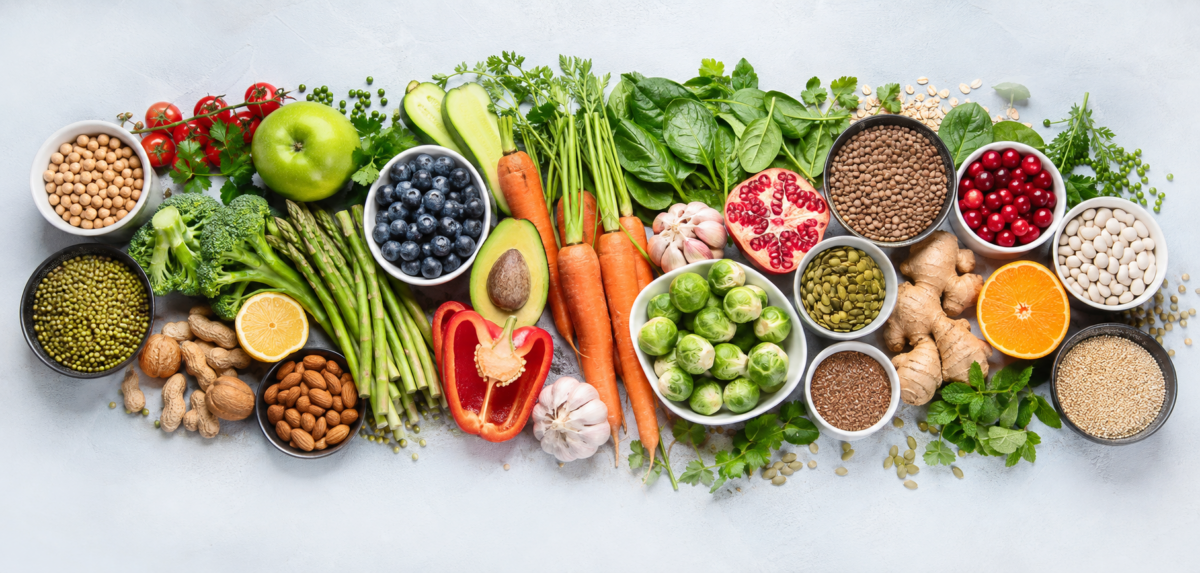
After embryo transfer diet chart plan
Embryo transfer is the last step of the in vitro fertilization process. In vitro fertilization is a process with several stages, and embryo transfer is the final stage. In this stage, the embryo is formed after the Successful interaction of retrieved eggs with sperm in a laboratory. The newly formed embryo takes about three to five days until it reaches a viable stage, meaning strong enough to be transferred to the actual uterus. When you prepare for this stage, following an after embryo transfer diet chart plan can help support your body.
When the actual Embryo Forms, it is not created in the uterus, but in the laboratory, and then it is taken and placed in the incubator, which is the machine which acts which acts as an artificial womb.
Let’s understand how the embryo transfer process in IVF is actually done. A doctor uses a very thin, flexible tube called a catheter, which passes through the cervix. Then the chosen embryo- by chosen embryo, we mean the strongest of the embryos- is gently deposited directly into the lining of the uterus.
This lining of the uterus is called the uterine lining. This uterine Lining has all the blood vessels that connect it to the future baby, so the have all the essential nutrients through the mother’s blood. It is a very quick and usually painless procedure, so it is usually performed without any anesthesia.
First, understand why a diet plan after embryo transfer is important?
Before actually understanding, let’s understand the fact that a diet plan alone cannot guarantee the successful implantation of the embryo. An after embryo transfer diet chart plan creates a targeted environment, meaning it creates a positive environment for the embryo to attach itself to the uterine lining, but it is not guaranteed.
Supports uterine lining health
You see, nutrients that are rich in iron, folate, and antioxidants promote healthy blood flow to the uterus, which keeps the uterine lining receptive towards the embryo. This increases the chance of Successful implantation. Let’s get into detail about how an after embryo transfer diet chart plan helps.
Iron supports the production of hemoglobin, which carries oxygenated blood directly to the pelvic organs. Rich sources of iron are spinach, lentils, pumpkin seeds, or any cooked beetroot.
On the other hand, we have vitamin B9, also known as folate. It is crucial for rapid cellular division and DNA synthesis during early stages of implantation. Additionally, it also provides prevention of the neuantal tube defects. To increase folate consumption in your after embryo transfer diet chart plan, you should eat dark leafy greens, chickpeas, and asparagus.
Next are the very important antioxidants. They are most found in vitamin C and vitamin E; they help protect the sensitive uterine cells from oxidative stress, and they also prevent cell damage. Foods like pomegranate, berries, citrus fruits, and almonds supply these protective compounds.
Reduces systemic inflammation
Inflammation is our body’s natural defense response to any kind of injury, any kind of infection, or any kind of harmful irritants. Let’s take an example: when any kind of tissue is harmed, the immune system releases white blood cells and fluids to the affected area to fight off the danger and to begin healing the infected area on its own.
This is a very good response of our body; however, it depends on which type of inflammation you have. For example, there are two types of inflammation. Acute inflammation is a short-term response to sudden body damage, whereas chronic inflammation lasts for months or years on end. Unlike acute inflammation, chronic inflammation is related to stress, poor diet, and certain kinds of diseases.
Chronic or sudden spikes in systemic inflammation can actually cause the immune system to go on high alert. It can interfere with how the uterus lining accepts the embryo. So, during embryo implantation, keeping inflammation low by following a targeted after embryo transfer diet chart plan creates a supportive environment inside the tissue itself.
Now, what foods can cause inflammation? Consuming highly refined sugars, trans fats, deep-fried snacks, and ultra-processed foods can trigger inflammatory cytokines and disrupt your hormonal pathways.
Omega-3 fatty acids are the biggest anti-inflammatory sources. They help produce anti-inflammatory signaling molecules called Prostaglandins. For omega-3 fatty acids, an after embryo transfer diet chart plan can include walnuts, chia seeds, flaxseeds, extra virgin olive oil, and pure ghee in moderation.
Prevents Constipation and strain
Progesterone is a primary medication that is prescribed after an embryo transfer to maintain the uterine lining. However, high levels of Progesterone relax smooth muscle tissues throughout the body, not just the uterus, including the gastrointestinal tract. This can significantly slow down digestion, leading to bloating, gas, and severe Constipation.
Whilst a bowel cannot directly dislodge an embryo, it increases intra-abdominal pressure, which causes unnecessary discomfort, cramping, and anxiety during an already delicate window. Another reason why this is a problem is that soluble and insoluble fiber act like a sponge, meaning sweeping/gliding through the digestive tract to keep stools soft and regular. So you should focus on cooked vegetables, legumes, whole oats, chia seeds, and fruits like apples and pears.
This whole thing is managed by the level of hydration in your body. Fiber requires water to move smoothly, so drinking 2.5 to 3 liters of liquid or fluid through warm soups, herbal teas, or coconut water can prevent stool from hardening.
Diet plan after embryo transfer maintains stable blood sugar
Blood sugar, or the term blood glucose, refers to the sugar found in your blood. This sugar comes into our bloodstream through the food we consume, but mostly it is from carbohydrates. Sugar in the blood is important because it is our primary source of energy to fuel the cells, muscles, and our brain.
As much as the sugar in our blood is important, the levels of it are the factor we have to keep in mind. Fluctuations in blood sugar can trigger rapid spikes and drops in insulin. High levels of circulating insulin can actually interact with ovarian hormones. Insulin is a hormone that is made in our pancreas, and it acts like a switch-on-and-off button to help move sugar from our blood to our cells.
Moreover, the instability in blood sugar can also alter our pro progesterone receptor sensitivity and trigger systemic stress responses. Simple sugars like white bread, pastries, and sugary drinks digest very rapidly, causing sharp insulin spikes. Complex carbohydrates like sweet potatoes, whole grains, and lentils break down slowly, releasing a steady stream of energy into the bloodstream.
To maintain stable blood sugar, always combine a complex carbohydrate with a source of protein or a healthy fat such as apple slices with peanut butter or brown rice with lentils. Protein slows down glucose absorption, ensuring hormone levels remain stable throughout the day.
Boosts immune function and recovery
During implantation, the body performs a delicate immunological balance. It must allow the embryo to attach without viewing it as a foreign threat while still protecting you from actual infections. And roughly around 70% of the immune system resides in the gut, so consuming natural probiotics like fresh homemade good, Plain or buttermilk supports a healthy gut microbiome, which in turn regulates immune responses.
Additionally, high-quality protein provides the necessary amino acids for tissue repair and growth, including gentle easy digestible protein sources like Moong Dal, paneer, tofu, boiled eggs, or chicken supports tissue maintenance without overworking the digestive system.
Let’s understand the after embryo transfer diet plan chart?
An embryo transfer diet plan is a structured daily meal framework designed to support your body during the crucial two weeks following an IVF embryo transfer. It provides a daily outline of what to eat throughout the day, ensuring your body receives the necessary nutrients to support successful implantation.
This is not a restrictive or harsh weight-loss regimen. Instead, it is a gentle, nutrient-dense nutrition blueprint focused on creating the best possible internal environment for an embryo.
Think of it like building a home. Before construction begins, you lay out a floor plan and design the layout. Similarly, this diet plan creates a supportive blueprint for the embryo, offering an optimal environment to encourage successful implantation.
What an After Embryo Transfer Diet Plan Chart Includes?
-
Balanced Daily Meal Timings
A diet chart breaks down your nutrition into manageable portions throughout the day: early morning, breakfast, mid-morning, lunch, evening snack, dinner, and bedtime. By dividing your day into these specific intervals and eating small, frequent meals, you help keep your blood sugar steady and prevent your digestion from slowing down.
-
Targeted Food Recommendations
It guides you to eat specific foods rich in key nutrients needed during this crucial window, such as folate, iron, protein, omega-3 fatty acids, and fibre.
-
Strategic Hydration
Hydration is a primary goal. The plan incorporates fluids throughout the day, such as warm water, coconut water, soups, and buttermilk, to keep you well-hydrated and prevent constipation. Proper hydration is essential because constipation, often exacerbated by elevated progesterone levels, can cause unnecessary discomfort and negatively impact the uterine environment.
-
Safe Cooking Practices
The plan emphasizes warm, freshly cooked, and easily digestible foods while steering clear of raw, uncooked, or potentially hazardous items that could cause food poisoning or digestive distress.
Key Goals of the after embryo transfer diet chart plan
- Supporting the Uterine Lining
- Relieving Digestive Straining
- Calming Systemic Inflammation
- Stabilising Hormones and Blood Sugar
| Goal | How the Diet Chart Helps |
| Supports the Uterine Lining | Supplies blood-building nutrients like iron and folate to encourage healthy circulation to the uterus. |
| Relieves Digestive Straining | Incorporates adequate fibre and fluids to prevent constipation caused by hormonal supplements. |
| Calms Systemic Inflammation | Focuses on anti-inflammatory whole grains, seeds, and healthy fats while cutting out refined sugars and processed foods. |
| Stabilises Hormones & Blood Sugar | Combines complex carbohydrates with lean protein to prevent insulin spikes that can interfere with hormone levels. |
After embryo transfer diet chart plan
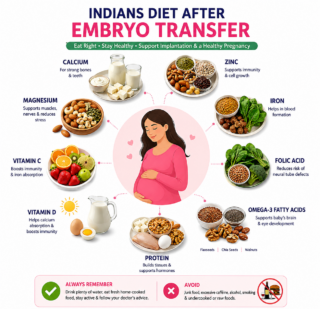
Warm foods facilitate implantation, encourage healthy fetal development, and provide essential nourishment to the body. Consuming specific nutrients listed in an after embryo transfer diet chart plan can support the likelihood of a successful pregnancy following an embryo transfer.
Nutrients to aim for after embryo transfer
Folic Acid (Folate): Even before conception, folic acid, also known as folate, is one of the most crucial nutrients throughout pregnancy. It aids in preventing neural tube defects in the growing embryo. You should aim for at least 400-800 mcg of folic acid per day. Excellent sources of folate-rich foods include:
- Leaf greens such as broccoli, kale, and spinach
- Beans and lentils
- Fortified cereals
- Citrus fruits
Leafy Greens: Leafy greens support embryo implantation by delivering essential nutrients, including folate, iron, and antioxidants. These components work together to enhance uterine health, support cellular development, and promote overall fertility.
- High Folate Content: Supports healthy cell growth and embryonic development.
- Uterine Lining Support: Helps improve uterine blood flow and uterine lining health.
- Antioxidant Protection: Reduces systemic inflammation to create a receptive environment.
- Hormonal and Nutritional Balance: Provides key vitamins and minerals that boost overall reproductive health.
Protein: Protein is essential for cell repair, tissue growth, and the healthy development of the embryo. Additionally, adequate protein intake aids in the synthesis of key hormones that regulate pregnancy while strengthening the immune system.
- Eggs and Greek Yogurt: Convenient, nutrient-dense options ideal for breakfast or snacks.
- Fatty Fish: Salmon and similar fish provide high-quality protein alongside essential omega-3 fatty acids.
- Poultry: Lean meats such as chicken and turkey.
- Plant-Based Proteins: Tofu, tempeh, beans, and lentils.
Omega-3 Fatty Acids: Omega-3 fatty acids support the early development of the embryo’s brain and eyes, help lower systemic inflammation, and promote cardiovascular health.
- Fatty Fish: Salmon, sardines, and mackerel.
- Seeds and Nuts: Chia seeds, flaxseeds, and walnuts.
Iron: Iron is vital during early pregnancy and IVF procedures to prevent anaemia and support increased blood volume. Since iron deficiency is particularly common, ensuring adequate intake is essential.
- Lean Meats and Poultry: Red meat and chicken.
- Plant-Based Sources: Leafy greens, lentils, beans, and fortified cereals.
- Vitamin C for Enhanced Absorption
Vitamin C: Vitamin C supports a robust immune system and aids in the creation of collagen, which is critical for tissue and blood vessel development. Crucially, vitamin C and iron work together in an after embryo transfer diet chart plan. Vitamin C acts as a catalyst, enhancing the body’s ability to absorb plant-based iron efficiently so it is not wasted.
- Citrus Fruits: Oranges and grapefruits.
- Berries and Vegetables: Strawberries, bell peppers, and broccoli.
Magnesium: Helps lower stress levels and relax muscles. It also plays a key role in cellular division and overall fetal development. Early embryonic growth relies heavily on rapid cell division, where a single cell repeatedly divides to build the foundational tissues of the embryo.
- Nuts: Almonds and cashews.
- Seeds: Pumpkin seeds and sunflower seeds.
- Whole Foods: Whole grains and leafy green vegetables.
Calcium and Vitamin D: Calcium is essential for building the baby’s bones and teeth. Vitamin D works alongside calcium, acting as a key partner to ensure proper absorption and maintain bone strength.
- Dairy Products: Milk, buttermilk, and yogurt.
- Fortified Alternatives: Soy milk, almond milk, and other fortified plant-based beverages.
- Plant-Based Calcium Sources: Leafy greens, almonds, and tofu.
- Vitamin D Sources: Eggs, fortified foods, and safe sun exposure.
7-Day after Embryo Transfer Weekly Diet Chart Example
Also, the post embryo transfer a diet chart planner is recommended based on the time frame. It is recommended that you consume food throughout the day, so consume the food throughout the day during the 5 common time frames such as breakfast, mid-morning, lunch, then evening snack, and then dinner. Below is an example of the whole week’s after embryo transfer diet chart plan.
Of course, you can add to it and modify it according to your needs, talking with your nutritionist and with your embryologist; this is just a basic kind of thing. You can choose Go IVF Surrogacy Clinic. They are situated in Delhi, India, but you can reach them by online consultations. On their website. They have a team of nutritionists to help you achieve your dream of becoming parents.
| Day | Breakfast | Mid-Morning Snack | Lunch | Evening Snack | Dinner |
| Monday | Warm oatmeal topped with chia seeds, sliced apple, and a drizzle of honey | Fresh coconut water + 1 small bowl of pomegranate seeds | Whole-grain wrap with grilled chicken (or tofu), spinach, and avocado + 1 cup Greek yogurt | Roasted pumpkin seeds + 1 cup warm chamomile tea | Baked salmon (or lentil loaf) with steamed quinoa and roasted asparagus |
| Tuesday | Scrambled or poached eggs on 2 slices of whole-grain sourdough toast | 1 sliced pear + 4-5 soaked, peeled almonds | Quinoa bowl with roasted sweet potato, steamed broccoli, and baked tofu | 1 cup warm, low-sodium vegetable broth | Baked chicken breast (or white bean mash) with brown rice and steamed green beans |
| Wednesday | Warm quinoa porridge cooked in almond milk with crushed walnuts and blueberries | 1 glass of fresh buttermilk or plain kefir | Turkey and avocado sandwich on whole-wheat bread + side green salad | Rice cakes topped with almond butter | Warm lentil soup with a slice of toasted sourdough bread |
| Thursday | Whole-wheat pancakes topped with fresh berries and a handful of pumpkin seeds | 1 sliced apple + 2 whole walnuts | Grilled salmon salad with mixed greens, cucumbers, olive oil, and lemon dressing | 1 cup warm tomato soup | Baked turkey (or chickpea) meatballs with whole-wheat pasta and mild marinara sauce |
| Friday | Avocado toast on whole-grain sourdough topped with 2 poached eggs | Fresh coconut water + 1 tablespoon sunflower seeds | Warm grain bowl with wild rice, steamed spinach, roasted carrots, and grilled chicken | A small bowl of oven-roasted chickpeas | Cod or tilapia fillet baked with olive oil, served alongside sweet potato mash |
| Saturday | Spinach and mushroom egg white omelette with whole-wheat toast | 1 bowl of fresh berries + 4-5 soaked almonds | Whole-wheat pita stuffed with hummus, grilled vegetables, and grilled chicken | 1 cup warm lentil soup | Roast chicken breast with sweet potato wedges and steamed zucchini |
| Sundy | Smooth breakfast bowl made with blended banana, Greek yogurt, and flaxseeds | 1 glass of fresh coconut water or plain kefir | Baked white fish (or tofu) with a quinoa salad and roasted beets | Steamed sweet potato cubes sprinkled with cinnamon | Gentle chicken and rice soup (or vegetable barley soup) cooked in olive oil |
Daily Hydration & Early Morning Routine after embryo transfer diet chart plan
- Early Morning (Every Day): Start the day with 1 glass of warm water alongside 4-5 soaked, peeled almonds and 2 soaked walnuts.
- Bedtime Routine (Every Day): End the day with 1 cup of warm milk infused with a pinch of turmeric for recovery and restful sleep.
- Fluid Target: Drink 2.5 to 3 litres of fluids (warm water, coconut water, buttermilk, clear soups) spread evenly throughout the day.
What about Indians? Diet after embryo transfer
Note: Now, let us understand that this is not the core. These are just common, basic things everyone should keep in mind. Because sometimes nutrients and nutritional diet charts are based on individual needs, as every woman has different nutrient requirements. Your nutritionist will tell you what you should eat. So, these are just common tips and adjustments we are discussing, not a whole dietary plan chart that you should take entirely to heart.
Go IVF surrogacy is the best source you can use as the after embryo transfer diet chart plan. They have a very robust team of doctors, nutritionists, and embryologists who will help you throughout your IVF journey.
As we have just learned, the core nutritional subjects matter in the need for embryo transfer. But now, let us understand what the core nutritional adjustments are that you have to make for Indian meals.
- Key tips in indian diet chart after embryo transfer
One of them is actively boosting the protein ratio. Traditional Indian meals tend to be carbohydrate-heavy, meaning large portions of rice or rotis with small portions of dal, which offer a very small portion of protein. Because of this, protein intake is very low in the Indian diet. Yet, protein serves vital functions like cell recovery and progesterone support, so you should actively double protein intake. You can actively double your dal intake, paneer, or egg portions while keeping your grain portion to one or two rotis or a small bowl of rice.
Another thing you have to make sure of is switching to easily digestible whole grains. Replace refined wheat flour such as maida and white rice with traditional gluten-light or ancient Indian grains. Soft rotis made from ragi, also known as finger millet, or jowar, also known as sorghum, or oats provide very high fibre, iron, and calcium while preventing insulin spikes.
Now, another thing you have to keep in mind for dairy staples in India. In India, dairy is a staple food in every household, and almost everybody consumes it. But full-fat milk can sometimes cause bloating or congestion. So, you should opt for warm boiled milk with a pinch of turmeric, or switch to fermented options like fresh homemade curd and plain buttermilk, or chhaas. Fermented dairy provides essential probiotics that keep gut bacteria balanced.
- Managing Traditional Spices and Cooking Methods
Tone down heating spices such as garam masala. Traditional Indian cooking relies heavily on heating spices like red chilli powder, black pepper, cloves, cinnamon, and heavy garam masala mixes. After an embryo transfer, these high-heat spices can trigger acid reflux, stomach irritation, and internal heat. So, keep the spices mild, cooling, and gentle.
Second, you should also keep in mind that you should incorporate digestive-friendly Indian herbs and seeds in cooking, such as jeera, dhaniya, hing, and ajwain. Jeera aids digestion and prevents gas, whereas dhaniya has natural cooling properties for the stomach. A small pinch of hing added to lentils can actually help break down complex starches and prevent flatulence. Ajwain, also known as carom seeds, is excellent when boiled in water for mild abdominal bloating.
Third, prioritize fresh ghee over refined oils. Fresh ghee is a game-changer, I am telling you. Avoid cooking in seed or vegetable oils that are high in omega-6 fats, which promote inflammation. Instead, use a teaspoon of pure ghee per meal. Ghee contains butyric acid, which supports intestinal lining health and aids in the absorption of fat-soluble vitamins such as A, D, E, and K.
| Focus Area | Standard Practice | Recommended Adjustment |
| Meal Structure | Rice/Roti heavy | Protein/Dal heavy with moderate grains |
| Lentils (Dals) | Heavy dals (Rajma, Chole, Urad) | Light dals (Moong, Toor, Masoor) cooked with hing |
| Spices | Red chilli & Garam masala | Cumin, coriander, turmeric, and ginger |
| Vegetables | Raw salads or heavy gravy items | Fresh, home-cooked seasonal sabzis |
| Snacks | Fried snacks (Samosa, Namkeen) | Roasted makhana, boiled sweet potato, or fruits |
Traditional Indian Ingredients and Habits to Reconsider
Be cautious with raw vegetables and chutneys. While salads are generally considered healthy, unwashed greens or any roadside street food chutneys can carry a high risk of bacterial contamination like E. coli and Listeria. So, you should stick to fully cooked, steamed, or sautéed vegetables like sabzis.
The second thing is restrictive fasting. Cultural fasting practices involving long periods without food or water can drop blood sugar levels sharply. It can elevate stress hormones, also known as cortisol, and disrupt your progesterone activity. So, eat small, warm meals every 2.5 to 3 hours.
Skip commercial pickles, such as achars, and papads.
Commercial pickles contain excessive sodium and preservatives, which lead to water retention, high blood pressure, and bloating. High-salt papads can also irritate the stomach lining.
Last but not least, steer clear of specific warm, high-heat foods. In traditional Indian dietary wisdom, also known as Ayurveda, certain ingredients are classified as generating excess internal body heat, or garam taseer. During the implantation window, limit or avoid unripe raw papaya, pineapple, any kind of sesame seeds (til), and flaxseeds in large, raw quantities, as well as excessive dry fruits like unsoaked cashews or raisins. Always consume almonds and walnuts only after soaking and peeling them overnight.
| Day | Breakfast | Mid-Morning Snack | Lunch | Evening Snack | Dinner |
| Monday | Warm oats porridge with chia seeds and apple slices | 1 glass fresh coconut water + 1 small bowl pomegranate seeds | 2 Whole-wheat rotis + 1 bowl Moong dal + Cooked palak (spinach) sabzi + 1 cup fresh curd | 1 bowl makhana (foxnuts) roasted in a little ghee | Moong dal khichdi cooked with mixed vegetables, topped with 1 tsp ghee |
| Tuesday | Vegetable moong dal chilla with homemade mint-coriander chutney | 1 bowl fresh sweet lime or pomegranate + 4-5 soaked almonds | 1 cup Steamed brown rice + 1 bowl Paneer gravy + Cooked lauki (bottle gourd) sabzi | 1 cup warm homemade vegetable soup | 2 Soft ragi rotis + 1 bowl Toor dal + Cooked pumpkin sabzi |
| Wednesday | 2 Boiled eggs with 1-2 slices of whole-wheat toast | 1 glass fresh buttermilk (chaas) with roasted cumin powder | 2 Whole-wheat rotis + 1 bowl Chana dal + Cooked bhindi (okra) sabzi + 1 cup fresh curd | 1 small bowl steamed sweet corn with black pepper | Moong dal khichdi cooked with diced carrots and beans |
| Thursday | Vegetable suji upma with peas, carrots, and mild seasoning | 1 bowl sliced pear or apple + 2 whole walnuts | 1 cup Steamed rice + 1 bowl Mix vegetable curry + 1 bowl Masoor dal | 1 glass warm turmeric milk or badam (almond) milk | Vegetable stew with steamed rice or 2 soft phulkas |
| Friday | Palak or vegetable stuffed paratha (cooked with minimal ghee) | 1 glass fresh coconut water + 1 tbsp pumpkin seeds | 2 Whole-wheat rotis + 1 bowl Paneer/Tofu gravy + Cooked torai (ridge gourd) sabzi + 1 cup curd | 1 bowl roasted makhana or roasted chana (without skin) | Soft moong dal khichdi + 1 tsp ghee + cooked mixed vegetable side |
| Saturday | Paneer bhurji with 2 soft chapattis or whole-wheat toast | 1 bowl pomegranate seeds + 4-5 soaked almonds | 1 cup Brown rice + 1 bowl mild Rajma or Chole + Cooked seasonal sabzi | 1 cup warm tomato or lentil soup | 2 Soft jowar rotis + 1 bowl Yellow dal + Cooked lauki sabzi |
| Sunday | Vegetable poha garnished with fresh coriander and lemon juice | 1 glass fresh buttermilk or coconut water | 2 Whole-wheat rotis + 1 bowl Chicken curry or Paneer gravy + Cooked spinach sabzi + 1 cup curd | 1 bowl steamed sweet potato cubes with black pepper | Light yellow moong dal khichdi with 1 tsp ghee |
After embryo transfer diet chart plan in Hindi
Garm khana implantation mein madad karta hai, baby ki achhi growth ko badhava deta hai aur body ko zaruri poshan deta hai. Embryo transfer ke baad sahi nutrients lene se successful pregnancy ke chances badh jaate hain.
Folic Acid (Folate): Pregnancy se pehle se hi folic acid sabse zaruri nutrients mein se ek hai. Ye baby mein hone wali kisi bhi tarah ke birth defects ko rokne mein madad karta hai. Aapko roz kam se kam 400 se 800 mcg folic acid lena chahiye. Iske achhe sources hain:
- Hari sabziyan jaise broccoli, kale, aur palak
- Beans aur daalein
- Fortified cereals
- Khatte fal (citrus fruits)
Hari Sabziyan: Hari sabziyan folate, iron aur antioxidants se bharpoor hoti hain jo implantation mein madad karti hain. Ye womb (uterus) ki health ko improve karti hain aur fertility ko badhati hain.
- High Folate Content: Baby ke cells ki growth mein madad karta hai.
- Uterine Lining Support: Uterus mein blood flow ko badhakar use healthy rakhta hai.
- Antioxidant Protection: Body ki swelling aur inflammation ko kam karta hai.
- Hormonal Balance: Zaruri vitamins aur minerals dekar reproductive health ko boost karta hai.
Protein-Rich Foods: Protein cells ki repair, tissue ki growth aur baby ke vikas ke liye bohot zaruri hai. Iske ilawa, ye pregnancy hormones ko balance karne aur immune system ko majboot banane mein madad karta hai.
- Anda aur Greek Yogurt: Breakfast ya snacks ke liye sabse best aur nutrient-rich option.
- Fatty Fish: Salmon jaisi machhliyan protein ke saath-saath omega-3 fatty acids bhi deti hain.
- Poultry: Chicken aur turkey jaise lean meats.
- Plant-Based Proteins: Tofu, tempeh, daalein aur beans.
Omega-3 Fatty Acids: Ye baby ke dimaag aur aankhon ke vikas mein madad karte hain, swelling kam karte hain aur heart health ko achha rakhte hain.
- Fatty Fish: Salmon, sardines aur mackerel.
- Seeds aur Nuts: Chia seeds, alsi (flaxseeds) aur akhrot
Iron: IVF ke dauran aur early pregnancy mein anaemia se bachne aur blood level ko maintain karne ke liye iron bohot zaruri hai.
- Lean Meats: Red meat aur chicken.
- Plant-Based Sources: Hari sabziyan, daalein, beans aur fortified cereals.
Vitamin C (Iron absorption ke liye): Vitamin C immune system ko majboot karta hai aur tissues wa blood vessels ko banane mein madad karta hai. Vitamin C aur iron ek saath milkar kaam karte hain; vitamin C body ko iron absorb karne mein madad karta hai taaki iron waste na ho.
- Khatte Fal: Santre aur grapefruits.
- Berries aur Sabziyan: Strawberries, shimla mirch aur broccoli.
Magnesium: Ye stress kam karta hai aur muscles ko relax rakhta hai. Ye baby ke cell division aur overall vikas mein bhi madad karta hai.
- Nuts: Badam aur kaju.
- Seeds: Kaddu ke beej (pumpkin seeds) aur surajmukhi ke beej (sunflower seeds).
- Whole Foods: Sabut anaj aur hari sabziyan.
Calcium aur Vitamin D: Calcium baby ki haddiyon aur daanton ke liye zaruri hai. Vitamin D calcium ke saath milkar kaam karta hai taaki body calcium ko achhe se absorb kar sake.
- Dairy Products: Doodh, chhachh aur dahi.
- Fortified Alternatives: Soy milk, almond milk aur doosre plant-based milks.
- Plant-Based Calcium Sources: Hari sabziyan, badam aur tofu.
- Vitamin D Sources: Ande, fortified foods aur dhoop
After embryo transfer diet chart plan in Tamil
Aana saapaadu implantation-ukku nalla udhavum, paapaavoda valarchiya adhigamaakkum, mela udambukku thevaiyaana chathugalai tharum. Embryo transfer-ukku appram sahiyaana nutrition eduthukittaa successful pregnancy chances adhigamaagum.
Folic Acid (Folate): Pregnancy-ukku munnadiyileendhe folic acid romba mukkiyamaana chathu. Idhu paapaavukku endha vidha birth defects-um varaama thadukka udhavum. Neenga dhinamum kamiyamaana aalavu 400-la irundhu 800 mcg folic acid edukkanum. Idhodha nalla sources: Pasai keraigal aana broccoli, kale, matrum pasalai keerai, Beans matrum paruppu vagaigal, Fortified cereals and pulippu pazhangal (citrus fruits)
Pachai Keraigal: Keeraigal la folate, iron, matrum antioxidants romba adhigamaa irukku, idhu implantation-ukku udhavum. Idhu karuppai (uterus) health-a improve panni fertility-a boost pannum.
- High Folate Content: Paapaavoda cells growth-ukku udhavum.
- Uterine Lining Support: Uterus-la ratha ottathai adhigamaakki adha healthy-aa vechukkum.
- Antioxidant Protection: Udambu vekkam matrum inflammation-a kammi pannum.
- Hormonal Balance: Thevaiyaana vitamins matrum minerals thandhu reproductive health-a boost pannum.
Protein Adhigam Irukkum Saapaadu: Cells repair, tissue growth, matrum paapaavoda valarchikku protein romba mukkiyam. Idhu thavira, pregnancy hormones-a balance panna matrum immunity-a strong aakka udhavum.
- Muttai matrum Greek Yogurt: Breakfast illana snacks-ukku romba best-ana nutrient-rich option.
- Fatty Fish: Salmon madhiri meen la protein kooda omega-3 fatty acids-um irukku.
- Poultry: Chicken matrum turkey madhiri lean meats
- Plant-Based Proteins: Tofu, tempeh, paruppu, matrum beans.
Omega-3 Fatty Acids: Idhu paapaavoda moolai matrum kannu valarchikku udhavum, vekkathai kammi pannum, matrum heart health-a nalla vechukkum Salmon, sardines, matrum mackerel.Chia seeds, alsi (flaxseeds), matrum akhrot (walnuts).
Iron: IVF time-la matrum early pregnancy-la anaemia varaama irukka matrum blood level maintain panna iron romba zaroori.Red meat matrum chicken.Pachai keeraigal, paruppu, beans, matrum fortified cereals.
Vitamin C (Iron absorb aaga): Vitamin C immune system-a strong aakkum, matrum tissues, blood vessels uruvaaga udhavum. Vitamin C matrum iron rendum serndhu dhaan velai pannum; vitamin C udambukku iron-a absorb panna udhavum, adhanaala iron waste aagaadhu.Pulippu Pazhangal: Orange matrum grapefruit. Strawberries, kudai milagai (capsicum), matrum broccoli.
Magnesium: Idhu stress-a kammi panni muscles-a relax-aa vechukkum. Paapaavoda cell division matrum overall valarchikku udhavum.Badam matrum kaju (cashew).Pooshani vidhai (pumpkin seeds) matrum suriyagandhi vidhai (sunflower seeds). Muzu dhaniyangal matrum pachai keeraigal.
Calcium matrum Vitamin D: Paapaavoda elumbu matrum pal valarchikku calcium mukkiyam. Udambu calcium-a nalla absorb panna Vitamin D kooda serndhu velai pannum. Paal, mor, matrum thayir.Soy milk, almond milk, matrum vera plant-based milks. Pachai keeraigal, badam, matrum tofu. Muttai, fortified foods, matrum kaalai veyil.
Frequently asked questions
What are the first signs of successful implantation?
Early signs include light pink or brown spotting, mild lower abdominal cramps, sore breasts, and fatigue. Some women also notice mild bloating and increased vaginal discharge. However, many successful transfers show no symptoms at all, which is also completely normal.
How to increase success after embryo transfer?
Take your progesterone and estrogen medications on time. Eat a warm, nutrient-rich diet and stay well-hydrated. Get 7 to 10 hours of sleep daily. Stick to gentle walking and avoid hot bathtubs, saunas, or heavy exercise.
Which drink is best for implantation?
Fresh coconut water is ideal because it provides natural electrolytes and reduces bloating. Plain warm water, fresh buttermilk (chaas), and warm turmeric milk before bed are also great choices for hydration and digestion.
What is the best food to eat after embryo transfer?
Warm, easily digestible foods like moong dal khichdi, cooked spinach, avocados, and soaked almonds and walnuts are the best. They provide quality protein, iron, folate, and healthy fats that support pelvic circulation.
Which fruit to avoid after embryo transfer?
Avoid unripe or semi-ripe papaya because it contains latex and enzymes that can trigger uterine tightness. It is also best to limit or avoid large quantities of raw pineapple during the two-week wait.