
How many embryo transfers are allowed per cycle of IVF
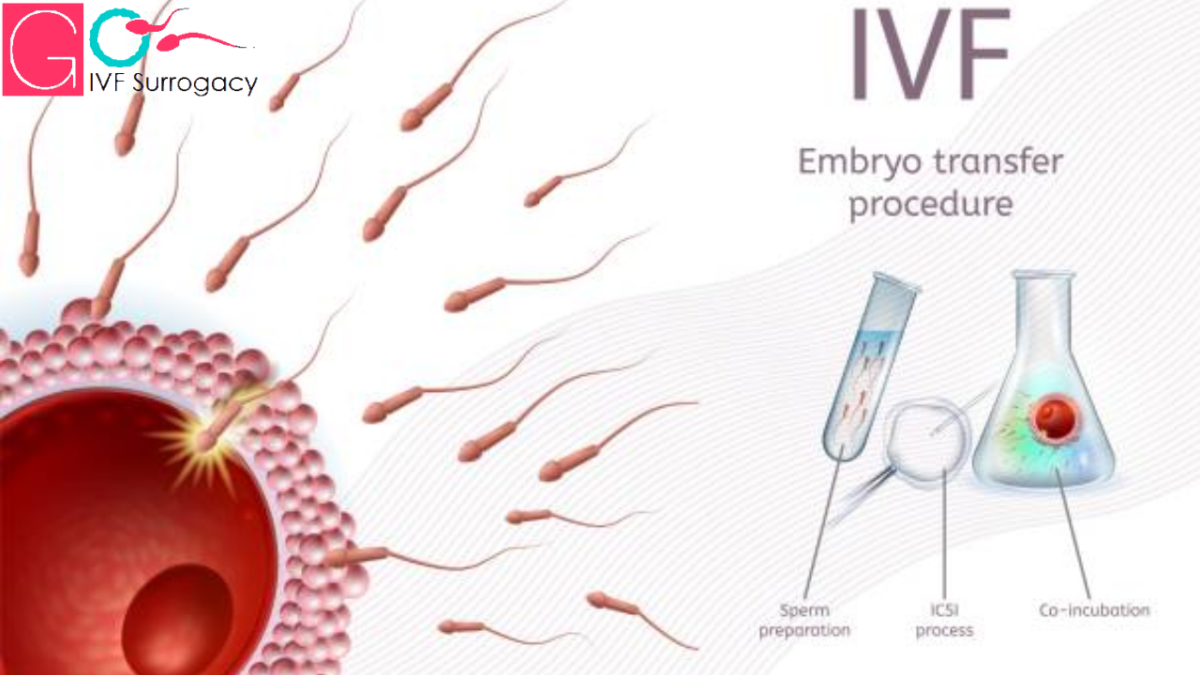
How many embryos are transferred in IVF in India?
In India, there is no strict numerical limit on embryo transfer under the Assisted Reproductive Technology (ART) Regulation Act. But it doesn’t mean there could be any number of embryo transfers per cycle of IVF. The Indian Council of Medical Research (ICMR) and various national fertility society guidelines regularly issue rules and guidelines in the medical field in India.
ICMR has set the standard number of embryos for transfer at one or two. In special cases, it can be increased to three. However, how many embryo transfers are allowed can depend on your age and embryo quality. In many cases, generally, women over the age of 40 have slightly lower chances of successful embryo implantation. So in those cases, doctors and even the law permitted more than two embryo transfers.
According to the general guideline, as per the ICMR norms, how many embryo transfers are allowed? Only two embryos are permitted. However, if someone has previous multiple IVF failed cycles adn have a less favourable medical process can opt for a three-embryo transfer.
Why is only one to two embryos a standard?
- Human capabilities: the human body’s uterus is only capable of carrying one baby at a time. While doctors recommend or suggest implanting both of the embryos together because it increases the chances of successful implantation by 10 percent, however, at the same time, it also increases the chances of both embryos implanting. This can put the baby and the mother both at risk. The majority of triplets are born with underdeveloped organs and bodies as they are born prematurely. It further increases the chances of lung complications in the future and extended NICU stay.
- Pregnancy health risks increase; It takes a toll on the physical body of a mother. Maternal risks are increased, such as;
- Gestational Diabetes (GDM)
- Preeclampsia and hypertension
- Formation of blood clots
- Issues with the placenta
- Preterm birth with low baby weight
- Stillbirth
- Multiple pregnancies
- Delivery changes
- Success V/S risk factor; Most people think that if there are multiple embryo transfers at once, then it increases their chance of having a baby. But it does not work like that. If you have transferred only one embryo, and your success rate was about 55 percent. So if you try to implant another embryo you chances will just double up to 100 percent. Only there is a 10 percent chance.
- Change in medical history; earlier, when IVF was still new and newly invented. Only very few embryos actually survived the incubator or freezing process. Doctors routinely transferred 3 to 5 embryos, just hoping one would stick. Today, laboratory environments and culture media are highly sophisticated. Doctors can routinely grow embryos to the Blastocyst stage (Day 5), which has a much higher natural implantation rate. Because individual embryo quality is so much higher now, transferring more than two is no longer medically necessary to achieve great success rates.
Also, how many embryo transfers are allowed is based on the stage of the embryo culture.
Stages of the embryo development;
- Cleavage stage: The single-celled embryo is growing rapidly by dividing. This stage is usually of two to three days. By the second day, cells are already divided into four cells. If everything is right, by the third day, embryos already have six to eight cells. Now doctors are looking for fragmentations. Fragmentation is the tiny pieces of extra stuff around the cell that are not needed. The less the fragmentation, the higher the quality of the embryo is.
- Morula; By this stage, which is day four, cells are beginning to stick together to each other.
- Blastocyst; For patients over 40, this is considered the best time to transfer the embryo. This is day five, this is the most important stage because by now the embryo is already formed by 100 cells. These hundreds of cells are now developed into two distinct parts, known as the inner cell mass and the Trophectoderm. Inner cell mass is the baby, and Trophectoderm is the placenta.
| Metric | Day 3 Cleavage Transfer | Day 5 Blastocyst Transfer |
| Cell Development | 6 to 8 cells | 100+ cells |
| Implantation Rate | Lower (30% to 37%) | 44% to 50% |
| Pregnancy Rat ( | 40% to 51% | 50% to 61% |
| Uterine Synchrony | Lower (In natural conception, a Day 3 embryo is still traveling down the fallopian tube, not in the uterus). | Higher (In nature, the embryo reaches the uterus exactly on Day 5, so the lining is perfectly receptive). |
Who can get more than two embryos in India? How many embryo transfers are allowed?
Your chances of actually getting more than two embryos implanted, according to the law, are very low if you are under 35 years old and have no previous failed IVF cycles in the past. Also, if your embryos are already at stage five of development, then your chances are very low.
If you’re between the ages of 35 and 38, the human body’s eggs are already declining rapidly, which further reduces the chances. But you can opt for multiple embryo transfer in the cleavage stage if you have a previous record of failed IVF cycles.
Next, who is most eligible to get multiple embryos is someone older than 38 with multiple implantation failures in the past. As after the 35 years, egg quality starts to decline, and then poor embryo quality is another factor.
How do doctors choose at which stage the embryo should be transferred? How many embryo transfers are allowed?
Normally, only stage five is the most fertile and has higher chances of successful implantation. However, people still have questions about why doctors recommend third-stage embryo transfer.
Well, it all comes down to the embryo’s quality and the mother’s age and health.
Here is that information organized into a clear,organised side-by-side comparison table to help you easily weigh the two options.
| Factor | When Day 5 (Blastocyst) is Best | When Day 3 (Cleavage) is Best |
| Embryo Quantity | High number available (5 or more good embryos on Day 3). You can afford to let them “race” in the lab to find the strongest candidate. | Very few embryos (only 1 or 2 total). Waiting until Day 5 is a gamble; if they stop growing in the lab, you have nothing left to transfer. |
| Patient Age & Reserve | Younger patients (under 35) with a good ovarian reserve, making a single embryo transfer highly likely to succeed safely. | Advanced maternal age (over 40) with a low ovarian reserve, where maximizing the number of immediate transfer opportunities matters most. |
| Genetic Testing (PGT) | Required/Planned. A genetic cell biopsy can only be safely performed on a well-developed Day 5 blastocyst. | Not planned. Embryos are selected strictly based on how they look under the microscope on Day 3. |
| Environment Strategy | Relies on the advanced lab incubator to filter out the weaker embryos that wouldn’t naturally survive past Day 3. | Relies on the natural maternal uterus, which can sometimes be a more supportive environment for fragile embryos than a lab incubator. |
2 embryos transferred, but only 1 implanted. What happens to that one?
Another query people have is this: if two embryos are transferred, but only implanted. What happens to that one?
another embryo, which was not implanted, gets absorbed by the body itself. An unimplanted embryo is microscopically tiny, consisting of only a few hundred cells, and your body simply just reabsorbed at a cellular level. Additionally, it could be shed along with your next menstrual cycle. Many people have questions, like, would it be a miscarriage? No, it would be the miscarriage.
How many embryo transfers are allowed over 40
For the question How many embryo transfers are allowed over 40? In the case of women over 40, indian medical guidelines are very strict, generally only two or three untested embryos, and only one can be genetically tested (euploid), is the standard way. As for how many embryo transfers are allowed actually depends on other factors such as
People over 40 have a lower chance of a successful embryo implantation. why?
Naturally, women’s bodies produce tissues that look similar to scars, inside the uterus, particularly along the lining of the uterus. This process is important as it helps make the uterus more prone to receiving the fertilized embryos. How? This tissue formation is soft and flexible, helping embryos attach themselves to it so the embryo can grow further into the fetus, and the formation of the placenta can take place as well. However, due to age, this process is reduced significantly in the quality of the tissues. After 30s, these tissues start to become harder and less receptive to embryos, leading to a decreased chance of implantation.
What is PGT testing?
It is an advanced testing which is performed during the IVF treatment cycle. What actually happens in this testing is that the embryo, which has been fertilised and developed in the IVF treatment, is said to undergo various tests. Many of these tests are for chromosomal or genetic disorders.
Older people have more chances of genetic deformities, especially aneuploidy, which is the abnormal number of chromosomes needed for a successful pregnancy. In simpler words, a normal healthy person has an equal set of chromosomes in even number, 46. However, if it is low, such as 45, or too high, like 47, it effectively decreases the chances of pregnancy.
How many embryos can be transferred for people over 40?
Only 2-3 untested embryos, and only one genetically tested embryo.
In untested embryos of the blastocyst stage, doctors will recommend the standard number of two embryos at once, as it gives a realistic chance that at least one will be chromosomally normal and will stick.
If doctors are transferring the embryos at just stage three, then there will be three embryos at least. According to the legal landscape of the Indian judiciary, absolute legal capacity to transfer the embryos is limited to three under any condition, even for patients over 40.
If the embryo is genetically tested (PGT-A\)
Then, only one embryo is allowed to be transferred. Let’s say you have three embryos and only one of them is tested. In the test results, if doctors find a normal embryo meaning everything is good with it. So you can now only transfer one. Why? The genetically normal embryo has a higher chance of implantation of about 50% – 60%. So, you can only transfer one embryo. Even if you insist on transferring more than one embryo, it will just bring you a problem medical wise adn
IVF; How many embryos make it to day 5
On average, after the fertilisation process, only about 35 to 55 percent ot fertilised eggs make it to stage five of fertilisation, known as blastocyst.
Let’s understand this with an example. Imagine an IVF cycle where experts have retrieved 10 days.
Imagine a cycle where a doctor retrieves 10 eggs:
Step 1: Maturity (80% make it); Not every egg retrieved is mature enough to be used. Out of 10 eggs, about 8 will be mature.
Step 2: Fertilization (70% to 80% make it). Of those mature eggs combined with sperm, about 6 will successfully fertilize and become Day 1 embryos.Fertilisation
Step 3: The Day 5 Blastocyst (30% to 50% make it); Out of those 6 fertilised embryos, typically 2 to 3 will survive the massive metabolic hurdle of growing to Day 5.
Average Blastocyst Rates by Age
Maternal age is the single biggest factor influencing how many embryos make it to Day 5, because egg quality naturally declines over time, leading to more chromosomal errors that cause embryos to stop growing.
| Age Group | Average Percentage of Fertilised Eggs Reaching Day 5 | Expected Blastocysts if starting with 6 Fertilized Eggs |
| Under 35 | 50% to 60% | 3 to 4 blastocysts |
| 35 to 37 | 40% to 50% | 2 to 3 blastocysts |
| 38 to 40 | 30% to 40% | 1 to 2 blastocysts |
| 41 and older | 10% to 20% | 0 to 1 blastocyst |
What is the IVF process? Chances of triplets with 3 embryo transfer
IVF means In Vitro Fertilisation, meaning fertilisation which takes place in a glass dish or a lab dish. The whole treatment of IVF is called a cycle. There are various stages in this treatment. IVF is a one-time treatment; you should expect at least one month of the whole treatment. This month, there are different stages. Those stages are decided by the type of treatment you are choosing. Although IVF is a basic process of lab fertilisation of gametes, other types of fertilisation, such as how many embryos are produced, are based completely on patients’ demographics.
Why is IVF based on the patient‘s demographic? The thing is, IVF in the first place is chosen by patients because of infertility. Now, infertility can be caused by many things, such as male infertility and female fertility.
Factors like the uterine lining in women, not being thick enough, can be problematic, whereas low sperm count in males can cause infertility. These factors can entirely change the route of your treatment. These also affect the cost of the treatment. Now, what is the treatment of IVF?
Five basic stages of IVF treatment
- Initial consultation; This stage is basically all the important tests that should be done so doctors can know the status of the reproductive system. Below is the list of all the tests.
- Ovarian stimulation; Usually, women produce only eggs every month, so during this phase, doctors prescribe the medication to women to encourage their bodies to produce more than one egg. In your IVF costs, most of the money goes into this phase’s medications.
- Egg retrieval; Now, in this phase, the egg is supposed to be retrieved from the body through a minor surgery called transvaginal oocyte retrieval (TVOR). IVF charges include the charges of the small surgery, which typically range from Rupees 45,000 to Rupees 1,00,000. However, you must notice that the charges for this surgery vary from one location to another.
- Fertilisation & Embryo culture; Sperm and egg are fertilised together in the lab. There are two ways this is done: ICSI and conventional methods. The ICSI method is the most expensive type of procedure compared to conventional methods. Due to this, your IVF charges can increase significantly. If fertilisation methods are successful, the embryo is formed. The doctor will closely determine its status through tests and regular examination. As in most cases, the fertilised embryo will be moved to the incubator. Most clinics include the incubator fees in their packages.
- Embryo transfer; Next is the transfer of the newly fertilised embryos through a small surgery. IVF charges include the cost of the surgery. Such as FET (frozen embryo transfer), single embryo transfer, and multiple embryo transfer. The cost of the charges will be based on the type of transfer you opt for or your doctor suggests.
Chances of triplets with 3 embryo transfer
Chances of triplets with three embryo transfer entirely depend upon the mother’s age and on the development of the embryo.
Chance of triplets with three embryo transfer by age.
- If a younger woman under 35 does three embryo transfers at once, there is a higher possibility that all embryos might get implanted successfully. Why? Because egg quality and embryo quality are at their peak.
- From 35 to 39 age you have about a 4 to 8 percent chance of having triplets. The biological egg quality decreases with age, so the chances of having triplets are also low.
- After 40 and older, the chances of having triplets further deteriorate to under 1 to 2 percent.
By embryo development stage
- Day three cleavage embryos (3% to 5%)
- Day five blastocysts (15 % to 20 %)
| Pregnancy Outcome | Average Statistical Likelihood | What does it mean? |
| Singleton Pregnancy (One baby) | 35% to 45% | The most common positive outcome happens when only one of the three embryos successfully implants. |
| Twin Pregnancy (Two babies) | 20% to 30% | A very frequent result occurs when two out of the three embryos manage to stick. |
| Negative Result (Zero implantations) | Varies entirely | Highly dependent on maternal age and individual embryo quality. |
| Triplet Pregnancy (Three babies) | 3% to 6% | The least likely outcome, though the risk spikes drastically higher (up to 15%+) in younger patients under 35. |
Best IVF clinic in India
Go IVF surrogacy clinic is the top choice for any couple seeking IVF treatment. It is headquartered in India. But do not let its location change your choice, because it has many connections and treats patients from abroad. It has been in the Field of assisted reproductive technology for more than a decade. More than 8000 successful pregnancy cases.
The IVF charges in India include one IVF cycle with partners eggs and sperm. It provides pregnancy results if the couple’s gametes and reproductive health are average. They have fewer chances of poor health and fertility status. Their IVF treatment can face multiple failures that affect the IVF charges in India. Your expert can suggest advanced IVF treatment or various approaches in the process for successful outcomes.
Many procedures are available to assist with different infertility conditions in IVF to help couples become parents. Our highly experienced and certified experts will suggest the best process according to your requirements and a budget-friendly approach.
At the most affordable prices
The IVF procedure cost in India comes under the price bracket of INR 3,14,862.57 to INR 3,81,651.60. Your price may go up if the couple decides to undergo advanced fertility treatment due to their severe infertility issue. The fertility expert will harvest your eggs in the fresh cycle. They will monitor the period of ovulation-inducing medications. After that, they mix your eggs with fresh sperm.
The mentioned price range for IVF treatment in India includes the Initial consultation with the fertility expert, complete IVF/ ICSI cycle procedure, Blood tests, ultrasound scans, male and female blood investigations, Egg pick-up and embryo transfer, and the fees of your fertility expert/embryologist.
ASRM embryo transfer guidelines
The American Society for Reproductive Medicine (ASRM) guideline for embryo transfer is structured to adhere to strict medical goals for the birth of a single healthy baby. The embryo transfer ASRM guidelines for genetic screening are for all age groups and set to one embryo.
Untreated embryos transferred are allowed according to ASRM guidelines
| Patient Age Group | Day 5 / Day 6 Blastocysts | Day 3 Cleavage Embryos |
| Under 35 | 1 Embryo | 1 Embryo |
| 35 to 37 Years | 1 Embryo | 1 Embryo |
| 38 to 40 Years | Maximum of 2 | Maximum of 3 |
| 41 to 42 Years | Maximum of 3 | Maximum of 4 |
Even if it is your frozen embryo, the strict single embryo transfer rule is maintained. Especially in the cases of the egg donor cycles, the age of the egg donor is strictly under 30, so strict single embryo transfer is permitted. The same is the case with surrogacy via a gestational carrier.
ESHRE guidelines for embryo transfer
The European Society of Human Reproduction and Embryology (ESHRE) has a very strict point of view on the scene. According to the ESHRE guideline, no matter what, there is no need to transfer more than one embryo during your IVF treatment.
They strongly believe factors such as maternal age, previous failed IVF treatments, duration of infertility, and ovarian response are not green lights for more than one embryo transfer.
According to the ESHRE guideline, these conditions only increase the chance of increased maternal health risks, such as death and many other complications.
Frequently asked questions?
- What exactly happens to the embryos during PGT-A genetic testing, and is there a risk they will be damaged?
PGT-A is performed on Day 5 or 6 when the embryo expands into a 100-cell blastocyst, separating into baby-forming cells and an outer placenta layer. An embryologist uses a precise laser to safely biopsy 3 to 5 cells strictly from the outer placenta layer, leaving the baby-forming cells untouched before ultra-rapid freezing.
- Who needs IVF treatment in India?
- Blocked fallopian tubes
- Ovarian failure
- Unexplained infertility
- High consumption of alcohol
- Low or poor sperm count
- Abnormal shape of sperm, which results in poor mobility
- Sperms are not present in semen
- Age over 35 years in the case of women and 38 years in the case of men
- Repeated history of miscarriages