Top IVF Clinics in Argentina & Egg Donation at Low Cost

Top IVF Clinics in Argentina
Top IVF Clinics in Argentina are giving new hope to the intended parents. The fertility treatment is available in different countries and also gives a high success rate, but we will talk about the benefits of IVF in Argentina. There are different kinds of data that show it as a beneficial option.
Argentina has rapidly become a world-class destination for IVF, offering high-quality care at significantly lower costs than in North America or Europe. Clinics maintain cutting-edge technology, experienced reproductive specialists, and comprehensive care—from basic IVF and ICSI to egg/sperm donation, PGD, and surrogacy.
IVF landscape & Popularity- Choosing Argentina for IVF?
Argentina has steadily become one of the most sought-after destinations for in-vitro fertilization (IVF), thanks to a unique blend of affordability, quality medical care, legal inclusiveness, and compassionate reproductive health policies. For many individuals and couples—both within Latin America and globally—Argentina represents more than just a location for IVF; it stands as a symbol of reproductive freedom, modern medicine, and personal hope.
Are IVF & Fertility Treatments Legal in Argentina?
Yes, IVF and other fertility treatments are fully legal in Argentina, supported by one of the most inclusive reproductive health laws in the world. Under Law 26.862, individuals and couples—regardless of gender, marital status, or sexual orientation—have the right to access assisted reproductive technologies, including IVF, ICSI, egg donation, and embryo freezing.
Core Benefits of IVF in Argentina
Argentina also benefits from a cultural environment that embraces family-building through ART (Assisted Reproductive Technology). Physicians, nurses, and patient coordinators often take a deeply personal approach. Many clinics have bilingual staff, dedicated international departments, and long-standing experience working with patients from all over the world. The country’s warm hospitality, combined with low travel costs and short waiting periods, makes the process feel less clinical and more human.
In short, Argentina’s IVF landscape stands on three strong pillars: top-tier medical care, inclusive reproductive rights, and cost-effectiveness. For those who want expert fertility care without legal hurdles or financial strain, Argentina doesn’t just offer IVF—it offers the full emotional and ethical framework to build the family you’ve dreamed of.
IVF Success Rate in Argentina
At the heart of Argentina’s IVF success is its highly developed medical infrastructure. Fertility clinics across Buenos Aires, Córdoba, and Mendoza are equipped with cutting-edge technologies comparable to those found in the U.S. or Europe. Procedures like ICSI (Intracytoplasmic Sperm Injection), preimplantation genetic testing (PGT), cryopreservation, donor egg/sperm programs, and even advanced embryo culture systems are routinely performed. Most clinics follow international standards, and many are accredited by recognised global health institutions.
The success rate of IVF in Argentina varies based on the patient’s age, fertility history, and treatment method, but overall, it aligns with top global standards. For women under 35, success rates typically range between 50% to 60% per cycle, while women aged 35–40 see rates around 40% to 50%. When using donor eggs, success rates often exceed 65%, regardless of age. Many clinics in Argentina also offer embryo genetic testing (PGT), which further improves implantation and live birth rates. High-quality labs and individualised care enhance these outcomes significantly.
Legal Framework of IVF in Argentina
But what truly sets Argentina apart is its legal framework. Unlike many countries where IVF is restricted to heterosexual married couples, Argentina’s 2013 Reproductive Health Law guarantees universal access to assisted reproduction techniques. That means anyone—regardless of sexual orientation, marital status, or nationality—has the legal right to pursue IVF. This inclusivity has made Argentina a top destination for single women, LGBTQ+ couples, and international patients who face legal or societal barriers in their home countries.
- Argentina guarantees IVF access for all individuals, regardless of marital status, gender, or sexual orientation.
- Law 26.862 legally protects access to assisted reproduction as a public health right.
- Both public and private hospitals must offer IVF and ART services.
- Treatments are available to citizens and international patients alike.
- Egg and sperm donation is legal and anonymous, with strict health screening.
- Informed consent is mandatory at every stage of IVF treatment.
- Many Top IVF Clinics in Argentina provide legal counselling and ethical transparency.
- Embryo donation is also permitted under medical guidelines.
- Surrogacy is practised but remains unregulated, handled through legal contracts.
- No national age restrictions, but clinics may apply medical age limits.
Is an IVF Clinic in Argentina Affordable?
Another major draw is affordability. IVF treatments in Argentina cost significantly less than in the United States or Western Europe, often by 50–70%, without compromising on success rates or safety. Patients benefit from transparent pricing, optional treatment add-ons, and flexible payment plans—something rarely seen in more commercialised systems.
In terms of popularity, Argentina sees thousands of fertility tourists every year. Many patients travel from neighbouring Brazil, Chile, Peru, and Uruguay, as well as from more distant countries like the U.S., Canada, Germany, Israel, and Australia. Medical tourism packages often include airport pickup, hotel discounts, and interpreter services, which further ease the stress of undergoing treatment abroad.
Factors Contributing to the IVF Success Rate in Argentina
Argentina’s IVF success rates are highly competitive when compared to Western countries, largely due to experienced professionals, personalised treatment plans, and strict quality control in labs. The success of IVF in Argentina depends on various factors like patient age, fertility history, and whether advanced methods like ICSI or PGT are used.
Women under 35 can expect a success rate of around 60–70% per cycle, while those between 35–40 see 50–60%.
For patients using donor eggs, the chances of success are even higher, often exceeding 65%, as the eggs are sourced from healthy, young donors. Many clinics also recommend embryo freezing and multiple cycle packages, which improve the chances over time while reducing cost. What makes these results more reassuring is that Top IVF Clinics in Argentina openly share their data, undergo regular audits, and maintain international standards of care.
- 50–60% success rate in women under 35
- 40–50% success rate for ages 35–40
- Over 65% success with donor eggs
- Clinics use transparent success reporting and regular audits
- Personalised treatment plans improve outcomes
- Reduced emotional stress leads to higher implantation success
- Top IVF Clinics in Argentina follow global IVF protocols
Technological Advancements in Argentina to Support IVF
Argentina is a pioneer in adopting fertility technologies that improve IVF outcomes and ensure patient safety. From sophisticated embryo freezing methods to comprehensive genetic screening, fertility centres here are equipped with tools that rival any top clinic in the U.S. or Europe. These advancements aren’t limited to one or two elite centres—Top IVF Clinics in Argentina routinely use these technologies as standard practice.
Intracytoplasmic Sperm Injection (ICSI) is widely used, especially in cases of male infertility. For patients with repeated IVF failure or genetic concerns, Preimplantation Genetic Testing (PGT) allows screening embryos for chromosomal abnormalities before transfer, improving both pregnancy and live birth rates. Clinics also use time-lapse incubators, allowing continuous embryo monitoring without disturbing growth environments.
- Intracytoplasmic Sperm Injection (ICSI)
- Preimplantation Genetic Testing (PGT-A, PGT-M)
- Time-lapse embryo monitoring systems
- Blastocyst culture (day-5 embryo transfer)
- Vitrification for egg and embryo freezing
- Sperm retrieval procedures like TESA and PESA
- Top IVF Clinics in Argentina use AI-assisted embryo scoring in some centres.
IVF Cost in Argentina- How Much Does IVF Cost in Argentina?
One of the main reasons patients choose Argentina for fertility care is the significantly lower cost compared to the U.S. or Europe. Without compromising on technology or success rates, Top IVF Clinics in Argentina offer affordable packages tailored to various fertility needs. The average cost of a single IVF cycle ranges from $3,500 to $5,000, depending on the clinic, medications, and whether donor eggs or advanced testing like PGT is involved. Package deals, multiple-cycle discounts, and low-cost add-ons make treatment financially accessible for many international patients seeking high-quality reproductive care in a supportive environment.
| Procedure | Estimated Cost (USD) |
| Initial consultation | $100 – $200 |
| Standard IVF cycle | $3,500 – $5,000 |
| ICSI (Intracytoplasmic Sperm Injection) | $500 – $800 |
| Donor egg IVF | $6,000 – $8,000 |
| Frozen embryo transfer (FET) | $1,200 – $2,000 |
| Embryo cryopreservation | $500 – $700 |
| Preimplantation Genetic Testing (PGT) | $2,000 – $3,500 |
| Sperm/egg donation (without IVF) | $1,500 – $2,500 |
| Medications (per cycle) | $800 – $1,200 |
Fertility Clinics in Argentina- Top IVF Clinics in Argentina
Argentina is home to some of the most reputable IVF clinics in Latin America, particularly concentrated in cities like Buenos Aires, Córdoba, and Mendoza. These clinics are equipped with modern reproductive technologies and follow strict international protocols for lab safety, embryo handling, and patient care
Most centres offer comprehensive services including IVF, ICSI, PGT, egg donation, and fertility preservation. With bilingual staff and dedicated international patient coordinators, they make fertility care accessible and emotionally supportive. Their track records reflect high success rates and ethical treatment practices. These hospitals also support single women and LGBTQ+ couples, making them globally inclusive and trusted for international fertility tourism. Legal Framework & Ethical Aspects of an IVF Clinic in Argentina
| City | Specialties Offered |
| Buenos Aires | IVF, ICSI, Egg Donation, PGT |
| Córdoba | IVF, Embryo Freezing, Hormonal Therapy |
| Buenos Aires | IUI, IVF, Blastocyst Transfer |
| Mendoza | IVF, Donor Egg Program, Genetic Counselling |
| Rosario | IVF, ICSI, Endometriosis-Linked Infertility |
| Buenos Aires | PGT-A, IVF, Male Fertility Treatments |
| Salta | IVF, Sperm Retrieval, Hormone Monitoring |
| Buenos Aires | Egg Freezing, IVF, Surrogacy Guidance |
| Córdoba | IVF, Reproductive Endocrinology |
| Tucumán | IVF, Fertility Preservation for Cancer Patients |
| Buenos Aires | IVF, Embryo Adoption, Ovarian Reserve Testing |
| Mendoza | IVF, Natural Cycle IVF, Lifestyle Counselling |
| Rosario | IVF, PCOS Management, Male Factor Infertility |
| Buenos Aires | IVF, LGBTQ+ Family Planning |
| La Plata | IVF, Donor Sperm IVF, PGT-M |
Legal Framework & Ethical Aspects of IVF Clinics in Argentina
While IVF is regulated, surrogacy remains unregulated by national law in Argentina. It is not illegal, but there are no specific legal protections or procedures in place. Most surrogacy arrangements are handled privately through legal contracts. Anyone considering surrogacy in Argentina is advised to consult experienced legal professionals and choose clinics familiar with such cases.
Fertility clinics in Argentina operate under ethical standards outlined by the Ministry of Health and bioethics committees. Most top clinics also comply with international ART guidelines. Ethical considerations—such as limiting embryo transfers to avoid multiples, offering psychological support, and maintaining donor confidentiality—are part of routine clinical practice.
Go IVF Surrogacy- Top IVF Clinic in Argentina
Go IVF Surrogacy stands out as one of the most trusted and result-oriented fertility facilitators in Argentina. With its dedicated support for domestic and international patients, it bridges the gap between couples dreaming of parenthood and the top fertility clinics in the country. Patients who choose Go IVF Surrogacy benefit from personalised care, transparent pricing, and access to some of Argentina’s most reputable fertility specialists.
Unlike other facilitators that only provide basic coordination, Go IVF Surrogacy offers end-to-end guidance—from initial consultations and medical document reviews to travel planning and post-treatment follow-ups. Their partnerships with leading clinics across Buenos Aires and beyond ensure that every patient receives treatment in a certified, ethical, and technologically advanced environment.
- Offers comprehensive coordination with Top IVF Clinics in Argentina, ensuring patients access high-quality, ethical, and licensed treatment centres.
- Personalised case management by coordinators who speak multiple languages and guide patients at every stage of the IVF journey.
- Specialises in arranging treatment for international patients, including visa support, travel planning, and accommodation assistance.
- Strong record of successful IVF cases involving egg donation, ICSI, and embryo freezing, especially for patients over 35.
- Works with clinics that use advanced technologies like PGT, time-lapse imaging, and blastocyst culture to improve success rates.
- Supports single parents and LGBTQ+ couples, offering legal and emotional guidance tailored to individual circumstances.
- Transparent package pricing with no hidden costs and flexible payment structures to reduce financial stress.
- Offers fertility preservation options for cancer patients and those seeking to delay childbearing.
- Maintains long-term collaborations with clinics that follow both national and international fertility treatment standards.
- Assists with second opinions, medical file reviews, and treatment customisation based on fertility history.
- Focuses not only on treatment but also on patient comfort and emotional well-being during the IVF process.
- Offers reliable surrogacy support in countries where legally permitted, making it a trusted platform for all forms of ART.
- Ensures ethical donor selection and anonymity through registered partner clinics.
- Provides post-treatment follow-up and communication to assist with ongoing needs or future family planning.
- Praised for timely communication, sensitive care, and consistent patient satisfaction, backed by glowing testimonials.
Step-by-Step IVF Process in Argentina
Undergoing IVF in Argentina is a carefully guided medical process supported by experienced specialists and compassionate teams. Patients can expect a streamlined and transparent experience, especially when working with the Top IVF Clinics in Argentina, which are known for their professionalism, bilingual support, and ethical care.
The journey usually begins with a virtual or in-person consultation, during which the fertility specialist reviews medical history, past reports (if any), and outlines suitable treatment options. This phase helps determine whether conventional IVF, ICSI, or donor-assisted methods are most appropriate. Once the plan is finalised, the process moves to the active cycle.
- Ovarian Stimulation
The female partner begins hormone injections to stimulate the ovaries and develop multiple follicles. During this phase, the patient undergoes regular ultrasounds and blood tests to monitor hormone levels and follicular growth. - Egg Retrieval
When the follicles are mature, a minor surgical procedure is scheduled to retrieve the eggs. It is usually done under sedation and takes about 20–30 minutes. At the same time, a sperm sample is collected from the partner or donor. - Fertilisation in the Lab
The eggs and sperm are combined in the laboratory. In many cases, ICSI (Intracytoplasmic Sperm Injection) is used to increase the chances of fertilisation, especially in male infertility cases. - Embryo Culture
Fertilised embryos are cultured for 3 to 5 days. Many clinics use time-lapse incubators to monitor development without disturbing growth. The best-quality embryos are selected for transfer. - Embryo Transfer
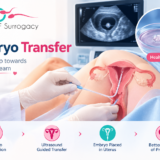
A selected embryo is gently placed into the uterus using a thin catheter. It’s a painless, outpatient procedure requiring no anaesthesia. - Pregnancy Test and Follow-Up
Around 10–14 days after the transfer, a blood test confirms whether implantation was successful. If positive, early pregnancy support is initiated. If not, the doctor may recommend frozen embryo transfer (FET) in a future cycle.
IVF for International Patients in Argentina
Argentina has earned its place as one of the most inclusive and accessible fertility destinations in the world. For international patients—including LGBTQ+ couples, single women, and older individuals—the country offers a unique blend of affordability, legal protection, and world-class care. The Top IVF Clinics in Argentina are fully equipped to support patients from abroad with language assistance, personalised guidance, and ethical transparency.
Why International Patients Choose Argentina
Argentina’s appeal lies in its openness. Unlike many countries that place legal or cultural restrictions on who can access fertility care, Argentina’s national law (Law 26.862) guarantees access to all individuals, regardless of marital status, nationality, or sexual orientation. This legal foundation is especially empowering for:
- Single women who want to pursue motherhood independently
- Same-sex female couples seeking IUI or IVF with donor sperm
- Same-sex male couples or single men exploring IVF with surrogacy (though this remains legally complex)
- Patients are facing discrimination or high treatment costs in their home countries.
In addition to legal access, patients benefit from Argentina’s affordable IVF costs, short waiting times, and the high success rates reported by the Top IVF Clinics in Argentina.
Services Tailored for International Patients
Many clinics in Buenos Aires, Córdoba, and Mendoza have dedicated international departments. These teams assist with:
- Online consultations and second opinions
- Visa and travel coordination
- Translation and bilingual staff (English, French, Portuguese, etc.)
- Treatment scheduling that minimises time spent abroad
- Remote pre-treatment planning, so patients arrive ready to begin the IVF cycle
Packages often include medication support, donor selection services, cryopreservation options, and even psychological counselling.
IVF for LGBTQ+ and Single Women
Argentina is one of the few countries where fertility treatment is truly inclusive. Single women and lesbian couples can access IVF or IUI using donor sperm without legal complications. Egg donation and embryo donation are also available to all, with full legal protections and ethical oversight.
While surrogacy is not yet regulated, some gay couples and single men pursue it through private agreements with legal support. The Top IVF Clinics in Argentina offer guidance and work with experienced reproductive lawyers to ensure everything is handled professionally and ethically. Their international-friendly infrastructure makes IVF abroad feel less intimidating and more like a personalised, supportive experience.
- Transparent pricing with no hidden fees
- High success rates with IVF, ICSI, and donor programs
- Preimplantation Genetic Testing (PGT) for embryo selection
- Flexible payment options for multi-cycle packages
- Legal and emotional support throughout the journey.
Factors Affecting IVF Cost in Argentina
While IVF in Argentina is known for being affordable, the final cost of treatment can vary depending on several personal and clinical factors. Top IVF Clinics in Argentina often offer customizable packages based on the patient’s medical needs, treatment preferences, and additional services.
One major factor is the type of IVF procedure being used. A basic IVF cycle will cost less than a cycle involving ICSI, egg donation, or embryo freezing. Similarly, if the patient requires genetic testing (PGT-A or PGT-M), the cost can increase significantly, as this involves advanced lab work.
- Medication costs are another variable. Younger women with a good ovarian reserve may need fewer stimulation drugs..
- Older women or those with PCOS may require higher dosages or more expensive hormonal protocols.
- Use of a donor egg or donor sperm will also affect the price.
- These services include screening, legal processing, and donor compensation, which are added to the base IVF cost. The same applies if a couple opts for embryo adoption.
- Another factor is whether the patient needs multiple IVF cycles.
- Some clinics offer discounted multi-cycle packages, while others include embryo freezing in the initial cost for future transfers.
- Lastly, the choice between public vs. private clinics, location, and whether the patient is a resident or international visitor also influences pricing.
- Type of IVF (standard, ICSI, donor egg/sperm)
- Medication and stimulation protocol
- Add-ons like PGT or embryo freezing
- Use of donor or adopted embryos
- Number of cycles planned
- Residency status and insurance eligibility
- Clinic location and reputation (public vs. private)
Frequently Asked Questions:
- Is 37 too late for IVF?
Ans. No, 37 is not too late for IVF, but age does play a role in success rates. Women at 37 may have a lower ovarian reserve and egg quality compared to younger patients, which can affect the outcome. However, many women in this age group still conceive successfully with IVF, especially when guided by experienced specialists. Top IVF Clinics in Argentina often recommend additional support like embryo freezing, genetic testing, or donor eggs if needed. Early evaluation and personalised treatment increase the chances of a healthy pregnancy at 37.
- Which country is best for IVF?
Ans. India is considered one of the best countries for IVF due to its advanced medical infrastructure, highly skilled fertility specialists, and affordable treatment costs. With globally accredited clinics, India offers personalised care, high success rates, and access to cutting-edge technologies like ICSI, PGT, and egg donation. The legal framework also supports single women and couples from abroad, making it a preferred destination for medical tourism. Cities like Delhi, Mumbai, and Chennai are home to top IVF clinics that deliver world-class results at a fraction of the cost in Western countries.
- What country is IVF cheapest?
Ans. India is among the cheapest countries for IVF, offering high-quality treatment at significantly lower costs compared to Western nations. A single IVF cycle in India typically ranges from $2,000 to $4,000, including medication and specialist fees. Despite the low cost, clinics maintain global standards and success rates. Other affordable countries include Turkey, Ukraine, and Thailand, but India stands out for its English-speaking doctors, legal accessibility, and advanced reproductive technologies, making it a top choice for budget-conscious international patients.
- Why is the second IVF more successful?
Ans. Second IVF cycles are often more successful because doctors gain valuable insights from the first attempt. They can adjust medication dosages, change stimulation protocols, or refine embryo selection based on previous results. The patient is also more emotionally prepared and physically aware of the process. Clinics may use frozen embryos from the first cycle or introduce advanced techniques like PGT in the second round. These personalised adjustments significantly improve the chances of a successful implantation and healthy pregnancy.
- Can you choose the gender with IVF?
Ans. Yes, gender selection is technically possible with IVF through a process called Preimplantation Genetic Testing (PGT). This test identifies the sex chromosomes of embryos before implantation. However, the legality and ethical acceptance of gender selection vary by country. In India, for example, gender selection is strictly prohibited by law under the PCPNDT Act, aimed at preventing gender bias and female foeticide. In contrast, some countries like the U.S. allow it under specific circumstances. Always consult with your clinic to understand the legal and ethical guidelines in that region.