Blog

Best IVF and Surrogacy Blogs

Surrogacy-in-Kolkata-1200x675.png

Surrogacy in Kolkata

Surrogacy in Kolkata has emerged as a reliable and ethically managed fertility solution for couples facing infertility. With a growing number of accredited fertility clinics and experienced specialists, the city offers both traditional and gestational surrogacy services in compliance with Indian laws. Kolkata’s surrogacy centres prioritise transparency, legal safety, and comprehensive care for both intended parents and surrogate mothers.

The process is regulated under the Surrogacy (Regulation) Act, 2021, allowing only altruistic surrogacy for Indian couples with medical necessity. Affordable medical costs and access to advanced reproductive technologies make Kolkata a preferred destination for surrogacy within India.

What Is Surrogacy?

Surrogacy is a reproductive arrangement where a woman, known as a surrogate mother, carries and gives birth to a child on behalf of another person or couple, known as the intended parents. It is often used when pregnancy is medically impossible or risky for the intended mother.

There are two main types: traditional surrogacy, where the surrogate’s egg is used, and gestational surrogacy, where the embryo is created using the intended parents’ or donors’ genetic material. Surrogacy can be either altruistic or commercial, although only altruistic surrogacy is currently permitted in India under the Surrogacy (Regulation) Act, 2021.

What Are the Four Types of Surrogacy?

There are four types of Surrogacy based on the procedure and the payment of the surrogacy. Altruistic and commercial is the method based on the cost of the surrogacy, and traditional and gestational methods is seen in the procedure-based based. Surrogacy in Kolkata is considered altruistic gestational surrogacy because it is allowed in India. Previously, there was a time when Kolkata was a hub of Indian Surrogacy, at the time of commercial surrogacy allowances.

  1. Traditional Surrogacy
    In traditional surrogacy, the surrogate mother uses her egg, making her the biological mother of the child. The sperm is usually from the intended father, and conception is done through artificial insemination.
  2. Gestational Surrogacy
    Gestational surrogacy involves implanting an embryo created from the intended parents’ or donors’ egg and sperm into the surrogate. The surrogate has no genetic link to the child, and this method is commonly used in modern fertility practices.
  3. Altruistic Surrogacy
    Altruistic surrogacy is done without financial compensation, except for medical and pregnancy-related expenses. Often, a close relative or friend agrees to become a surrogate out of compassion and support for the intended parents.
  4. Commercial Surrogacy
    Commercial surrogacy involves monetary compensation beyond medical costs for the surrogate’s service. While this form was once common in many countries, including India, it is now banned under Indian law to prevent exploitation and ensure ethical practices.

Which Kind of Surrogacy is allowed in India?

In India, only altruistic gestational surrogacy is legally allowed under the Surrogacy (Regulation) Act, 2021. This means a surrogate mother cannot receive any financial compensation beyond essential medical expenses and insurance during the gestational period. The law permits surrogacy only for Indian heterosexual married couples who are medically unable to conceive. Commercial surrogacy, where surrogates are paid beyond expenses, is strictly prohibited to prevent exploitation and unethical practices.

Surrogacy in Kolkata follows this legal framework closely, offering regulated and ethical support to intended parents. Fertility clinics in the city ensure transparency, proper documentation, and medical care throughout the process. By promoting altruistic surrogacy, Kolkata has become a trusted destination for Indian couples seeking safe and legally compliant surrogacy solutions. Also, from LGBTQ, a single female is allowed to surrogacy.

Why Traditional Surrogacy Is Banned in India

Traditional surrogacy is banned in India primarily to protect the rights of all parties involved and to avoid complex legal and emotional issues. In traditional surrogacy, the surrogate mother is genetically related to the child, which can lead to custody disputes and emotional complications. To prevent such conflicts, the Indian government, under the Surrogacy (Regulation) Act, 2021, allows only gestational surrogacy, where the surrogate has no genetic connection to the baby.

This ensures clarity in parentage and minimises legal risks. Additionally, the ban helps prevent exploitation of economically vulnerable women who might otherwise be coerced into using their eggs. By disallowing traditional surrogacy, India aims to create a more ethical, transparent, and medically safe surrogacy environment.

What is Gestational Surrogacy? Why is it allowed in India?

Based on the procedure, there are two types of surrogacy: gestational and traditional. Traditional surrogacy involves gamate from the surrogate and increases the complexity of the surrogacy cases. The word gestation means: the pregnancy period of a female, and gestational surrogacy comes from the same word.

It refers to the method of surrogacy in which a female carries a baby for nine months and the gamate belongs to the intended parents. The traditional method of surrogacy is also not recommended by the law. It can violate or breach the agreement or rights of the parents of child.  Here are some of the specific reasons to answer this question:

  • No genetic link with surrogate: In gestational surrogacy, the surrogate carries a child conceived from the intended parents’ or donors’ egg and sperm, ensuring she has no biological connection to the baby.
  • Legally clearer process: Since the surrogate is not genetically related, there’s less chance of custody disputes, making legal procedures smoother and more secure.
  • Medical necessity based: It is allowed only when a certified medical condition prevents the intended mother from carrying a pregnancy, ensuring it is used ethically.
  • Protects the surrogate’s rights: The surrogate is only a carrier, reducing emotional and legal complexities and safeguarding her role.
  • Aligned with Indian law: It complies with the Surrogacy (Regulation) Act, 2021, which supports altruistic and medically justified gestational surrogacy

Is Surrogacy Possible in Kolkata?

Surrogacy is perfectly possible in Kolkata, the city is a hub for commercial surrogacy. After the ban on the commercial methods of surrogacy and IVF treatment, there is a breakdown in services. In the present scenario, many fertility clinics are working for domestic surrogacy and following the rules and regulations of the court.

Surrogacy is available for couples who are unable to give birth even after unprotected sex. The reason behind choosing surrogacy is the adverse condition of the Internal uterine environment. Surrogacy is possible in Kolkata under the guidelines of the Surrogacy (Regulation) Act, 2021.

The city has several reputed fertility clinics that offer legally compliant altruistic gestational surrogacy services. Only Indian heterosexual married couples with proven medical infertility can opt for surrogacy in Kolkata.

The surrogate mother must be a close relative and is not allowed to receive any financial compensation beyond medical expenses. With skilled specialists, modern IVF facilities, and ethical practices, Kolkata has become a trusted destination for couples seeking surrogacy in a regulated and safe environment.

What are the differences between Surrogacy & IVF?

There are several key differences between surrogacy and IVF treatment. Surrogacy is keeping a baby in the wo,mb of different women because of the adverse condition of the uterus or low reproductive abilities of the female from the intended parents. IVF is used for conceiving through artificial methods.

There are several key differences between these two, and here is the surrogacy and IVF methods:

Definition

IVF: Fertilisation happens in a lab, and the embryo is placed in the intended mother’s uterus.
Surrogacy: Another woman carries the child, often using IVF-created embryos.

Who Carries Baby? 

IVF: The intended mother carries the baby.
Surrogacy: A surrogate mother carries the baby.

Use Case 

IVF: When a woman has trouble conceiving but can carry a pregnancy.
Surrogacy: When the intended mother cannot safely carry the child due to medical or structural issues.

Genetic Condition

IVF: Baby is usually genetically related to both parents.
Surrogacy: In gestational surrogacy, baby is also genetically related to the parents; in traditional, surrogate is biologically the mother (not allowed in India).

Emotional Bonding 

IVF: Allows the mother to experience pregnancy herself.
Surrogacy: Emotional bonding may happen after birth.

Legal Complexity 

IVF: Less legal involvement.
Surrogacy: More legal formalities due to a third-party carrier.

Indian Law 

IVF: Widely legal and practised.
Surrogacy: Only altruistic gestational surrogacy is allowed under strict regulation.

Is Surrogacy 100% Successful?

Surrogacy is not 100% successful, as success depends on various factors such as the age and health of the egg donor, sperm quality, embryo quality, and the surrogate’s physical condition. Even with advanced IVF techniques, multiple cycles may be needed to achieve pregnancy. However, with proper medical care and monitoring, success rates can be quite high, especially when using healthy embryos.

Surrogacy in Kolkata offers well-equipped fertility centres and experienced doctors who follow a thorough screening process to enhance success chances. Clinics often use advanced reproductive technologies and personalised treatment plans to support a positive outcome. While there’s no guarantee of success, the chances are significantly improved when the process is handled by trusted professionals under India’s legal and ethical guidelines.

Surrogacy Procedure: Step-by-Step

The word ‘surrogate’ means ‘to choose for’; it means if any couple represent someone in place of them to give birth to their child. Sometimes surrogacy is also used as gestation surrogacy, which refers to a rented Womb. It is completely different from traditional methods of birth procedures. To define the procedure completely, here are six steps:

Induced Ovulation- It is the first and foremost step in surrogacy and IVF. Hormones are given to females via injection or the oral route. Most of the time, multiple ova are retrieved from the female body so that they can be fertilised easily. Twins are common in some IVF surrogacy procedures. That’s why asking for twin surrogacy costs in India is not worth it.

Egg Retrieval- Next is to recover eggs from the female body, and it is a complex procedure because it is done by a non-surgical method. A needle is inserted into the uterus through the vagina and reproductive tract and eggs are retrieved from the body of the female.

Sperm Collection- Sperm collection is much easier in comparison to oocyte collection by a husband or male donor. Sperm from a male donor is required only when there is impotency or insufficient sperm from the husband.

Fertilisation of Egg- This is done in a test tube or laboratory, and a similar environment as that of the uterus is provided with the help of temperature. Only an expert embryologist can fertilise eggs in the laboratory. It is completed syngamy and then moves to the next step.

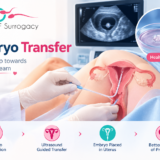
Embryo Culture and Transfer- After the completion of mixing gametes, they are cultured under a controlled environment upto the blastocyst stage. After that, they are transferred to the body of the female for further development. It is assisted with many screening procedures for safeguarding embryos after insertion into the female body.

Post-Luteal Support- Post-luteal phase requires proper medicines and nutrition. Because the progesterone requirement is more for upto growth of the trophoblast. The procedure is also assisted with multiple screenings. After the development of the foetus then it is regarded as a complete procedure.

Where is the Cheapest Surrogacy in Kolkata?

Surrogacy is cheapest in Delhi, for Indian couples too. Go For Surrogacy Services provides an exclusive list on all types of matters. Certain factors can increase surrogacy costs in India. These are:

  1. Both parties should know about legal responsibilities, and the mother should be hired by the intended parents.
  2. Surrogacy mother cost in India is separated from the budget in case of the above condition.
  3. Donor assistance, if needed then it will cost more.
  4. If there is a C-section delivery at the time of childbirth birth then the surrogate mother may increase prices.
  5. Failure of the IVF procedure or any other health aspect of the surrogate mother could increase surrogacy costs in India.

Best Surrogacy Clinic in Kolkata- Surrogacy & IVF Clinics in Kolkata

Surrogacy clinic in Kolkata has perfect environment. Our first choice is World Fertility Services. There are many other clinics like Select IVF and We Care Health Services working exclusively with foreign and Indian parents. Over time, Surrogacy became a viable option, and it is compatible for Indian parents to take surrogacy in the same country because of certain regulations:

Kolkata is home to some of the best surrogacy centres in India, offering world-class fertility care under the guidelines of the Surrogacy (Regulation) Act, 2021. These centres are equipped with advanced IVF labs, experienced fertility specialists, and dedicated legal teams to ensure a smooth and ethical surrogacy journey.

Known for high success rates, personalised treatment, and compassionate care, these clinics support intended parents throughout the process. Surrogacy in Kolkata is ideal for Indian couples facing medical infertility, thanks to affordable costs and comprehensive medical services that comply with all legal and medical standards of the country.

Clinic Name Area/Location
Ghosh Dastidar Institute for Fertility Research Rash Behari Avenue
Indira IVF Fertility Centre Salt Lake
Nova IVF Fertility Centre Shakespeare Sarani
URVARAA IVF Clinic Hazra
Sparsha Infertility Centre Madhyamgram
Cradle Fertility Centre Bhawanipur
Genome – The Fertility Centre Salt Lake, Sector V
Care IVF Minto Park
Institute of Human Reproduction Park Street
Sree Fertility and IVF Centre New Alipore

Surrogacy Cost In Kolkata

Surrogacy is a tough procedure in itself and requires simultaneous growth and development of the foetal stage. Different factors affect this growth rate, and sometimes it is needed to repeat the whole cycle, which is costly too. Now moving to the next section is the ‘cost of surrogacy in India’, but every IVF clinic is now checking for legal responsibilities. So, be sure to complete them.

Surrogacy cost in India differs in different cities. According to Go For Surrogacy, here is the price list:

Procedure / Service Estimated Cost (INR)
Initial Consultation & Medical Tests ₹10,000 – ₹25,000
IVF Procedure (Egg Retrieval + Embryo Creation) ₹80,000 – ₹1,50,000
Embryo Transfer into Surrogate ₹30,000 – ₹50,000
Surrogate Screening & Health Tests ₹15,000 – ₹30,000
Antenatal Care & Monitoring ₹1,00,000 – ₹1,50,000
Delivery (Normal or C-Section) ₹60,000 – ₹1,20,000
Legal Documentation & Court Fee ₹30,000 – ₹70,000
Surrogate Insurance (Mandatory) ₹50,000 – ₹1,00,000
Total Estimated Cost ₹3,50,000 – ₹6,00,000

Factors Affecting the Cost of Surrogacy in Kolkata

In India, Medical experts are handling worldwide cases of IVF and Surrogacy. In recent years, the success rate of Indian surrogacy has increased and attracted the attention of many foreign populations. Sometimes they are directly referred to Indian doctors. Some other popular factors involved in surrogacy are:

  1. Complexities of medical procedures are caused by patient health and age.
  2. Prices of surrogates to rent their womb.
  3. Location or individual doctor demand.
  4. Genetic testing or genetic issues.
  5. Ectopic pregnancies and hormonal imbalance.
  6. Cysts and fibroids in the uterus.
  7. Legal and ethical considerations.

Go For Surrogacy: Best Fertility Clinic In Kolkata

Choosing the right platform for IVF and surrogacy is critical, especially when your hopes and dreams of parenthood rest on the journey. Go For Surrogacy has emerged as a trusted name across India, known for its transparent guidance, ethical approach, and highly personalised support throughout the surrogacy and IVF process. Whether you’re looking for surrogacy in Kolkata or exploring assisted reproductive solutions elsewhere, Go For Surrogacy offers unmatched care and clarity.

Trusted Expertise in IVF Treatment

Go For Surrogacy works with some of the most experienced fertility specialists, embryologists, and IVF centres in India. Their network of clinics is equipped with the latest reproductive technologies, including ICSI, IUI, and advanced IVF procedures. Each IVF cycle is customised based on the couple’s health profile, age, medical history, and fertility goals.

What makes them stand out is not just the medical efficiency but the emotional sensitivity they bring. They understand that IVF is more than a medical procedure—it’s a deeply personal journey filled with hope, anxiety, and dreams. With Go For Surrogacy, couples receive one-on-one counselling and transparent updates at every stage of treatment.

Leading Platform for Legal & Ethical Surrogacy

When it comes to surrogacy, especially under India’s strict legal guidelines, Go For Surrogacy ensures complete compliance with the Surrogacy (Regulation) Act, 2021. They facilitate altruistic gestational surrogacy for eligible Indian couples by connecting them with thoroughly screened, medically fit, and emotionally prepared surrogate mothers.

They manage every aspect, right from legal paperwork and medical screening to surrogate insurance and delivery planning. Their partnerships with top-rated surrogacy clinics make the process not only streamlined but also cost-effective.

If you’re considering surrogacy in Kolkata, Go For Surrogacy partners with reputed fertility centres in areas like Salt Lake, Park Street, and New Alipore—ensuring convenience, quality, and complete legal protection.

Success Rate of Go IVF Surrogacy 

Go For Surrogacy boasts an impressive success rate of over 75%, making it one of the most reliable choices for couples seeking IVF and surrogacy services. With expert fertility specialists, advanced lab technologies, and personalised care, the platform consistently delivers positive outcomes.

Their well-coordinated process, from embryo transfer to delivery, ensures high success in both IVF and gestational surrogacy. This exceptional success rate brings hope and confidence to intended parents, especially those considering surrogacy in Kolkata or other major Indian cities.

Transparent and Affordable Packages

Go For Surrogacy is known for its ethical pricing. There are no hidden charges, and all packages are structured to meet the Surrogacy Act’s guidelines. Costs are itemised, covering IVF, surrogate care, delivery, insurance, and legal services. This clarity builds trust and allows intended parents to plan financially without surprises or stress.

Additionally, financial counselling is provided to help couples explore options such as EMI, phased payments, or medical insurance claims, wherever applicable.

Personalised Support at Every Step

From the first call to the moment the baby is born, Go For Surrogacy stays by your side. A dedicated case manager is assigned to each couple, ensuring all queries are addressed promptly. They also provide emotional support, which is often overlooked but incredibly valuable during fertility treatment or a surrogacy journey.

Frequently Asked Questions:

  • Is surrogacy possible without IVF?

Ans. Surrogacy without IVF is not generally practiced or legally allowed in India. Traditional surrogacy, where the surrogate uses her own egg and is impregnated through artificial insemination, does not involve IVF but is banned under Indian law. Only gestational surrogacy is permitted, which requires IVF to create an embryo from the intended parents’ or donors’ gametes. The embryo is then implanted into the surrogate’s uterus. Therefore, in the context of legal surrogacy in Kolkata and across India, IVF is an essential and mandatory part of the process.

  • How much does IVF cost in Kolkata?

Ans. The cost of IVF in Kolkata typically ranges between ₹1,20,000 to ₹1,80,000 per cycle, depending on the clinic, treatment complexity, and medications used. This cost usually includes consultations, ultrasound monitoring, egg retrieval, fertilisation, and embryo transfer. However, additional procedures like ICSI, donor eggs, or embryo freezing can increase the total cost. Many reputed clinics in Kolkata offer affordable and transparent IVF packages, making the city a preferred destination for fertility treatment. With skilled specialists and modern facilities, IVF in Kolkata offers high success rates at a reasonable price point.

  • Is surrogacy legal in West Bengal?

Ans. Yes, surrogacy is legal in West Bengal, strictly following India’s Surrogacy (Regulation) Act, 2021 and the ART (Regulation) Act. Only altruistic gestational surrogacy is allowed—traditional and commercial surrogacy are banned, with violations punishable by up to 10 years in prison and ₹10 lakh fines. Only Indian heterosexual couples (married ≥ 5 years, wife aged 23–50, husband 26–55) or single, widowed/divorced women (35–45) with certified medical infertility can opt for surrogacy. Clinics must be state-registered; in West Bengal, only pre-listed and approved facilities can offer surrogacy.

  • Is paid surrogacy legal in India?

Ans. Paid surrogacy or commercial surrogacy is not legal in India. Under the Surrogacy (Regulation) Act, 2021, only altruistic surrogacy is allowed, where the surrogate mother cannot receive any financial compensation except for medical expenses and insurance coverage. This law was introduced to prevent the exploitation of poor or vulnerable women and to ensure that surrogacy remains an ethical, family-driven process. Offering or accepting money beyond permitted expenses is considered a criminal offence. Therefore, any form of commercial or paid surrogacy in India is strictly banned and punishable by law.

  • How did Karan Johar have kids?

Ans. Karan Johar became a father through gestational surrogacy, a legal and medically assisted process where another woman carries a child that is not biologically hers. In his case, both children—Yash and Roohi—were born in 2017. The embryos were created using IVF, with donor eggs and Karan’s sperm, and then implanted into the surrogate. He has openly spoken about his decision, saying he always wanted to be a parent and felt emotionally ready to take on that role alone.

What’s important is that this was a carefully planned process under full medical and legal supervision. It reflects how surrogacy can be a meaningful option for single parents or those who may not follow traditional paths to parenthood.


Surrogacy-for-Second-Child-1200x675.png

Surrogacy for Second Child

Surrogacy for Second Child is as easy as the first one, and there are various Clinics in India, which are supporting the IVF or Surrogacy procedure. There are two types of surrogacy procedures, namely traditional surrogacy and gestational surrogacy, based on the procedure. The two other surrogacy are altruistic and commercial surrogacy.

In India, gestational altruistic surrogacy is legal and performed widely with proper documentation and ethical considerations. India was once a surrogacy hub, but because of the exploitation of Women because of their reproductive ability, it is regulated with proper law. There are many questions related to surrogacy, and we will try to answer all of them.

What is the Surrogacy procedure?

Surrogacy procedure is a medical and legal process where a woman (the surrogate) carries and delivers a baby for another individual or couple (intended parents). It begins with legal agreements to protect all parties. Then, through in vitro fertilisation (IVF), an embryo created using the intended parents’ or donors’ sperm and egg is implanted into the surrogate’s uterus. The surrogate undergoes regular check-ups throughout the pregnancy. After birth, the baby is handed over to the intended parents. Surrogacy is often chosen by couples facing infertility, same-sex couples, or individuals unable to carry a pregnancy themselves.

Types of Surrogacy Procedure

Surrogacy seems to be practised widely, but it is regulated in most Asian countries. European countries give an independent structure of surrogacy, but they are not affordable for a middle-class family. On the other hand, surrogacy procedures can vary based on medical and legal arrangements. The four main types include gestational, traditional, altruistic, and commercial surrogacy. Each involves different biological, ethical, and financial considerations depending on the needs of the intended parents and surrogate. Here is the whole scenario of the types and implementation of surrogacy cases.

Gestational Surrogacy

In this method, the surrogate has no genetic link to the child. An embryo is created via IVF using the intended parents’ or donor gametes and implanted into the surrogate’s uterus. It’s the most commonly practised and legally accepted form today.

Traditional Surrogacy

Here, the surrogate is the biological mother of the child, as her egg is used for conception, typically through artificial insemination. This method is less common due to complex legal and emotional implications regarding parental rights and custody.

Altruistic Surrogacy

In altruistic surrogacy, the surrogate does not receive financial compensation beyond medical expenses. Often arranged within families or close social circles, it is legally permitted in countries like India under strict regulations to prevent exploitation.

Commercial Surrogacy

Commercial surrogacy involves paying the surrogate for her role beyond medical costs. Though widely practised in some countries, it is restricted or banned in others due to ethical concerns. India banned commercial surrogacy in 2021 to promote ethical practices.

Who Needs Second Surrogacy?

Second surrogacy is often considered by intended parents who wish to expand their family after a successful first surrogacy. It may also be necessary if the initial attempt failed or if complications prevented embryo implantation or pregnancy. Couples with remaining frozen embryos or those with consistent fertility challenges may choose a second journey.

Medical advice, emotional readiness, and legal clarity are crucial before proceeding. Second surrogacy offers hope and continuity for families growing through assisted reproductive technology, especially in countries where gay surrogacy and regulated surrogacy practices are permitted.

  • Previous surrogacy was successful, and the parents want another child.
  • Remaining frozen embryos from the first IVF cycle.
  • Medical conditions still prevent carrying a pregnancy.
  • First surrogate cycle failed or ended in miscarriage.
  • Single parents or LGBTQ+ couples planning to build a larger family.
  • Adoption is not preferred or is not legally viable.
  • Positive experience with surrogacy and a known surrogate available.

There are different types of complications, like early death or congenital diseases of the child. In case of the intended parents who have severe issues in reproductive health and can’t give birth, try to expand their family in different ways.

Which Surrogacy is Legal in India?

In India, only altruistic gestational surrogacy is legal under the Surrogacy (Regulation) Act, 2021. Commercial surrogacy is strictly prohibited, meaning the surrogate cannot receive any payment beyond medical expenses and insurance. Based on the performing procedure, gestational surrogacy is allowed.

Some specific rules are mentioned to follow strictly at the time of surrogacy:

  • Intended parents must be a legally married Indian couple (5+ years) aged 23–50 years (wife) and 26–55 years (husband), with proven infertility.
  • Only a close relative, aged 25–35 years, married with a child of her own, can act as a surrogate, and only once in her lifetime.

Ban On Commercial Surrogacy

India’s current surrogacy framework emphasises ethical practice and protects both surrogate mothers and intended parents while excluding commercial arrangements and non-traditional family structures. Paying a surrogate beyond medical and insurance costs is illegal. Violators face imprisonment up to 10 years and fines up to ₹10 lakhs. Foreigners, LGBTQ+ couples, live-in pairs, single men, and unmarried individuals are currently not eligible to use surrogacy in India.

Why is Traditional Surrogacy Illegal in India?

Traditional surrogacy is illegal in India because it involves the surrogate being genetically related to the child, which raises serious issues in legal, emotional, and ethical concerns. The Indian government has restricted this form to avoid complications over parental rights, inheritance issues, and possible disputes after birth.

Since the surrogate mother uses her egg, it becomes difficult to clearly define legal motherhood, especially in cases of disagreement. To protect all parties and ensure clarity, only gestational, altruistic surrogacy—where the surrogate has no genetic link to the baby—is legally allowed under the Surrogacy (Regulation) Act, 2021. Also, A clear agreement is made between the surrogate and the intended parents.

Traditional Surrogacy Vs Gestational Surrogacy

There is a procedural difference between gestational surrogacy and traditional surrogacy. The traditional surrogacy name was based on the simplified IVF cycle, sometimes the semen of the male is directly administered into the reproductive tract of the female. This shows that it could raise ethical considerations, and gestational surrogacy is a completely safe procedure for both surrogates and the intended parents.

Gestational surrogacy involves implanting an embryo created using the intended parents’ or donors’ egg and sperm into the surrogate’s uterus. In this case, the surrogate has no genetic link to the child. It is the only legally accepted form in India.

Traditional surrogacy, on the other hand, uses the surrogate’s egg, making her the biological mother. Fertilisation usually happens through intrauterine insemination (IUI) with the intended father’s or donor’s sperm. This method is not legal in India due to ethical and legal complexities.

Aspect Gestational Surrogacy Traditional Surrogacy
Genetic Link No genetic link to surrogate Surrogate is the biological mother
Egg Used Intended mother’s or donor’s egg Surrogate’s egg
Fertilization Method IVF (In Vitro Fertilisation) IUI (Intrauterine Insemination)
Legal Status in India Legal (Altruistic only) Illegal
Emotional/Legal Risk Lower risk of parental disputes Higher risk of emotional/legal complications
Common Use Widely used internationally Rare and discouraged due to legal concerns

Surrogacy for Second Child -Surrogacy for a baby boy

Surrogacy for a second Child is a voluntary procedure for the intended Parents. It shows different aspects, like the trust of the parents in the surrogacy procedure. For some, it’s about giving a sibling to their child. For others, it’s simply about expanding love. People also want a specific gender through surrogacy, like choosing a baby boy for the second time ( Conservative Parents).

As long as it’s entered with clarity, care, and consent, especially respecting the surrogate’s well-being, it is an acceptable procedure.

You can also choose gender through pre-implantation genetic testing, which also gives more choice to the parents, like which genes you want to pass to your child.

Now, when the desire leans toward surrogacy for a baby boy, it enters more sensitive territory. Wanting a boy isn’t wrong—many cultures tie dreams, lineage, or emotional completeness to the idea of a son. But ethically and spiritually, the heart must ask: Do I want a child, or a gendered idea of one?

Gender-selective surrogacy is illegal in many countries, including India, and for good reason. Every child—boy or girl—is a soul, not a slot to fill. That said, if the intention is pure, grounded in love and not pressure or bias, I believe every surrogacy journey—first or second—has the right to be honoured.

Can I Choose Gender of the Surrogate Child?

In many countries, including India, choosing the gender of a surrogate child is not legally permitted. The Pre-Conception and Pre-Natal Diagnostic Techniques (PCPNDT) Act strictly prohibits sex selection before or after conception to prevent gender-based discrimination. During surrogacy, especially in India, clinics and intended parents must follow legal protocols that do not allow embryo selection based on gender. The technology is also present in India for giving birth based on the chosen gender.

However, in some countries like the United States, gender selection is allowed through Preimplantation Genetic Testing (PGT) during IVF, usually for medical reasons or family balancing. If gender preference is important, intended parents must carefully choose a country where it’s legal. Regardless, ethical considerations and love for the child—regardless of gender—should guide every surrogacy decision above all else.

Can You Have Twins Through Surrogacy?

You can have twins through surrogacy, and it’s often the result of transferring multiple embryos during the IVF process. Some intended parents choose this to increase the chances of pregnancy, and sometimes both embryos implant successfully, resulting in twins. However, twin pregnancies come with higher medical risks for the surrogate, such as preterm labour, gestational diabetes, or delivery complications.

Because of this, many fertility specialists recommend transferring a single embryo for a safer journey. Still, if twins are desired and medically feasible, it can be planned with the clinic’s guidance. In countries like India, ethical and medical guidelines must be followed closely. Twins through surrogacy can be a beautiful blessing, but one that requires extra care and responsibility.

Surrogacy Process: Step-by-Step Procedure of Surrogacy

Surrogacy is a structured process involving legal, medical, and emotional steps to help intended parents have a child through a surrogate. The journey includes screening, legal contracts, IVF, embryo transfer, pregnancy care, and handing over the baby after birth. Each stage is carefully planned to protect the rights and health of both the surrogate and the intended parents. Below is the full step-by-step surrogacy process.

Initial Consultation and Medical Evaluation

The intended parents consult a fertility specialist. The surrogate also undergoes physical and psychological screening to ensure she’s medically fit and emotionally prepared for the journey. In this procedure decision to choose surrogacy and a surrogate is completed.

Legal Agreement

Both parties sign a legal contract outlining responsibilities, rights, medical decisions, and parental status. This agreement ensures clarity and legal protection for everyone involved in the surrogacy procedure.

IVF and Embryo Creation

Eggs and sperm are collected from the intended parents (Gestational Surrogacy) or donors. Using in vitro fertilization (IVF), embryos are created in a lab and monitored for quality.

Embryo Transfer to Surrogate

A selected embryo (based on its strength and growth) is transferred to the surrogate’s uterus. She then follows a strict medical protocol to support implantation and early pregnancy.

Pregnancy Monitoring and Care

Regular check-ups, ultrasounds, and medical care are provided throughout the surrogate’s pregnancy. Emotional and physical support is crucial during this stage.

Delivery and Handover of Baby

After birth, the baby is handed over to the intended parents as per the legal agreement. Postnatal care is provided for the surrogate, and the child is officially registered with the intended parents.

Cost of Second Surrogacy in India

The cost of surrogacy for second child in India is similar to the first and generally ranges between ₹13 to ₹18 lakhs, depending on factors like clinic, surrogate compensation (if applicable), IVF cycles, and legal fees. If the intended parents already have frozen embryos from a previous cycle, the cost may be lower.

Costs include medical screening, embryo transfer, surrogate care, delivery charges, and postnatal support. India allows only altruistic surrogacy, so payment is limited to medical expenses and insurance. Legal documentation, especially for second-time parents, is essential for a smooth and transparent process.

Procedure Estimated Cost (INR)
Medical & Psychological Screening ₹30,000 – ₹50,000
Legal Documentation & Agreements ₹60,000 – ₹1,00,000
IVF Cycle / Embryo Transfer ₹1,50,000 – ₹2,50,000
Surrogate Prenatal & Delivery Care ₹4,00,000 – ₹6,00,000
Insurance & Postnatal Support ₹1,00,000 – ₹1,50,000
Total Estimated Package ₹13,00,000 – ₹18,00,000

Factors Affecting Surrogacy Cost in India

The cost of surrogacy in India varies depending on several important factors. One of the biggest cost determinants is the type and number of IVF cycles required. If multiple cycles are needed, this increases the total expense.

The cost also depends on whether donor eggs or sperm are used, and whether the embryos are already available or need to be created afresh. Legal documentation, medical screening, surrogate care, hospital delivery charges, and postnatal support all add to the final package. Geographic location, clinic reputation, and the quality of medical infrastructure also influence the pricing.

Additionally, any required freezing or storage of embryos, as well as insurance and surrogate support, are part of the financial considerations. While India offers one of the most affordable surrogacy options globally, it is crucial that intended parents budget for the complete journey, from medical to legal to emotional care. Go IVF Surrogacy ensures transparency and guides parents through each step with clarity.

Best Clinics for Surrogacy in India

India is home to some of the most trusted and advanced clinics for surrogacy, especially under the strict regulations of altruistic procedures. These clinics are known for high IVF success rates, experienced fertility specialists, ethical practices, and emotional support for intended parents and surrogates.

Many also offer end-to-end services, including legal guidance, donor programs, and embryo freezing. From metro cities like Delhi, Mumbai, and Bangalore to leading centres in Hyderabad and Chennai, India’s best surrogacy clinics offer compassionate, affordable, and world-class fertility care.

Surrogacy for a second child in India is becoming more common among couples who previously had a positive experience. With trusted clinics and legal frameworks in place, intended parents feel more confident choosing surrogacy again to lovingly grow their families.

Clinic Name City
Indira IVF Delhi (multiple cities)
Nova IVF Fertility Mumbai
Milann Fertility Centre Bangalore
BLK-Max Super Speciality Hospital Delhi
Apollo Fertility Hyderabad
Cloudnine Fertility Gurgaon
Fortis Bloom IVF Centre Delhi/Mumbai
GarbhaGudi IVF Centre Bangalore
Max Healthcare IVF Delhi
Oasis Fertility Hyderabad
Medicover Fertility Noida
International Fertility Centre Delhi
Jananam Fertility Centre Chennai
Gaudium IVF & Gynae Solutions Delhi
Morpheus IVF Pune

We Care Health Services For Second Child Surrogacy

Go IVF Surrogacy has emerged as one of the most reliable and ethical platforms for individuals and couples seeking fertility solutions. With a solid foundation built on medical expertise, compassion, and transparency, the organisation offers both surrogacy and IVF treatments under one roof. Whether it’s a first-time hopeful parent or someone considering surrogacy for a second child in India, Go IVF Surrogacy brings together the best doctors, legal experts, and support teams to ensure a safe and successful journey.

Comprehensive Fertility Services in One Place

What makes Go IVF Surrogacy a standout choice is its commitment to offering comprehensive fertility services, from initial consultation and fertility assessment to embryo transfer, legal formalities, and post-birth care. Intended parents do not need to navigate multiple clinics, agencies, or lawyers. Everything is streamlined within their carefully designed ecosystem. Their experience with both domestic and international patients makes them skilled in handling complex cases with clarity and confidence. Each case is personalised, understanding the emotional and physical depth involved in the process.

Ethical, Legal, and Transparent Practices

In the wake of India’s updated surrogacy laws, Go IVF Surrogacy has positioned itself as a fully compliant and ethically sound facilitator. They offer altruistic surrogacy following the Surrogacy (Regulation) Act, 2021, ensuring that every agreement and procedure is legally validated. Their legal team assists intended parents in handling documentation, ensuring parental rights, and complying with every step required by Indian authorities. Unlike commercial setups that often function in a grey zone, Go IVF Surrogacy prioritises safety, lawfulness, and long-term peace of mind.

High IVF Success Rates and Medical Expertise

Go IVF Surrogacy partners with some of the most renowned fertility specialists and IVF centres in India. Their medical team uses advanced technologies in IVF, ICSI, and embryo freezing to improve success rates. For patients using surrogacy, IVF quality is crucial, and Go IVF Surrogacy ensures only top-grade embryos are transferred to maximise the chances of a healthy pregnancy. Their clinics are equipped with state-of-the-art laboratories and offer transparent updates on embryo development, implantation, and surrogate health.

Emotional Support and Human Touch

What truly sets Go IVF Surrogacy apart is the emotional support they offer throughout the journey. Surrogacy and IVF are not just medical procedures—they are emotional lifelines for many. The team provides dedicated coordinators who walk with the intended parents step by step, addressing concerns, arranging appointments, and offering guidance during moments of stress or uncertainty. Their warmth and professionalism make the often overwhelming process feel hopeful and human.

A Leading Choice for Intended Parents

Whether you’re a couple struggling with infertility, a single parent, or someone considering surrogacy for a second child in India, Go IVF Surrogacy stands as a trusted guide. With proven success, compassionate care, legal transparency, and medical excellence, it remains one of the best options in the country. For anyone dreaming of holding a baby in their arms, this is a path where science meets soul, and dreams find a way home.

Frequently Asked Questions:

  • Is surrogacy legal in India for foreigners?

Ans. Surrogacy in India is not legal for foreign nationals. Since 2015, the Indian government has restricted commercial surrogacy, and the Surrogacy (Regulation) Act, 2021 allows only altruistic surrogacy. This means only Indian citizens, including NRIs, OCIs, and PIOs, can opt for it, and only with a close relative as the surrogate. Foreigners are completely barred from accessing surrogacy services in the country. The law aims to prevent exploitation and ensure ethical practices. While earlier cases were permitted under special visas, no new surrogacy arrangements are allowed for foreign couples, regardless of their relationship status or medical need.

  • What is Rule 7 of surrogacy in India?

Ans. Rule 7 of the Surrogacy (Regulation) Rules, 2022—revised in March 2023—defines the consent form and gamete-use restrictions for surrogacy arrangements:

  • It mandates that the surrogate mother’s consent must be documented using Form 2, which explicitly details the agreements and the medical treatments involved.
  • It prohibits the use of donor gametes by intending couples—insisting both egg and sperm must come from the couple—while allowing a single woman (widow/divorcee) to use her own egg and donor sperm.
  • This rule aimed to ensure genetic linkage to the parents, though it has since drawn legal challenges and court interventions.
  • Can you have another baby after being a surrogate?

Ans. Yes, a woman can have another baby after being a surrogate, provided she is physically and emotionally healthy. Surrogacy does not typically affect fertility, especially if the pregnancy and delivery were without complications. Doctors usually advise waiting for several months before trying to conceive again to allow the body to recover fully. Future pregnancies, whether for personal or surrogate reasons, should always be planned under medical guidance to ensure the well-being of both the mother and the baby.

  • How many times can you do surrogacy?

Ans. In India, as per the Surrogacy (Regulation) Act, 2021, a woman can be a surrogate only once in her lifetime. This rule aims to protect the health and well-being of the surrogate mother and ensure the ethical use of surrogacy. The surrogate must be a married woman aged between 25 and 35 years, with at least one biological child of her own. Exceptions or repeat surrogacy are not allowed under current laws, even if the previous surrogacy was smooth. Medical boards and authorities strictly monitor these conditions to prevent exploitation and ensure responsible surrogacy practices.

  • Is surrogacy 100% your child?

Ans. Yes, in gestational surrogacy—which is the only legal form in India under the Surrogacy (Regulation) Act, 2021—the child is 100% genetically related to the intended parents, provided both the egg and sperm come from them. The surrogate mother does not contribute her eggs, so she has no biological connection to the baby. This ensures that the child is legally and genetically the couple’s own. However, in exceptional medical cases (like for a single woman), donor sperm may be used. Still, the child remains legally hers, with no rights granted to the surrogate once the baby is born.

  • Is Second Surrogacy the same as first Surrogacy?

Ans.  Second surrogacy may seem similar to the first, but each journey can be quite different. While the medical process remains largely the same—hormonal treatments, embryo transfer, and prenatal care—emotional, physical, and legal experiences can vary. A surrogate may face different health responses or emotional attachments the second time. In India, however, second surrogacy is not permitted by law; a woman can be a surrogate only once under the Surrogacy (Regulation) Act, 2021. For intended parents, the second journey may feel more familiar, but expectations, costs, and outcomes still depend on individual circumstances and health factors.


Gay-Surrogacy-1200x675.png

Gay Surrogacy

Surrogacy is a perfect solution for many intended parents. Gay surrogacy is restricted in many countries, but some still offer options for such couples. More or less, the society and acceptance of such relations are responsible for such rules in regulations. Asian countries like India, Nepal and Kazakhstan were affordable options for surrogacy, but Gay Surrogacy is not allowed in these countries.

In recent years, more countries have opened to the surrogacy option, and some are still considering their approach towards it. It is a complete commercial surrogacy, and altruistic cases are very few because intended couples can’t arrange any women from relatives or friends who accept surrogacy without expenses.

Which country is the easiest for surrogacy?

The easiest country for surrogacy depends on the legal clarity of surrogacy laws, cost, and access for international intended parents. Georgia is often considered one of the most surrogacy-friendly countries because of its clear laws, affordable costs, and efficient legal procedures. Now problem it is only offering legal surrogacy procedures to heterosexual married couples. Legal parenthood from surrogacy birth and smooth exit processes is only for international families.

Ukraine is currently restricted due to conflict. Mexico allows surrogacy in certain states, like Tabasco and Sinaloa also offer supportive surrogacy frameworks. Meanwhile, the United States provides legally secure and inclusive options, including for LGBTQ+ and single parents, but at a significantly higher cost.

India was once the global surrogacy hub, but now permits only altruistic surrogacy for Indian married couples and international married couples. Commercial surrogacy is restricted, and a cost-effective solution is provided.

Which country allows surrogacy for foreigners?

Surrogacy for Foreigners is allowed in many countries, but with some strict rules and regulations. These rules mostly prohibit same-sex couples of LGBTQ. Several countries allow surrogacy for foreigners, but only a few offer clear legal protection. Georgia, Mexico (in select states), Colombia, and some U.S. states are popular destinations.

These countries provide legal parenthood rights and relatively smooth processes for international couples. However, eligibility criteria vary, such as marital status or sexual orientation, so intended parents should research laws and consult experts before beginning the journey.

  • Georgia: Allows surrogacy for heterosexual married couples; offers legal parenthood from birth.
  • Mexico: Legal in states like Tabasco and Sinaloa; open to foreigners, including singles and LGBTQ+.
  • Colombia: No legal ban; inclusive to foreigners and LGBTQ+ couples; affordable and growing in popularity.
  • United States: Surrogacy-friendly in many states; highly inclusive but costly.
  • Ukraine: Was open to foreigners before the war; now limited due to safety concerns.

What countries allow commercial surrogacy?

Commercial surrogacy was allowed in India in the previous decade, but because of the exploitation of such facilities, India has prohibited Commercial surrogacy. Most of the developing nations are still open to commercial surrogacy and making it easy for LGBTQ couples. Countries in Europe are special in this list; Asian countries also have links to surrogacy and birth, with some religious factors.

Commercial surrogacy is legally permitted in several countries where surrogates are compensated beyond medical expenses. The United States leads with well-regulated, inclusive laws across many states. Georgia, Mexico (in certain states), Colombia, Russia, Ukraine, and Kazakhstan also allow commercial surrogacy, though eligibility varies.

Most of these countries restrict access to heterosexual couples, while others are more inclusive. Legal clarity, affordability, and surrogate rights differ by country, so intended parents must research thoroughly and consult professionals before choosing a destination for their surrogacy journey.

Country Eligibility for Foreigners Surrogacy Type Allowed
United States Yes Commercial & Altruistic
Georgia Yes (heterosexual couples) Commercial
Mexico Yes (varies by state) Commercial & Altruistic
Colombia Yes Commercial (not explicitly banned)
Russia Yes (heterosexual couples) Commercial
Ukraine Yes (currently restricted) Commercial
Kazakhstan Yes (heterosexual couples) Commercial

Surrogacy for Gay Couples: Countries

Gay surrogacy involves different laws and regulations. They come into action at the national level and it is applied not to commercially exploit the reproductive abilities of any person or to save intended parents from types of fraud.

Surrogacy is legally available for gay couples in several developed countries with the inclusion of laws. In the United States, Canada, and Mexico, some specific states are open to surrogacy. In Colombia and Australia, some regions are allowing commercial surrogacy for same-sex couples. Legal clarity, eligibility, and costs vary by country, so careful planning is crucial for couples.

These countries typically offer parental rights at birth and access to both altruistic and commercial surrogacy options. Legal guidance is recommended to ensure smooth transitions and protect all parties involved.

Country Type of Surrogacy Eligibility for Gay Couples
United States Commercial & Altruistic Allowed
Canada Altruistic Only Allowed
Mexico Commercial (in select states) Allowed
Colombia Commercial (not banned) Allowed
Australia Altruistic Only Allowed in some states

Legal Procedure of Surrogacy for Gay Couples

Surrogacy is a method where a woman (the surrogate) carries and delivers a baby for another individual or couple (the intended parents). It is often chosen when pregnancy isn’t medically or biologically possible for the intended parent(s).

There are two main types:

  • Gestational Surrogacy (modern and most common): Embryo is created using the intended parents’ or donors’ egg/sperm and implanted into the surrogate. She has no genetic link to the child.
  • Traditional Surrogacy (rare): The surrogate’s egg is used, making her the biological mother.

Medical Evaluation of Patients

For gay couples, the surrogacy process begins with a consultation at a fertility clinic or through a surrogacy agency. Both partners undergo medical screenings, semen analysis, and infectious disease tests. If using an egg donor, she is also medically evaluated. The clinic will help assess sperm quality, egg donor options, and readiness to proceed with IVF. Emotional readiness and commitment to the journey are also discussed.

Selecting an Egg Donor and Surrogate

Since gay couples typically require both a surrogate and an egg donor, this step involves two selections. Egg donors may be anonymous or known, and are chosen based on health, genetics, and personal preferences. Surrogates are medically and psychologically screened and matched with the couple through an agency. Compatibility, trust, and clear communication between all parties are essential to a healthy journey.

Legal Agreements for Gay Surrogacy

Legal contracts are essential in gay surrogacy to protect all parties and establish parental rights. These agreements outline surrogate compensation, medical responsibilities, the role of the egg donor (if applicable), and the intended parents’ legal rights. In LGBTQ+-friendly countries like the U.S., Canada, Mexico (select states), and Colombia, laws are designed to support same-sex couples through this process. Each party should have independent legal counsel.

IVF and Embryo Creation

The IVF process begins with fertilisation of donor eggs using the sperm of one or both partners. Some couples choose to create embryos using both partners’ sperm to have genetic ties to twins. After fertilisation, the embryos are cultured and possibly genetically tested. Healthy embryos are then frozen or scheduled for immediate transfer into the surrogate’s uterus.

Embryo Transfer to the Surrogate

The surrogate’s menstrual cycle is synchronised using hormone therapy to prepare her uterus. Once ready, one or more embryos are carefully transferred to her uterus using a catheter. The procedure is painless and takes just a few minutes. A pregnancy test is performed 10–14 days later to confirm implantation. The success rate depends on embryo quality, the surrogate’s health, and the clinic’s standards.

Monitoring the Surrogate’s Pregnancy

Once pregnancy is confirmed, the surrogate receives ongoing prenatal care. Intended parents are often involved through video calls, appointment updates, and sometimes in-person visits. Emotional support is encouraged for both the surrogate and the parents. In many cases, a healthy, communicative relationship forms between both sides, grounded in mutual respect and gratitude.

Birth and Baby Handover

As the due date nears, a birth plan is developed together. Gay couples may be present during delivery and participate in early bonding with their baby. Once the baby is born, the child is handed over to the intended parents. The surrogate receives postnatal care, while the parents begin their new chapter. This is an emotionally rich and often overwhelming moment of joy, love, and completion.

Legal Finalisation of Parenthood

After birth, the legal process ensures the gay couple is fully recognised as the baby’s parents. In countries like the U.S. and Colombia, their names can be placed directly on the birth certificate. In other countries, a court or adoption process may be needed. The legal team ensures a seamless transition of parental rights and citizenship (if cross-border surrogacy is involved).

Where is surrogacy legal in Europe?

Surrogacy is legal in many European countries, but Gay surrogacy is legal in a few, like the US, Mexico and Australia. Surrogacy laws in Europe vary widely, with only a few countries allowing it legally. Ukraine and Georgia are among the most surrogacy-friendly nations, permitting commercial surrogacy for heterosexual, married or de facto couples. Greece also allows altruistic surrogacy for both citizens and foreigners under strict legal guidelines and court approvals.

In the United Kingdom, altruistic surrogacy is legal, but commercial surrogacy is banned, and legal parenthood must be transferred after birth through a parental order. Portugal, Belgium, and the Netherlands permit altruistic surrogacy under regulated conditions.

Many countries, including France, Germany, Italy, and Spain, prohibit all forms of surrogacy, citing ethical concerns. In some nations, like Sweden and Norway, the laws are unclear or prohibit surrogacy even for citizens abroad.

Because of these inconsistencies, many intended parents in Europe seek surrogacy services in countries with more favourable legal frameworks and clearer regulations.

Cost of Gay Surrogacy in European Countries: Affordable Surrogacy for Gay Couples

The cost of the gay surrogacy procedure is high because of the complete commercial arrangements. There are also external factors that affect the cost of surrogacy, like the age of the surrogate female and the expertise of the doctors, and the number of IVF cycles. Apart from the cost, European countries are known for several benefits, like legal procedure and regulated procedure.

Surrogacy for married heterosexual couples is very easy, but in the present time, it is hard to tackle the social issue of LGBTQ surrogacy. Singles also have choices. Here are the complete options for various categories:

Country Type of Surrogacy Eligibility Estimated Cost (USD)
Ukraine Commercial (Currently suspended for foreigners due to war) Married heterosexual couples only $35,000 – $50,000
Georgia Commercial Married heterosexual couples $40,000 – $60,000
Greece Altruistic (with compensation allowed) Citizens and legal foreign residents with court approval $70,000 – $90,000
UK Altruistic only Residents: Commercial surrogacy is banned $20,000 – $30,000 (expenses only)
Portugal Altruistic (regulated) Citizens and residents, women must be infertile $25,000 – $35,000
Netherlands Altruistic (highly regulated) Residents only; limited cases $20,000 – $30,000
Belgium Altruistic Limited cases, varies by hospital policy $20,000 – $35,000
Czech Republic Partially regulated Married heterosexual couples $40,000 – $55,000

Emotional & Psychological Journey of Gay Couples During Surrogacy

The path to parenthood through gay surrogacy is as emotional as it is logistical. While medical procedures and legalities take centre stage, the heart of this journey lies in the deep emotional connection, vulnerability, and hope that same-sex couples carry with them at every stage.

For many gay couples, the desire to become parents has long been complicated by societal norms and limited legal rights. Surrogacy offers not just a chance at biological parenthood, but also a profound healing from years of exclusion. It’s not just about having a child—it’s about building a family that reflects love, intention, and resilience.

How to Manage Psychological Journey?

From the very beginning, intended parents often experience a swirl of emotions: excitement, anxiety, gratitude, and sometimes fear. The process of selecting a surrogate and egg donor is intimate and often overwhelming. You’re not just choosing someone to carry your baby—you’re choosing someone to share one of the most sacred journeys of your life. The surrogate’s willingness, empathy, and commitment often become a powerful emotional anchor for the couple.

The bond between the intended parents and the surrogate varies from case to case, but in many stories, a deep, familial-like connection develops. Frequent check-ins, shared ultrasounds, and mutual trust create a shared emotional space that nurtures the journey. However, long-distance arrangements—especially in international surrogacy—can make this bond harder to form. In gay surrogacy countries like the U.S., Canada, and Colombia, where legal protections and agency support are stronger, these relationships tend to flourish more easily.

Answer to the Question- Will we be accepted as parents?

That said, emotional challenges are real and valid. Many gay couples grapple with internalised fears—Will we be accepted as parents? Will society embrace our child? These questions can stir anxiety and require honest, vulnerable conversations. Some face judgment from family or cultural communities, while others fear the lack of legal recognition in their home countries.

The psychological impact of waiting—especially during embryo transfers, pregnancy scans, and the birth itself—can also be intense. It’s a strange place to be: deeply involved, yet physically distant from the pregnancy. Many intended parents describe feeling helpless or even guilty for not “carrying the load,” despite their unwavering love and effort.

Yet, when the baby finally arrives, there is an overwhelming sense of awe. The years of longing, paperwork, and emotional ups and downs crystallise into something real—a family. And that’s the most powerful part of gay surrogacy: it transforms longing into life and gives same-sex couples the chance to love in one of the most complete ways possible.

Support groups, therapists familiar with LGBTQ+ parenting, and surrogacy agencies that understand the unique emotional needs of gay couples can make this journey smoother. No matter the path taken, the emotional landscape of gay surrogacy is rich, complex, and ultimately, life-affirming.

Ethical & Social Debates on LGBTQ Surrogacy

Gay surrogacy sits at the intersection of love, science, law, and human rights—but it also raises important ethical and social questions that society continues to grapple with. For LGBTQ+ couples, the opportunity to create a biological family through surrogacy can be deeply affirming. Yet, this same process is often met with resistance from cultural, political, and religious groups who question its morality.

One of the most common ethical concerns centres around the rights and welfare of the surrogate. Critics argue that surrogacy—especially when commercial—can exploit women, particularly those in economically vulnerable positions. In gay surrogacy, where male couples depend entirely on egg donors and surrogates, the criticism can be sharper. Some ask: Are women being used as mere vessels? Are they choosing this freely, or out of necessity?

Surrogate Autonomy and the Question of Exploitation

One of the most debated ethical issues in gay surrogacy is the treatment and autonomy of the surrogate. Critics argue that surrogacy can exploit women—especially those from economically disadvantaged backgrounds—turning their bodies into commodities. These concerns intensify when gay male couples, who require both an egg donor and a surrogate, are involved.

However, in many well-regulated systems—such as in the U.S. and other established gay surrogacy countries—surrogates are fully informed, legally represented, and provided with healthcare and psychological support. Many women who choose to become surrogates speak of it as an empowering experience—an opportunity to help others while supporting their own families.

Discrimination in Access to Surrogacy

Another major issue is unequal access. In many parts of the world, same-sex couples are denied the legal right to pursue surrogacy, even when it is available to heterosexual couples. This legal exclusion raises questions of fairness, equality, and human rights.

Why should a loving gay couple be barred from creating a family when straight couples are welcomed into the system? Such discrimination reinforces outdated norms and denies children the chance to grow up in secure, loving homes, simply because of their parents’ sexual orientation.

Concerns About Child Welfare

Opponents of gay surrogacy often raise concerns about the well-being of children born into same-sex families. Some claim that these children may suffer identity confusion or social stigma. But numerous studies have debunked this idea, showing that children of gay parents are just as emotionally stable, secure, and happy as those raised in heterosexual households.

What shapes a child’s development is not the sexual orientation of their parents, but the love, attention, and care they receive. Many children born through surrogacy grow up deeply aware of how wanted and cherished they are.

Religious and Cultural Opposition

Religious and cultural beliefs strongly influence public attitudes and laws in many countries. Some religious groups oppose gay surrogacy on moral or theological grounds, claiming it goes against “natural” family structures. These perspectives contribute to the bans or legal uncertainty surrounding surrogacy in countries like Italy, Germany, and much of Asia.

This opposition often forces LGBTQ+ couples to seek options in more progressive gay surrogacy countries, adding to their financial and emotional burden.

A Call for Compassion and Equality

Ultimately, the ethical debates around gay surrogacy point back to a fundamental question: Do all people, regardless of gender or orientation, deserve the right to become parents? If surrogacy can be practised ethically—with informed consent, legal safeguards, and emotional support—then denying it based on sexual orientation is unjust.

The future of surrogacy must be shaped by compassion, equality, and respect for surrogates, intended parents, and the children born of love.

Go IVF Surrogacy For Gay Surrogacy

For gay couples dreaming of building a biological family, the journey to parenthood is often layered with emotional hopes, legal complexities, and financial considerations. That’s why choosing the right surrogacy partner matters deeply. Go IVF Surrogacy has emerged as one of the most trusted and reliable options for LGBTQ+ intended parents seeking a safe, transparent, and compassionate path to surrogacy.

LGBTQ+ Inclusive & Legally Informed

One of the strongest reasons why Go IVF Surrogacy stands out is its clear inclusivity toward same-sex couples. While many fertility networks and clinics still operate with outdated restrictions, Go IVF Surrogacy fully embraces gay couples with tailored programs and professional care that respects all kinds of families. They operate in several gay surrogacy countries like the U.S., Colombia, Georgia, and Mexico—regions that either support or are actively reforming their laws to welcome LGBTQ+ families.

Personalised Support at Every Step

What truly sets Go IVF Surrogacy apart is the emotional and logistical support they offer from start to finish. Intended parents are guided through the entire process with compassion and clarity, starting from surrogate selection, egg donor matching, IVF planning, and all the way to post-birth paperwork. For gay couples, who may be navigating not only medical steps but emotional territory as well, this ongoing support makes all the difference.

Access to Safe and Affordable International Options

Another benefit of choosing Go IVF Surrogacy is their access to affordable international programs in gay-friendly countries. Countries like Colombia and Mexico have become top destinations for gay surrogacy due to their supportive legal frameworks and lower overall costs compared to the U.S. Go IVF Surrogacy carefully partners with clinics and legal teams in these countries to make the process smooth, safe, and ethical.

Testimonials That Speak for Themselves

Go IVF Surrogacy has helped hundreds of same-sex couples realise their dream of becoming parents. Testimonials from gay parents often mention how seen and supported they felt, and how the process—while emotionally complex—was handled with deep care and professionalism.

In a world where many LGBTQ+ individuals still face barriers to parenthood, Go IVF Surrogacy offers more than just a service—it offers hope, trust, and a true path forward. For gay couples who want not just a child, but a deeply human and respectful journey to parenthood, it is one of the best options available.

Frequently Asked Questions:

  • Which country is best for surrogacy?

Ans. The United States is considered the best country for surrogacy due to its well-established legal framework, high medical standards, and LGBTQ+ inclusivity. States like California offer clear laws that protect both intended parents and surrogates. For more affordable yet safe options, countries like Colombia, Georgia, and Ukraine (when open) are also popular choices for international surrogacy.

  • How much does a gay surrogate cost?

Ans. The cost of gay surrogacy typically ranges from $60,000 to $150,000, depending on the country and services involved. In the United States, it can reach up to $150,000, including IVF, surrogate compensation, legal fees, and agency support. In more affordable gay surrogacy countries like Colombia or Mexico, costs range between $60,000 $90,000.

  • Can two men mix sperm for a surrogate?

Ans. Two men cannot biologically mix their sperm to create one embryo. However, in gay surrogacy, each partner can fertilise separate eggs from the same donor, resulting in embryos from both fathers. These can be implanted together or one at a time, allowing both partners to be biological parents to different children within the same family.

  • Is gay adoption legal in India?

Ans. Single LGBTQ+ individuals in India can legally adopt children under the Juvenile Justice Act and Hindu Adoption law, but same-sex couples cannot jointly adopt, as Indian law defines “couples” as heterosexual married partners. While a 3:2 Supreme Court split in 2023 struck down a CARA regulation banning unmarried couples from adoption, it still does not allow joint adoptions by queer couples


Surrogacy-in-Colombia-1200x675.png

Benefits of Surrogacy in Colombia

Surrogacy in Colombia is legally permitted and has become a growing option for couples and individuals seeking to build their families. While there is no specific surrogacy law, the practice is regulated through constitutional rights, court rulings, and medical guidelines.

Colombian courts recognise the right to form a family, which supports the legal framework for surrogacy, especially for heterosexual couples and single individuals. With modern fertility clinics, experienced legal experts, and affordable costs, surrogacy in Colombia offers a reliable and ethical pathway to parenthood. However, proper legal contracts and medical oversight are essential to ensure a smooth surrogacy journey.

What is Surrogacy Procedure?

Surrogacy is a method of assisted reproduction where a woman, known as the surrogate, carries and gives birth to a baby for another person or couple, known as the intended parents. It is often used when pregnancy is medically impossible or risky for the intended mother.

There are two types: traditional surrogacy, where the surrogate is genetically related to the child, and gestational surrogacy, where the embryo is created using the intended parents’ or donors’ egg and sperm, with no genetic link to the surrogate. Surrogacy can be altruistic or commercial, depending on whether the surrogate is compensated beyond medical expenses.

What are the four types of Surrogacy?

Surrogacy is a deeply personal and medically guided journey to parenthood. There are four main types of surrogacy, each with distinct characteristics and processes. Understanding these helps intended parents make informed decisions based on their needs, beliefs, and legal options, especially when considering surrogacy in Colombia, where medical and legal frameworks support ethical surrogacy practices.

Traditional Surrogacy

In traditional surrogacy, the surrogate mother is also the biological mother of the child. Her own egg is fertilised using the sperm of the intended father or a donor through artificial insemination. This method is less common today due to emotional and legal complexities, as the surrogate has a genetic link to the baby.

Gestational Surrogacy

Gestational surrogacy is the most widely used method today. The surrogate carries a baby created through IVF using the egg and sperm of the intended parents or donors. In this case, the surrogate has no biological connection to the child. Surrogacy in Colombia primarily follows this model, ensuring legal clarity and emotional boundaries.

Altruistic Surrogacy

Altruistic surrogacy involves the surrogate receiving no financial compensation beyond medical expenses. Often, a friend or relative volunteers to carry the baby. This type can strengthen family bonds but requires careful legal and emotional planning.

Commercial Surrogacy

In commercial surrogacy, the surrogate is compensated for her time, effort, and medical commitment. It is a formal arrangement governed by contracts. Surrogacy in Colombia allows compensated surrogacy under professional oversight, making it a preferred destination for many international intended parents.

Is Surrogacy Allowed in Colombia?

Surrogacy is allowed in Colombia, although there is no specific surrogacy law in place. The practice is legally recognised through constitutional rights and court decisions, particularly the right to form a family and access reproductive health services. Surrogacy in Colombia is permitted for both Colombian citizens and international intended parents, including heterosexual couples and single individuals. However, same-sex couples may face additional legal complexities, and proper legal guidance is strongly recommended.

Gestational surrogacy is the most commonly practised form in Colombia, as it avoids any genetic link between the surrogate and the child. The process is typically regulated through private contracts, outlining the roles, responsibilities, and rights of both parties. Reputable clinics and legal professionals ensure that they adhere to ethical standards. While commercial surrogacy is practised, payments must align with legal and moral norms. With proper planning, surrogacy in Colombia can be a safe and legally secure option for building a family.

Surrogacy Process: Step-by-Step

The surrogacy process is a carefully coordinated journey that involves medical, legal, and emotional steps to ensure the successful birth of a child. Whether pursued locally or abroad, such as in the case of surrogacy in Colombia, understanding each phase helps intended parents make informed and confident decisions.

Surrogacy in Colombia offers a structured and ethical process, supported by expert legal and medical teams, making it a preferred choice for many global families seeking parenthood.

Initial Consultation and Screening

The journey begins with an initial consultation with a fertility clinic or surrogacy agency. Intended parents share their medical history and family goals. Psychological and medical evaluations are also conducted to determine eligibility for the process. Simultaneously, potential surrogates undergo thorough health and background checks.

Legal Agreements

Legal contracts are essential to define the rights, responsibilities, and expectations of both parties. In Colombia, although there is no specific law on surrogacy, private agreements are enforceable if drafted carefully. These documents outline issues like custody, compensation, and medical decisions during pregnancy.

IVF and Embryo Transfer

In gestational surrogacy, eggs and sperm from the intended parents or donors are used to create embryos through in vitro fertilisation (IVF). Once viable embryos are developed, one or more are transferred to the surrogate’s uterus. Clinics in Colombia follow strict medical protocols to ensure safe and successful transfers.

Pregnancy and Monitoring

Once pregnancy is confirmed, the surrogate receives prenatal care, with regular check-ups and medical support. Intended parents are usually kept informed at every stage, and many maintain close contact with the surrogate throughout the pregnancy.

Birth and Legal Formalities

At the time of birth, the baby is delivered at a registered hospital. Legal steps are then taken to ensure the intended parents are listed on the birth certificate. In Colombia, courts generally uphold surrogacy contracts, especially for gestational cases.

Bringing Baby Home

After fulfilling all legal formalities, including exit permits and documentation in international cases, the child can be taken home by the intended parents.

Why Choose Colombia For Surrogacy?

Colombia has emerged as a preferred destination for surrogacy due to its high-quality medical care, affordable costs, and supportive legal environment. While the country does not have specific surrogacy laws, court rulings and constitutional rights protect the practice, making it legally viable for both Colombian and international intended parents. Clinics offering surrogacy in Colombia are well-equipped with advanced technology, experienced fertility specialists, and English-speaking support staff. The process is transparent, ethically managed, and often more accessible compared to countries with stricter regulations or higher costs, making Colombia a practical and safe choice for starting or growing a family.

Advantages of Choosing Surrogacy in Colombia

  • Legally Permitted
    Although no standalone surrogacy law exists, Colombia’s legal framework allows surrogacy based on the constitutional right to form a family.
  • Affordable Packages
    Surrogacy in Colombia is significantly more cost-effective than in the U.S., Canada, or Europe, with comprehensive packages covering medical, legal, and surrogate care.
  • Advanced Medical Facilities
    Fertility clinics are equipped with modern IVF labs, high success rates, and internationally trained specialists.
  • Experienced Professionals
    Legal and medical teams in Colombia have extensive experience handling domestic and international surrogacy cases.
  • Inclusive Approach
    Heterosexual couples, single parents, and some same-sex couples can access surrogacy services, though legal advice is essential for LGBTQ+ families.
  • No Exit Barriers
    International parents usually face fewer hurdles in securing their baby’s citizenship and return documentation.
  • Supportive Environment
    Many clinics offer psychological support, translation services, and dedicated case managers to assist intended parents at every step.
  • Ethical Practices
    Agencies follow strict ethical guidelines, ensuring the rights and well-being of the surrogate are respected throughout the process.

Surrogacy Laws in Colombia

Surrogacy in Colombia is legal under the Constitutional Court rulings, though no specific statute governs it. Gestational surrogacy—where the surrogate has no genetic link to the child—is the only accepted form. The 2009 T‑968 decision and subsequent rulings affirm that children born via assisted reproduction have equal rights.

Post‑birth, intended parents establish legal parenthood through DNA testing and court procedures, since pre‑birth orders don’t exist. Compensation is strictly limited to reasonable expenses. The courts have urged lawmakers to legislate these arrangements, but as of mid‑2025, Colombia remains regulated by jurisprudence.

  • Constitutional Foundation
    Colombia’s Constitution (Article 42‑6) grants equal rights to children born via assisted reproduction. Judicial rulings (T‑968/2009, C‑899/2012, T‑127/2024) confirm surrogacy’s legality and direct Congress to regulate.
  • Gestational Only
    Only gestational surrogacy is permitted—surrogates must not be genetically related to the child.
  • Eligibility & Discrimination
    Intended parents—singles, heterosexual or same‑sex couples, and foreigners—are all permitted, provided at least one parent is biologically related.
  • Medical & Psychological Safeguards
    Both surrogate and intended parents must undergo health and mental evaluations; the surrogate must be an adult, healthy, and have previously given birth to their baby.
  • Contractual Requirements
    Surrogacy must be altruistic (no profit beyond reasonable costs); contracts must specify custody, compensation limits, and mandatory medical care.
  • Parental Rights Process
    After birth, DNA tests confirm parentage; the surrogate renounces maternal rights; a new birth certificate lists the intended parents.
  • Protection of Child & Surrogate
    Recent rulings require listing the surrogate on the birth certificate to protect her rights, including health and psychological support.

Is commercial surrogacy legal in Colombia?

Commercial surrogacy is not explicitly legal in Colombia. While surrogacy itself is permitted under constitutional rights and court rulings, the practice must remain altruistic. This means the surrogate can only be reimbursed for reasonable expenses related to pregnancy, such as medical care, travel, and nutrition.

Any form of payment beyond this is considered unethical and may be legally challenged. Colombian courts emphasise the protection of the surrogate’s dignity and the child’s rights. Therefore, surrogacy agreements must clearly outline non-commercial terms. Intended parents considering surrogacy in Colombia are strongly advised to consult experienced legal professionals to ensure compliance with current laws.

Surrogacy cost in Colombia- How Much Does Surrogacy cost in Colombia

Surrogacy in Colombia is an affordable option compared to countries like the United States or Canada. The total cost typically ranges from $50,000 to $70,000, covering medical procedures, legal fees, surrogate compensation (within ethical limits), and agency support. Clinics and agencies in Colombia offer all-inclusive packages that ensure transparency and financial planning for intended parents. The cost may vary depending on the number of IVF cycles, donor requirements, and pregnancy-related needs. Surrogacy in Colombia provides a cost-effective, high-quality alternative with experienced professionals and supportive legal guidance, making it an ideal destination for international and domestic intended parents.

Estimated Surrogacy Cost in Colombia

Service Estimated Cost (USD)
Initial Consultation & Screening $500 – $1,000
IVF Procedure $6,000 – $8,000
Surrogate Compensation (Altruistic) $10,000 – $15,000
Medical Monitoring & Pregnancy Care $8,000 – $10,000
Legal & Documentation Fees $5,000 – $7,000
Agency Coordination & Support $10,000 – $15,000
Delivery & Hospital Charges $5,000 – $7,000
Total Estimated Cost $50,000 – $70,000

Factors Affecting Surrogacy Cost in Colombia

Several factors influence the overall cost of surrogacy in Colombia, making each case unique depending on medical, legal, and personal circumstances.

  • One of the primary cost determinants is the number of IVF cycles required. If the first cycle is unsuccessful, additional rounds of embryo transfer may increase expenses.
  • The use of egg or sperm donors also adds to the cost, especially if international donors are involved.
  • The surrogate’s medical needs play a significant role. If she requires specialised care or experiences a high-risk pregnancy, costs for monitoring, medications, and hospital services will rise.
  • The legal process is another crucial factor—while Colombia doesn’t have a specific surrogacy law, comprehensive legal contracts and post-birth procedures like DNA testing and obtaining the birth certificate must be factored in.
  • Agency fees vary depending on the level of coordination and services offered, such as psychological support, translation, accommodation, and travel logistics.
  • Lastly, insurance coverage or the need for neonatal care can impact final costs.

Overall, while surrogacy in Colombia remains more affordable than in many Western countries, a clear understanding of these factors is essential to avoid unexpected financial strain and to ensure a smooth, legally sound process.

Best Hospital For Surrogacy in Colombia

Colombia offers high-quality hospitals and fertility clinics, many accredited by international bodies, with experienced reproductive specialists and advanced IVF labs. Facilities in Medellín and Bogotá, like Clinica Las Américas and Hospital Universitario San Ignacio, combine state-of-the-art technology with patient-centred care.

Dedicated surrogacy centres—such as Med Fertility, ReproArt Medellín, CECOLFES, and Select IVF—specialise in gestational surrogacy, providing full medical support, legal guidance, and emotional services. These institutions form the backbone of Colombia’s reproductive healthcare excellence. When choosing, verify accreditation, success rates, and international patient services to ensure a reliable and compassionate path to parenthood.

Hospital/Clinic Location
Med Fertility Bogotá/Medellín
ReproArt Medellín Medellín
CECOLFES Medellín
Fecundart Bogotá
IVF Colombia Bogotá
Select IVF Bogotá
Eugin Colombia Bogotá
Clinica FOSCAL Floridablanca
inSer IVF Centre Medellín/Bogotá/Cali
Colombia Surrogacy Partners Bogotá
Surrogacy Colombia Bogotá
Clinica Las Américas (Auna) Medellín
Clinica Portoazul (Auna) Barranquilla
Pablo Tobón Uribe Hospital Medellín
Hospital Universitario San Ignacio Bogotá

Choosing Go IVF Surrogacy For Surrogacy in Colombia

Surrogacy in Colombia has become a leading choice for couples and individuals seeking affordable, ethical, and medically advanced fertility solutions. With high-quality clinics, experienced professionals, and inclusive options for both local and international intended parents, Colombia offers a supportive environment for building families. One of the standout agencies in this space is Go IVF Surrogacy, known for its comprehensive packages, legal expertise, and patient-first approach.

Go IVF Surrogacy provides end-to-end support, from matching with a healthy, screened surrogate to handling legal paperwork, IVF treatments, and post-birth documentation. Their team consists of skilled fertility specialists, legal advisors, and coordinators fluent in English, ensuring a smooth and transparent process.

By choosing Go IVF Surrogacy in Colombia, intended parents benefit from both affordability and high success rates, without compromising on safety or ethics.

Why Choose Go IVF Surrogacy in Colombia?

  • All-Inclusive Packages
    Go IVF Surrogacy offers clear, affordable packages covering IVF, surrogate care, legal services, and post-delivery support.
  • High Success Rates
    The agency partners with top fertility clinics that maintain high pregnancy success rates with modern IVF techniques.
  • Legal Expertise
    Their in-house legal team ensures that all surrogacy agreements comply with Colombian judicial guidelines and protect both parties.
  • International Experience
    The team is experienced in working with clients from the USA, Europe, Australia, and other regions, offering multilingual support.
  • Surrogate Screening & Care
    Surrogates are carefully selected, undergo medical and psychological evaluations, and receive full prenatal care.
  • Transparency & Ethics
    Go IVF maintains ethical standards, ensuring compensation remains within legal limits and surrogates are treated with dignity.
  • Personalized Support
    A dedicated case manager is assigned to each client to guide them through every step of the surrogacy journey.

Who is Eligible for Surrogacy in Colombia?

Eligibility for surrogacy depends on several medical, legal, and personal factors. Intended parents must meet certain criteria to ensure the process is safe, ethical, and legally valid. While specific requirements may vary by country or clinic, most surrogacy programs, including surrogacy in Colombia, follow widely accepted standards.

Medical Eligibility:

Intended mothers who are unable to conceive or carry a pregnancy due to medical conditions such as absence of a uterus, repeated IVF failures, or high-risk health issues may qualify for surrogacy. In some cases, same-sex male couples or single men may also pursue surrogacy to become parents.

Relationship and Age Requirements:
Most clinics prefer that intended parents are between 25 to 50 years of age and in stable physical and mental health. While married couples are commonly accepted, single parents and unmarried couples may also qualify, depending on local regulations.

Legal Requirements:
In countries like Colombia, intended parents must provide legal documentation to prove identity, consent, and their ability to assume full parental responsibility. At least one parent is typically required to have a genetic connection to the child. Additionally, a legal surrogacy agreement must be signed to define roles and responsibilities.

Psychological and Financial Readiness:
Intended parents must undergo psychological screening to ensure emotional preparedness for surrogacy. Clinics also require proof of financial ability to cover all associated costs.

Is Surrogacy Legal For LGBTQ in Colombia?

Yes, surrogacy is legal for LGBTQ+ individuals and couples in Colombia. The country’s Constitutional Court has affirmed that discrimination based on sexual orientation is prohibited, meaning same-sex couples and single LGBTQ+ parents are eligible for surrogacy, provided one parent has a genetic link to the child.

  • Colombia allows gestational surrogacy for all, including LGBTQ+ persons, without discrimination.
  • A 2015 Constitutional Court ruling confirmed that excluding same-sex couples from parenthood is unconstitutional.
  • Same-sex marriage was legalised in 2016, reinforcing equal treatment in family law, including surrogacy and adoption.
  • Intended LGBTQ+ parents are considered legal parents from birth; no post-birth adoption is required, so long as at least one intended parent is genetically related

Benefits of Surrogacy Over Other Artificial Reproductive Techniques

Surrogacy offers unique advantages compared to other Assisted Reproductive Technologies (ARTs) like IVF, IUI, or egg/sperm donation. One of the key benefits is that it provides a path to parenthood for individuals who cannot carry a pregnancy themselves, such as women with uterine abnormalities, chronic health conditions, or those who have undergone a hysterectomy. It is also the most viable option for same-sex male couples and single men to have a biological child.

Unlike standard IVF, where the intended mother carries the child, surrogacy involves a gestational carrier, reducing medical risks for the intended parent. This ensures a safer pregnancy, particularly when the mother’s health would be compromised by carrying the baby.

Surrogacy also allows intended parents to be involved in the entire pregnancy journey, from embryo transfer to delivery. It often has a higher success rate than repeated IVF attempts in women with fertility complications.

Furthermore, surrogacy offers legal clarity and structured agreements when handled professionally, ensuring all parties understand their rights and responsibilities. In countries like Colombia, with ethical and supportive frameworks, surrogacy stands out as a reliable and emotionally fulfilling option compared to other ART methods.

Case Study of Intended Couples for Surrogacy:

These case studies show genuine care from the fertility experts of Go IVF Surrogacy. Intended couples have a critical situation, and the female is unable to conceive even after unprotected sex. One is a native case of Colombian citizen, and the other is an Indian Citizen.

Daniel and Lucas – A Dream Realized

Daniel and Lucas, a married couple from Spain, had always wanted to become parents. Being a same-sex male couple, they explored several options, including adoption, but faced long waiting lists and legal barriers. They discovered that Colombia welcomed LGBTQ+ couples into surrogacy programs.

They chose an agency in Medellín that offered bilingual support and tailored services for international parents. After counselling and legal consultations, they selected an egg donor and a gestational surrogate. The IVF process was completed in Colombia, and the surrogate became pregnant on the first attempt.

Throughout the journey, Daniel and Lucas remained involved, from video calls to attending the birth in person. They named their daughter Sofia. The legal process to establish their parental rights went smoothly, thanks to pre-arranged contracts and a DNA match.

Their experience with surrogacy in Colombia was positive, respectful, and deeply personal. Today, they’re proud parents and advocates for ethical surrogacy for all families.

 Raj and Meera – A Hope Restored

Raj and Meera, an Indian couple in their mid-thirties, had been trying to conceive for nearly eight years. Multiple rounds of IVF failed due to Meera’s medical condition—she had a uterine abnormality that made it unsafe for her to carry a pregnancy. After exploring options, they turned to surrogacy in Colombia because of the country’s affordable and ethical programs.

They chose a clinic in Bogotá that specialized in gestational surrogacy. After thorough medical evaluations and legal guidance, they were matched with a healthy, experienced surrogate. The couple opted to use Meera’s eggs and Raj’s sperm, ensuring a genetic link to their child. The clinic supported them through the embryo transfer, pregnancy milestones, and regular updates.

Nine months later, their son Aarav was born. The legal paperwork, including DNA testing and the Colombian birth certificate, was handled smoothly. Today, Raj and Meera describe surrogacy as the most life-changing decision they have ever made.

Daniel and Lucas – A Dream Realised

Daniel and Lucas, a married couple from Spain, had always wanted to become parents. Being a same-sex male couple, they explored several options, including adoption, but faced long waiting lists and legal barriers. They discovered that Colombia welcomed LGBTQ+ couples into surrogacy programs.

They chose an agency in Medellín that offered bilingual support and tailored services for international parents. After counselling and legal consultations, they selected an egg donor and a gestational surrogate. The IVF process was completed in Colombia, and the surrogate became pregnant on the first attempt.

Throughout the journey, Daniel and Lucas remained involved, from video calls to attending the birth in person. They named their daughter Sofia. The legal process to establish their parental rights went smoothly, thanks to pre-arranged contracts and a DNA match.

Their experience with surrogacy in Colombia was positive, respectful, and deeply personal. Today, they’re proud parents and advocates for ethical surrogacy for all families.

Frequently Asked Questions:

  • Which country pays the most for surrogacy?

Ans. The United States is the country that pays the most for surrogacy. Surrogate mothers can earn between $35,000 to $70,000, excluding medical and legal costs covered by the intended parents. Total surrogacy costs in the U.S. often exceed $100,000 to $150,000, making it the most expensive but also one of the most regulated and legally secure options worldwide.

  • What country is the safest for surrogacy?

Ans. India is considered one of the safest countries for surrogacy, especially due to its evolving legal framework, experienced medical professionals, and regulated clinics. With the implementation of the Surrogacy (Regulation) Act, 2021, the Indian government has ensured strict ethical guidelines, allowing only altruistic surrogacy for Indian citizens. This reduces exploitation and ensures the rights of both the surrogate and the child are protected.

India’s established network of fertility clinics, trained IVF specialists, and structured legal process make it a secure and affordable destination for domestic intended parents. While surrogacy is currently not open to foreign nationals, for Indian couples, it remains a safe and trusted path to parenthood.

  • Can you do surrogacy in Colombia?

Ans. Yes, you can pursue surrogacy in Colombia. It is legally recognised and supported under Colombia’s constitution and confirmed through multiple court rulings. Only gestational surrogacy—where the surrogate is not genetically related to the child—is permitted, and intended parents must have a genetic connection to the baby. The process is open to heterosexual and same-sex couples, single individuals, and foreigners. Legal clarity is achieved post-birth through DNA testing and court procedures that transfer parental rights to the intended parents. A 2024 Supreme Court ruling (Sentencia T‑127/2024) further reinforced the rights and protections for all parties involved. In short, Colombia is a viable and legally secure destination for surrogacy.

  • Which country has banned surrogacy?

Ans. Several countries have outright banned all forms of surrogacy, including both commercial and altruistic arrangements:

  • France, Germany, Italy, Spain, Switzerland, Sweden, Austria, Bulgaria, Portugal, and Taiwan have completely outlawed surrogacy under their civil or embryo protection laws.
  • In China, Japan, South Korea, Nepal, Pakistan, Egypt, Saudi Arabia, and the United Arab Emirates, surrogacy is also strictly illegal—often banned on religious or moral grounds .

Additionally, some countries ban only commercial surrogacy but allow altruistic forms. For instance, Canada, Australia, UK, New Zealand, Denmark, and Belgium prohibit paid surrogacy while permitting reimbursement of reasonable expenses .


Top-IVF-Clinics-in-Argentina-1200x675.png

Top IVF Clinics in Argentina

Top IVF Clinics in Argentina are giving new hope to the intended parents. The fertility treatment is available in different countries and also gives a high success rate, but we will talk about the benefits of IVF in Argentina. There are different kinds of data that show it as a beneficial option.

Argentina has rapidly become a world-class destination for IVF, offering high-quality care at significantly lower costs than in North America or Europe. Clinics maintain cutting-edge technology, experienced reproductive specialists, and comprehensive care—from basic IVF and ICSI to egg/sperm donation, PGD, and surrogacy.

IVF landscape & Popularity- Choosing Argentina for IVF?

Argentina has steadily become one of the most sought-after destinations for in-vitro fertilization (IVF), thanks to a unique blend of affordability, quality medical care, legal inclusiveness, and compassionate reproductive health policies. For many individuals and couples—both within Latin America and globally—Argentina represents more than just a location for IVF; it stands as a symbol of reproductive freedom, modern medicine, and personal hope.

Are IVF & Fertility Treatments Legal in Argentina?

Yes, IVF and other fertility treatments are fully legal in Argentina, supported by one of the most inclusive reproductive health laws in the world. Under Law 26.862, individuals and couples—regardless of gender, marital status, or sexual orientation—have the right to access assisted reproductive technologies, including IVF, ICSI, egg donation, and embryo freezing.

Core Benefits of IVF in Argentina

Argentina also benefits from a cultural environment that embraces family-building through ART (Assisted Reproductive Technology). Physicians, nurses, and patient coordinators often take a deeply personal approach. Many clinics have bilingual staff, dedicated international departments, and long-standing experience working with patients from all over the world. The country’s warm hospitality, combined with low travel costs and short waiting periods, makes the process feel less clinical and more human.

In short, Argentina’s IVF landscape stands on three strong pillars: top-tier medical care, inclusive reproductive rights, and cost-effectiveness. For those who want expert fertility care without legal hurdles or financial strain, Argentina doesn’t just offer IVF—it offers the full emotional and ethical framework to build the family you’ve dreamed of.

IVF Success Rate in Argentina

At the heart of Argentina’s IVF success is its highly developed medical infrastructure. Fertility clinics across Buenos Aires, Córdoba, and Mendoza are equipped with cutting-edge technologies comparable to those found in the U.S. or Europe. Procedures like ICSI (Intracytoplasmic Sperm Injection), preimplantation genetic testing (PGT), cryopreservation, donor egg/sperm programs, and even advanced embryo culture systems are routinely performed. Most clinics follow international standards, and many are accredited by recognised global health institutions.

The success rate of IVF in Argentina varies based on the patient’s age, fertility history, and treatment method, but overall, it aligns with top global standards. For women under 35, success rates typically range between 50% to 60% per cycle, while women aged 35–40 see rates around 40% to 50%. When using donor eggs, success rates often exceed 65%, regardless of age. Many clinics in Argentina also offer embryo genetic testing (PGT), which further improves implantation and live birth rates. High-quality labs and individualised care enhance these outcomes significantly.

Legal Framework of IVF in Argentina

But what truly sets Argentina apart is its legal framework. Unlike many countries where IVF is restricted to heterosexual married couples, Argentina’s 2013 Reproductive Health Law guarantees universal access to assisted reproduction techniques. That means anyone—regardless of sexual orientation, marital status, or nationality—has the legal right to pursue IVF. This inclusivity has made Argentina a top destination for single women, LGBTQ+ couples, and international patients who face legal or societal barriers in their home countries.

  • Argentina guarantees IVF access for all individuals, regardless of marital status, gender, or sexual orientation.
  • Law 26.862 legally protects access to assisted reproduction as a public health right.
  • Both public and private hospitals must offer IVF and ART services.
  • Treatments are available to citizens and international patients alike.
  • Egg and sperm donation is legal and anonymous, with strict health screening.
  • Informed consent is mandatory at every stage of IVF treatment.
  • Many Top IVF Clinics in Argentina provide legal counselling and ethical transparency.
  • Embryo donation is also permitted under medical guidelines.
  • Surrogacy is practised but remains unregulated, handled through legal contracts.
  • No national age restrictions, but clinics may apply medical age limits.

Is an IVF Clinic in Argentina Affordable?

Another major draw is affordability. IVF treatments in Argentina cost significantly less than in the United States or Western Europe, often by 50–70%, without compromising on success rates or safety. Patients benefit from transparent pricing, optional treatment add-ons, and flexible payment plans—something rarely seen in more commercialised systems.

In terms of popularity, Argentina sees thousands of fertility tourists every year. Many patients travel from neighbouring Brazil, Chile, Peru, and Uruguay, as well as from  more distant countries like the U.S., Canada, Germany, Israel, and Australia. Medical tourism packages often include airport pickup, hotel discounts, and interpreter services, which further ease the stress of undergoing treatment abroad.

Factors Contributing to the IVF Success Rate in Argentina

Argentina’s IVF success rates are highly competitive when compared to Western countries, largely due to experienced professionals, personalised treatment plans, and strict quality control in labs. The success of IVF in Argentina depends on various factors like patient age, fertility history, and whether advanced methods like ICSI or PGT are used.

Women under 35 can expect a success rate of around 60–70% per cycle, while those between 35–40 see 50–60%.

For patients using donor eggs, the chances of success are even higher, often exceeding 65%, as the eggs are sourced from healthy, young donors. Many clinics also recommend embryo freezing and multiple cycle packages, which improve the chances over time while reducing cost. What makes these results more reassuring is that Top IVF Clinics in Argentina openly share their data, undergo regular audits, and maintain international standards of care.

  • 50–60% success rate in women under 35
  • 40–50% success rate for ages 35–40
  • Over 65% success with donor eggs
  • Clinics use transparent success reporting and regular audits
  • Personalised treatment plans improve outcomes
  • Reduced emotional stress leads to higher implantation success
  • Top IVF Clinics in Argentina follow global IVF protocols

Technological Advancements in Argentina to Support IVF

Argentina is a pioneer in adopting fertility technologies that improve IVF outcomes and ensure patient safety. From sophisticated embryo freezing methods to comprehensive genetic screening, fertility centres here are equipped with tools that rival any top clinic in the U.S. or Europe. These advancements aren’t limited to one or two elite centres—Top IVF Clinics in Argentina routinely use these technologies as standard practice.

Intracytoplasmic Sperm Injection (ICSI) is widely used, especially in cases of male infertility. For patients with repeated IVF failure or genetic concerns, Preimplantation Genetic Testing (PGT) allows screening embryos for chromosomal abnormalities before transfer, improving both pregnancy and live birth rates. Clinics also use time-lapse incubators, allowing continuous embryo monitoring without disturbing growth environments.

  • Intracytoplasmic Sperm Injection (ICSI)
  • Preimplantation Genetic Testing (PGT-A, PGT-M)
  • Time-lapse embryo monitoring systems
  • Blastocyst culture (day-5 embryo transfer)
  • Vitrification for egg and embryo freezing
  • Sperm retrieval procedures like TESA and PESA
  • Top IVF Clinics in Argentina use AI-assisted embryo scoring in some centres.

IVF Cost in Argentina- How Much Does IVF Cost in Argentina?

One of the main reasons patients choose Argentina for fertility care is the significantly lower cost compared to the U.S. or Europe. Without compromising on technology or success rates, Top IVF Clinics in Argentina offer affordable packages tailored to various fertility needs. The average cost of a single IVF cycle ranges from $3,500 to $5,000, depending on the clinic, medications, and whether donor eggs or advanced testing like PGT is involved. Package deals, multiple-cycle discounts, and low-cost add-ons make treatment financially accessible for many international patients seeking high-quality reproductive care in a supportive environment.

Procedure Estimated Cost (USD)
Initial consultation $100 – $200
Standard IVF cycle $3,500 – $5,000
ICSI (Intracytoplasmic Sperm Injection) $500 – $800
Donor egg IVF $6,000 – $8,000
Frozen embryo transfer (FET) $1,200 – $2,000
Embryo cryopreservation $500 – $700
Preimplantation Genetic Testing (PGT) $2,000 – $3,500
Sperm/egg donation (without IVF) $1,500 – $2,500
Medications (per cycle) $800 – $1,200

Fertility Clinics in Argentina- Top IVF Clinics in Argentina

Argentina is home to some of the most reputable IVF clinics in Latin America, particularly concentrated in cities like Buenos Aires, Córdoba, and Mendoza. These clinics are equipped with modern reproductive technologies and follow strict international protocols for lab safety, embryo handling, and patient care

Most centres offer comprehensive services including IVF, ICSI, PGT, egg donation, and fertility preservation. With bilingual staff and dedicated international patient coordinators, they make fertility care accessible and emotionally supportive. Their track records reflect high success rates and ethical treatment practices. These hospitals also support single women and LGBTQ+ couples, making them globally inclusive and trusted for international fertility tourism. Legal Framework & Ethical Aspects of an IVF Clinic in Argentina

City Specialties Offered
Buenos Aires IVF, ICSI, Egg Donation, PGT
Córdoba IVF, Embryo Freezing, Hormonal Therapy
Buenos Aires IUI, IVF, Blastocyst Transfer
Mendoza IVF, Donor Egg Program, Genetic Counselling
Rosario IVF, ICSI, Endometriosis-Linked Infertility
Buenos Aires PGT-A, IVF, Male Fertility Treatments
Salta IVF, Sperm Retrieval, Hormone Monitoring
Buenos Aires Egg Freezing, IVF, Surrogacy Guidance
Córdoba IVF, Reproductive Endocrinology
Tucumán IVF, Fertility Preservation for Cancer Patients
Buenos Aires IVF, Embryo Adoption, Ovarian Reserve Testing
Mendoza IVF, Natural Cycle IVF, Lifestyle Counselling
Rosario IVF, PCOS Management, Male Factor Infertility
Buenos Aires IVF, LGBTQ+ Family Planning
La Plata IVF, Donor Sperm IVF, PGT-M

Legal Framework & Ethical Aspects of IVF Clinics in Argentina

While IVF is regulated, surrogacy remains unregulated by national law in Argentina. It is not illegal, but there are no specific legal protections or procedures in place. Most surrogacy arrangements are handled privately through legal contracts. Anyone considering surrogacy in Argentina is advised to consult experienced legal professionals and choose clinics familiar with such cases.

Fertility clinics in Argentina operate under ethical standards outlined by the Ministry of Health and bioethics committees. Most top clinics also comply with international ART guidelines. Ethical considerations—such as limiting embryo transfers to avoid multiples, offering psychological support, and maintaining donor confidentiality—are part of routine clinical practice.

Go IVF Surrogacy- Top IVF Clinic in Argentina

Go IVF Surrogacy stands out as one of the most trusted and result-oriented fertility facilitators in Argentina. With its dedicated support for domestic and international patients, it bridges the gap between couples dreaming of parenthood and the top fertility clinics in the country. Patients who choose Go IVF Surrogacy benefit from personalised care, transparent pricing, and access to some of Argentina’s most reputable fertility specialists.

Unlike other facilitators that only provide basic coordination, Go IVF Surrogacy offers end-to-end guidance—from initial consultations and medical document reviews to travel planning and post-treatment follow-ups. Their partnerships with leading clinics across Buenos Aires and beyond ensure that every patient receives treatment in a certified, ethical, and technologically advanced environment.

  • Offers comprehensive coordination with Top IVF Clinics in Argentina, ensuring patients access high-quality, ethical, and licensed treatment centres.
  • Personalised case management by coordinators who speak multiple languages and guide patients at every stage of the IVF journey.
  • Specialises in arranging treatment for international patients, including visa support, travel planning, and accommodation assistance.
  • Strong record of successful IVF cases involving egg donation, ICSI, and embryo freezing, especially for patients over 35.
  • Works with clinics that use advanced technologies like PGT, time-lapse imaging, and blastocyst culture to improve success rates.
  • Supports single parents and LGBTQ+ couples, offering legal and emotional guidance tailored to individual circumstances.
  • Transparent package pricing with no hidden costs and flexible payment structures to reduce financial stress.
  • Offers fertility preservation options for cancer patients and those seeking to delay childbearing.
  • Maintains long-term collaborations with clinics that follow both national and international fertility treatment standards.
  • Assists with second opinions, medical file reviews, and treatment customisation based on fertility history.
  • Focuses not only on treatment but also on patient comfort and emotional well-being during the IVF process.
  • Offers reliable surrogacy support in countries where legally permitted, making it a trusted platform for all forms of ART.
  • Ensures ethical donor selection and anonymity through registered partner clinics.
  • Provides post-treatment follow-up and communication to assist with ongoing needs or future family planning.
  • Praised for timely communication, sensitive care, and consistent patient satisfaction, backed by glowing testimonials.

Step-by-Step IVF Process in Argentina

Undergoing IVF in Argentina is a carefully guided medical process supported by experienced specialists and compassionate teams. Patients can expect a streamlined and transparent experience, especially when working with the Top IVF Clinics in Argentina, which are known for their professionalism, bilingual support, and ethical care.

The journey usually begins with a virtual or in-person consultation, during which the fertility specialist reviews medical history, past reports (if any), and outlines suitable treatment options. This phase helps determine whether conventional IVF, ICSI, or donor-assisted methods are most appropriate. Once the plan is finalised, the process moves to the active cycle.

  1. Ovarian Stimulation
    The female partner begins hormone injections to stimulate the ovaries and develop multiple follicles. During this phase, the patient undergoes regular ultrasounds and blood tests to monitor hormone levels and follicular growth.
  2. Egg Retrieval
    When the follicles are mature, a minor surgical procedure is scheduled to retrieve the eggs. It is usually done under sedation and takes about 20–30 minutes. At the same time, a sperm sample is collected from the partner or donor.
  3. Fertilisation in the Lab
    The eggs and sperm are combined in the laboratory. In many cases, ICSI (Intracytoplasmic Sperm Injection) is used to increase the chances of fertilisation, especially in male infertility cases.
  4. Embryo Culture
    Fertilised embryos are cultured for 3 to 5 days. Many clinics use time-lapse incubators to monitor development without disturbing growth. The best-quality embryos are selected for transfer.
  5. Embryo Transfer
    A selected embryo is gently placed into the uterus using a thin catheter. It’s a painless, outpatient procedure requiring no anaesthesia.
  6. Pregnancy Test and Follow-Up
    Around 10–14 days after the transfer, a blood test confirms whether implantation was successful. If positive, early pregnancy support is initiated. If not, the doctor may recommend frozen embryo transfer (FET) in a future cycle.

IVF for International Patients in Argentina

Argentina has earned its place as one of the most inclusive and accessible fertility destinations in the world. For international patients—including LGBTQ+ couples, single women, and older individuals—the country offers a unique blend of affordability, legal protection, and world-class care. The Top IVF Clinics in Argentina are fully equipped to support patients from abroad with language assistance, personalised guidance, and ethical transparency.

Why International Patients Choose Argentina

Argentina’s appeal lies in its openness. Unlike many countries that place legal or cultural restrictions on who can access fertility care, Argentina’s national law (Law 26.862) guarantees access to all individuals, regardless of marital status, nationality, or sexual orientation. This legal foundation is especially empowering for:

  • Single women who want to pursue motherhood independently
  • Same-sex female couples seeking IUI or IVF with donor sperm
  • Same-sex male couples or single men exploring IVF with surrogacy (though this remains legally complex)
  • Patients are facing discrimination or high treatment costs in their home countries.

In addition to legal access, patients benefit from Argentina’s affordable IVF costs, short waiting times, and the high success rates reported by the Top IVF Clinics in Argentina.

Services Tailored for International Patients

Many clinics in Buenos Aires, Córdoba, and Mendoza have dedicated international departments. These teams assist with:

  • Online consultations and second opinions
  • Visa and travel coordination
  • Translation and bilingual staff (English, French, Portuguese, etc.)
  • Treatment scheduling that minimises time spent abroad
  • Remote pre-treatment planning, so patients arrive ready to begin the IVF cycle

Packages often include medication support, donor selection services, cryopreservation options, and even psychological counselling.

IVF for LGBTQ+ and Single Women

Argentina is one of the few countries where fertility treatment is truly inclusive. Single women and lesbian couples can access IVF or IUI using donor sperm without legal complications. Egg donation and embryo donation are also available to all, with full legal protections and ethical oversight.

While surrogacy is not yet regulated, some gay couples and single men pursue it through private agreements with legal support. The Top IVF Clinics in Argentina offer guidance and work with experienced reproductive lawyers to ensure everything is handled professionally and ethically. Their international-friendly infrastructure makes IVF abroad feel less intimidating and more like a personalised, supportive experience.

  • Transparent pricing with no hidden fees
  • High success rates with IVF, ICSI, and donor programs
  • Preimplantation Genetic Testing (PGT) for embryo selection
  • Flexible payment options for multi-cycle packages
  • Legal and emotional support throughout the journey.

Factors Affecting IVF Cost in Argentina

While IVF in Argentina is known for being affordable, the final cost of treatment can vary depending on several personal and clinical factors. Top IVF Clinics in Argentina often offer customizable packages based on the patient’s medical needs, treatment preferences, and additional services.

One major factor is the type of IVF procedure being used. A basic IVF cycle will cost less than a cycle involving ICSI, egg donation, or embryo freezing. Similarly, if the patient requires genetic testing (PGT-A or PGT-M), the cost can increase significantly, as this involves advanced lab work.

  • Medication costs are another variable. Younger women with a good ovarian reserve may need fewer stimulation drugs..
  • Older women or those with PCOS may require higher dosages or more expensive hormonal protocols.
  • Use of a donor egg or donor sperm will also affect the price.
  • These services include screening, legal processing, and donor compensation, which are added to the base IVF cost. The same applies if a couple opts for embryo adoption.
  • Another factor is whether the patient needs multiple IVF cycles.
  • Some clinics offer discounted multi-cycle packages, while others include embryo freezing in the initial cost for future transfers.
  • Lastly, the choice between public vs. private clinics, location, and whether the patient is a resident or international visitor also influences pricing.
  • Type of IVF (standard, ICSI, donor egg/sperm)
  • Medication and stimulation protocol
  • Add-ons like PGT or embryo freezing
  • Use of donor or adopted embryos
  • Number of cycles planned
  • Residency status and insurance eligibility
  • Clinic location and reputation (public vs. private)

Frequently Asked Questions:

  • Is 37 too late for IVF?

Ans. No, 37 is not too late for IVF, but age does play a role in success rates. Women at 37 may have a lower ovarian reserve and egg quality compared to younger patients, which can affect the outcome. However, many women in this age group still conceive successfully with IVF, especially when guided by experienced specialists. Top IVF Clinics in Argentina often recommend additional support like embryo freezing, genetic testing, or donor eggs if needed. Early evaluation and personalised treatment increase the chances of a healthy pregnancy at 37.

  • Which country is best for IVF?

Ans. India is considered one of the best countries for IVF due to its advanced medical infrastructure, highly skilled fertility specialists, and affordable treatment costs. With globally accredited clinics, India offers personalised care, high success rates, and access to cutting-edge technologies like ICSI, PGT, and egg donation. The legal framework also supports single women and couples from abroad, making it a preferred destination for medical tourism. Cities like Delhi, Mumbai, and Chennai are home to top IVF clinics that deliver world-class results at a fraction of the cost in Western countries.

  • What country is IVF cheapest?

Ans. India is among the cheapest countries for IVF, offering high-quality treatment at significantly lower costs compared to Western nations. A single IVF cycle in India typically ranges from $2,000 to $4,000, including medication and specialist fees. Despite the low cost, clinics maintain global standards and success rates. Other affordable countries include Turkey, Ukraine, and Thailand, but India stands out for its English-speaking doctors, legal accessibility, and advanced reproductive technologies, making it a top choice for budget-conscious international patients.

  • Why is the second IVF more successful?

Ans. Second IVF cycles are often more successful because doctors gain valuable insights from the first attempt. They can adjust medication dosages, change stimulation protocols, or refine embryo selection based on previous results. The patient is also more emotionally prepared and physically aware of the process. Clinics may use frozen embryos from the first cycle or introduce advanced techniques like PGT in the second round. These personalised adjustments significantly improve the chances of a successful implantation and healthy pregnancy.

  • Can you choose the gender with IVF?

Ans. Yes, gender selection is technically possible with IVF through a process called Preimplantation Genetic Testing (PGT). This test identifies the sex chromosomes of embryos before implantation. However, the legality and ethical acceptance of gender selection vary by country. In India, for example, gender selection is strictly prohibited by law under the PCPNDT Act, aimed at preventing gender bias and female foeticide. In contrast, some countries like the U.S. allow it under specific circumstances. Always consult with your clinic to understand the legal and ethical guidelines in that region.


best-surrogacy-centre-in-punjab-1200x675.png

What are Aspects of the Best Surrogacy Centre in Punjab?

Looking for the best surrogacy centre in Punjab? Our centre is recognised for its high success rates, ethical medical standards, and compassionate support. We provide end-to-end surrogacy services, including legal assistance, medical screening, IVF treatments, and postnatal care—all under one roof.

With a skilled team of fertility doctors, advanced lab facilities, and individualised care, we ensure a stress-free and transparent surrogacy journey for intended parents. Our mission is to help childless couples achieve the joy of parenthood with trust, dignity, and professional care. If you’re seeking a reliable surrogacy centre in Punjab, we’re here to guide and support you at every stage.

What is Surrogacy?

Surrogacy is an assisted reproductive technique where a woman (the surrogate) agrees to carry and deliver a baby for another individual or couple, referred to as the intended parents. Surrogacy supports people who are medically unable to conceive or sustain a pregnancy

Types of Surrogacy

There are two types based on the method of performing: traditional surrogacy, where the surrogate uses her egg, and gestational surrogacy, where the embryo is formed using the gametes of the intended parents or donors. Surrogacy also includes legal and emotional agreements to ensure the safety and rights of all involved. It brings new hope to families dealing with infertility.

Traditional Surrogacy

Traditional surrogacy involves the surrogate using her egg—fertilised by sperm from the intended father or a donor—making her the child’s biological mother. This method tends to be less expensive and less medically complex, as it typically involves artificial insemination. However, the genetic connection often complicates emotional dynamics and legal arrangements, and it is relatively rare today due to these challenges.

Gestational Surrogacy

Gestational surrogacy, the more common method today, relies on in vitro fertilisation: the embryo—created from intended parents’ or donors’ genetic material—is transferred into a surrogate who has no genetic link to the child. This separation simplifies emotional and legal boundaries, though it comes with higher costs and greater medical involvement

What Is Commercial Surrogacy?

Commercial surrogacy refers to arrangements in which the surrogate receives financial compensation beyond essential medical costs. This payment includes reimbursement for her time, efforts, and any physical risk involved during the pregnancy.

Commercial surrogacy involves paying an additional fee over and above expenses. It’s regulated differently around the world—legal in some U.S. states, Ukraine, and Russia, but often banned in places like Canada and much of Europe due to concerns over exploitation and ethical disputes.

Such arrangements are formalised through legal agreements that protect both the surrogate and intended parents. Commercial surrogacy is preferred by couples who require a surrogate to complete their family. However, its legality differs across countries, and India currently does not permit this model.

Altruistic Surrogacy- What is Altruistic Surrogacy?

Surrogacy can also be classified based on compensation. Altruistic surrogacy offers no payment beyond covering pregnancy-related expenses like medical bills, travel, and lost wages. It’s often chosen by close friends or relatives, and tends to involve fewer legal complexities in jurisdictions where only unpaid arrangements are allowed

Altruistic surrogacy is where the surrogate mother carries a baby for intended parents without any financial reward beyond medical and pregnancy-related expenses. The arrangement is based on mutual trust, usually involving a close relative.

Which surrogacy is allowed in India?

India only allows altruistic surrogacy as per the Surrogacy (Regulation) Act, 2021. Commercial surrogacy is banned. Altruistic surrogacy allows a close relative to act as a surrogate without monetary benefit, except for reimbursement of medical and insurance costs.

This regulation applies to Indian heterosexual married couples who have been childless for five years. The wife must be aged 23–50, and the husband 26–55. Single persons, same-sex couples, foreigners, and live-in partners are not eligible for surrogacy in India.

Who is Eligible For Surrogacy in India, Punjab?

As a strict formulation, altruistic gestational surrogacy is allowed in India. The traditional method of surrogacy is not followed by the patients. Under India’s Surrogacy (Regulation) Act, 2021, only gestational altruistic surrogacy is allowed. In this method, a close relative who is a married woman (25–35 years old with at least one child) carries an embryo without using her egg.

  • Intended parents: Heterosexual Indian couples (wife 23–50 years, husband 26–55 years) married ≥ 5 years with proven infertility, and single, widowed/divorced women aged 35–45 years.
  • Surrogate: Married woman (25–35 years) with at least one child, serving only once, medically and psychologically fit; cannot provide her egg.
  • Clinic rules: Only registered clinics can perform procedures; sex selection or embryo storage for surrogacy is prohibited.
  • Legal protocols: Certification from the district medical board and a court order on parentage are mandatory; the surrogate must have 36 months of insurance.
  • Compensation: Only reimbursement for medical expenses and insurance; hiring a surrogate for payment is illegal.
  • Punjab-specific tip: For those seeking the best surrogacy centre in Punjab, Ekmi Fertility is recognised for following these regulations closely, offering guidance, clinic excellence, and legal support.

Altruistic Surrogates in the Best Surrogacy Centre in Punjab

The best surrogacy centre in Punjab follows a legally compliant, supportive, and medically advanced approach to altruistic surrogacy. All participants undergo comprehensive screening and receive full legal and emotional guidance. Intended parents receive expert support from initial evaluation to delivery. Here are the benefits of choosing Punjab for Surrogacy:

  • With experienced professionals, thorough legal documentation, and compassionate surrogate care, the surrogacy in Punjab offers complete services to couples seeking a lawful and fulfilling path to parenthood.
  • Legal framework: Punjab follows India’s Surrogacy (Regulation) Act, 2021, permitting only altruistic gestational surrogacy—the surrogate carries an embryo without receiving any fee beyond medical expenses and insurance.
  • Surrogate eligibility: A married woman (25–35 years old), with at least one child, medically and psychologically fit, can donate her womb only once, and must be a close relative of the intended parents.
  • Clinic oversight: All procedures must happen in registered Punjab centres abiding by the ART and Surrogacy Act rules; unauthorised clinics face strict penalties
  • Regional support: Punjab has established numerous regulated ART and surrogacy clinics, reinforcing ethical standards and safeguarding the rights of all parties involved

Need for Surrogacy- When Can Intended Parents Try Surrogacy?

Surrogacy is an essential solution for couples who are unable to conceive or carry a pregnancy due to medical or surgical reasons. Common cases include uterine abnormalities, repeated miscarriages, or failure of IVF cycles. Women who have undergone hysterectomy or suffer from endometriosis also rely on surrogacy.

  • Complexity of Surrogacy Cases: Some women face life-threatening risks during pregnancy, making surrogacy the safest option. Others may have congenital uterine defects or unexplained infertility. Surrogacy allows couples to have a child with a genetic connection, even when natural conception isn’t possible. The best surrogacy centre in Punjab understands these unique circumstances and provides a structured, ethical, and empathetic journey from consultation to delivery.
  • Medical necessity: Conditions like uterine anomalies (e.g. absence of uterus, severe scarring), serious heart or kidney disease, or history of multiple miscarriages may make pregnancy dangerous or impossible. Surrogacy lets intended parents have a child without risking their health.
  • Infertility: After repeated ART failures—whether due to egg quality, embryo implantation, or male/female factor infertility—surrogacy becomes a viable path to genetic parenthood.
  • LGBTQ+ and single men: Same-sex male couples or single men can achieve a biological connection to their child via gestational surrogacy combined with donor gametes.
  • Age or lifestyle constraints: Women of advanced maternal age or those with demanding careers may opt for surrogacy to safely pursue parenthood without undergoing pregnancy.
  • Avoiding trauma: Individuals who faced high-risk pregnancy, birth trauma, or severe complications may choose surrogacy to protect their physical and emotional well‑being.

Surrogacy Process- Step-by-Step Process of Surrogacy

Altruistic surrogacy in India involves several important stages. It’s not a quick fix but a coordinated medical and legal effort involving the intended parents, the surrogate, and fertility experts. Leading surrogacy centres in Punjab follow these steps:

  1. Initial Consultation and Medical Evaluation Medical history of the intended parents is reviewed. Both they and potential surrogates undergo thorough fertility and psychological assessments.
  2. Matching Intended Parents with a Surrogate. The centre facilitates pairing with a suitable surrogate, ensuring compatibility and readiness. Legal and emotional considerations are discussed before confirmation.
  3. Legal Agreements and Documentation A legal contract is signed covering responsibilities, parental rights, medical care, and post-birth arrangements. This step ensures all parties are protected.
  4. IVF Procedure and Embryo Transfer Eggs and sperm from intended parents (or donors) are fertilised via IVF. The embryo is transferred to the surrogate’s uterus. Medical support is provided throughout the process.
  5. Pregnancy Monitoring and Support Regular check-ups ensure a healthy pregnancy. The surrogate receives complete medical and emotional support, and the intended parents are updated throughout.
  6. Delivery and Legal Handover. After childbirth, legal parenthood is transferred. Birth certificates are issued in the names of the intended parents, and the surrogate receives postnatal care.

Choosing Punjab for Surrogacy, Punjab has become a trusted destination for fertility and surrogacy treatments due to its modern infrastructure, skilled specialists, and ethical practices. The best surrogacy centre in Punjab offers top-tier IVF labs, full legal guidance, and personalised care at reasonable costs.

With clean, well-connected cities, expert legal and emotional counselling, and NABH-accredited clinics, Punjab provides a safe, structured, and supportive environment for intended parents.

Key Points about Surrogacy in Punjab Are:

  • Ethical, legally compliant services under the 2021 Surrogacy Act
  • Modern fertility labs with high standards of care
  • Experienced embryologists and IVF specialists
  • Full legal documentation and medical guidance
  • Peaceful environment and affordable treatment
  • Easy access from nearby cities and states
  • Transparent surrogacy packages and counselling

Difference between surrogacy and other Assisted Reproductive Technology.

Surrogacy is a specialised form of ART that involves a third person carrying the baby. Here’s how it differs from other ART methods like IVF, IUI, and ICSI:

Surrogacy: Involves another woman (surrogate) who carries the child. It’s used when the intended mother cannot safely carry a pregnancy.

Other ART Methods: Includes IVF, IUI, ICSI, where the woman herself carries the pregnancy after assisted fertilisation.

Who Carries the Baby: In surrogacy, the surrogate mother carries the child to term. In other ART methods, the intended mother carries the baby herself.

Indications: Surrogacy is for women with uterine issues, repeated IVF failure, or serious health risks. IVF or ICSI are for general infertility issues.

Medical Complexity: Surrogacy requires coordination between intended parents, the surrogate, and legal experts. IVF/IUI is more straightforward as it doesn’t involve a third party.

Legal Aspects: Surrogacy follows strict Indian laws with contracts and approvals. Other ART methods need minimal legal work unless using donors.

Emotional Involvement: In surrogacy, the emotional connection begins after birth. In other ART methods, the intended mother bonds during pregnancy.

Guidance for the Best Surrogacy Centre in Punjab

The best surrogacy centre in Punjab offers detailed counselling and medical assessments to help couples choose the most suitable fertility method. With trained legal and medical teams, each case is handled with care, ensuring safety and emotional support.

Which is the best Hospital for Surrogacy in Punjab?

Punjab has several top-rated clinics offering surrogacy services, including IVF, ICSI, and legal support. Clinics like Jannee Fertility Centre, Reviva Infertility & IVF, and Milann Fertility Centre are known for experienced staff and modern equipment.

Centres such as Cosmo Fertility and Bedi IVF are appreciated for legal transparency and ethical care. With NABH accreditation and strong success rates, Punjab’s fertility centres provide quality services for couples seeking altruistic surrogacy. Here is the table showing the best surrogacy centre in Punjab:

Name City
Virk Hospital (Virk Fertility Centre) Jalandhar
Sofat Infertility & Women’s Care Centre Ludhiana
Babies World IVF Centre Jalandhar
Sanjivani Fertility & Test Tube Baby Centre Jalandhar
Bedi IVF Centre Jalandhar
Amrit IVF Centre Jalandhar
Prime IVF Centre Jalandhar
Vardaan Fertility Centre Jalandhar
Genesis Fertility & Surgical Centre Jalandhar
Star Fertility Jalandhar
Dr Rama Sofat Hospital Ludhiana
Mittal Nursing Home & Fertility Centre Ludhiana
Sadbhavna IVF & Women Care Centre Ludhiana
New Bawa Hospital Ludhiana
Human Reproduction & Fertility Centre Ludhiana

Go IVF Surrogacy- The best Surrogacy Centre in Punjab

Go IVF Surrogacy in Punjab is a leading provider of surrogacy services with a strong focus on ethical practice, transparency, and professional care. From IVF procedures to legal coordination, Go IVF Surrogacy ensures intended parents receive support at every stage. Known for high success rates, expert doctors, and patient-centric care, this centre is a preferred choice for couples seeking a safe, well-regulated surrogacy journey in Punjab. Here are the best points about Go IVF Surrogacy:

  • NABH-accredited fertility facility
  • High success rates in IVF and surrogacy
  • Expert doctors and counsellors
  • Complete legal documentation services
  • Screening and care for surrogates
  • Advanced IVF and embryology lab
  • Custom fertility packages
  • Postnatal support for surrogates
  • Transparent and ethical processes
  • Affordable treatment structure
  • Free initial counselling session

Surrogacy Cost in Punjab 2025 – How much does surrogacy cost in Punjab?

Surrogacy costs in Punjab include IVF treatment, legal contracts, surrogate care, and delivery-related expenses. Since only altruistic surrogacy is legal, payment to the surrogate is limited to reimbursing medical and essential needs.

Leading clinics offer full packages that cover IVF, surrogate screening, legal assistance, pregnancy monitoring, and hospital delivery. Pricing is kept transparent and affordable for Indian couples.

Procedure Stage Typical Cost Range (₹)
Consultations & Screenings ₹17,000 – ₹75,000 (initial tests + screening)
Ovulation Induction & IVF/ICSI ₹1,50,000 – ₹4,00,000 per cycle
Blastocyst Culture & Embryo Freezing ₹15,000 + ₹25,000 (up to 4 embryos)
Embryo Transfer ₹30,000 – ₹60,000
Surrogate Gear, Care & Housing ₹2,00,000 – ₹5,00,000
Surrogate Pregnancy Insurance & Medications ₹50,000 – ₹2,00,000
Prenatal Monitoring & Antenatal Care ₹50,000 – ₹3,75,000
Delivery Charges ₹30,000 – ₹4,00,000 (normal to C‑section/twins)
Legal & Administrative Fees ₹40,000 – ₹2,25,000 (agreements + court)
Add-ons (PGT, donor gametes, extra storage) ₹30,000 – ₹2,00,000+

Success Rate of Surrogacy in Punjab

Success depends on embryo quality, age of egg provider, and clinical expertise. Punjab centres report 60–75% success per cycle, with some achieving 80% using donor eggs or frozen embryos.

Clinics with advanced labs and experienced staff tend to have higher outcomes. Women under 35 using their eggs often see better results. Leading centres in Punjab ensure success through individualised care and medical accuracy.

What are the new rules for surrogacy in India?

The Surrogacy (Regulation) Act, 2021, governs all surrogacy cases in India. It bans commercial surrogacy and allows only altruistic arrangements. Surrogates must be close relatives aged 25–35, with one healthy biological child.

The intended couple must be married for 5+ years and medically infertile. Each case must be approved by a district medical board, and all clinics involved must be registered. Key Guidelines of the Act:

  • Only altruistic gestational surrogacy is legal: Surrogates cannot be paid beyond medical costs and insurance; commercial surrogacy is banned.
  • Strict eligibility criteria: Intended heterosexual couples must be Indian, married ≥5 years, with the wife aged 23–50 and the husband 26–55, both infertile, with no surviving child (exceptions for a disabled child).
  • Only a close relative as a surrogate: A married woman aged 25–35, with at least one child, can serve once, after medical and psychological clearance.
  • Regulatory boards and clinic registration: Central and State Surrogacy Boards enforce standards; all clinics must register and adhere to strict staffing, equipment, and procedure rules.
  • Mandatory insurance & consent: Intended parents must purchase at least 36 months of health insurance for the surrogate; written informed consent and right to withdraw before embryo implantation are required.
  • One-embryo rule & abortion protocols: Only one embryo is allowed per transfer (except medically exempt); abortion is permitted only with the surrogate’s consent and following the Medical Termination of Pregnancy Act.
  • Legal parentage & child protection: The surrogate-born child is legally the intended couple’s; abandonment, sale, or misuse of surrogate or child is punishable, with penalties up to 10 years imprisonment and ₹10 lakh fines.
  • Amendments enabling donor gamete use: The 2024 amendment allows use of donor eggs or sperm when certified medically necessary, provided at least one gamete is from the intending couple. This does not apply to single, widowed/divorced women

Frequently Asked Questions:

  • What are the legal requirements for a surrogate? 

Ans. A surrogate must be a married Indian woman aged 25–35 with one biological child. She must be a close relative and medically fit. Only one surrogacy is allowed per lifetime. Consent and legal documentation are required.

  • What medical issues qualify for surrogacy? 

Ans. Conditions include uterine absence, repeated IVF failure, recurrent miscarriages, or serious health risks during pregnancy. All cases must be medically certified and approved.

  • How many children can a surrogate mother have?

Ans. She must have one biological child and can be a surrogate only once in her life. This rule safeguards her health and avoids exploitation.

  • Who can use surrogacy services in India? 

Ans. Only Indian heterosexual married couples with proven infertility and no surviving child (unless disabled) can opt for surrogacy. Single, foreign, or LGBTQ individuals are not eligible under current law.

  • What is the age limit for surrogacy?

Ans. Under India’s Surrogacy (Regulation) Act, 2021, the intended mother must be aged 23 to 50, and the intended father between 26 to 55 at the time of certification by the appropriate authority. The surrogate mother must be a married woman aged 25 to 35, medically and psychologically fit, with at least one biological child, and can act as a surrogate only once. These age limits ensure the physical well‑being and readiness of all parties before proceeding.

  • Which is the best City in Punjab for surrogacy? 

Ans. When it comes to surrogacy in Punjab, Ludhiana stands out with a dense network of NABH‑registered fertility clinics—like Sofat Hospital, Gaudium IVF, and Ludhiana Fertility Centre—offering up-to-date technology and ~60–90 % IVF/surrogacy success rates. Meanwhile, Jalandhar hosts long-established centers such as Virk Hospital and Babies World IVF, known for consistent care and solid outcomes. Amritsar is emerging for affordable reproductive services without quality compromise. Chandigarh is best for patients who are looking for the best technology and infrastructure.  


Best-Surrogacy-Centre-in-Chandigarh-1200x675.png

Best Surrogacy Centre in Chandigarh

The Best surrogacy centre in Chandigarh is known for its advanced healthcare solutions. Chandigarh is home to some of the best surrogacy centres in North India, known for their advanced medical infrastructure, ethical practices, and high success rates. These centres offer comprehensive services including IVF, ICSI, legal guidance, and psychological support for both intended parents and surrogates.

With experienced fertility specialists and a patient-centric approach, Chandigarh has become a preferred destination for couples seeking surrogacy. Many centres ensure transparency, confidentiality, and personalised care, making the journey to parenthood smoother and emotionally secure. Couples from across India and abroad visit Chandigarh for its combination of compassionate care and world-class reproductive technology.

What is Surrogacy Treatment?

Surrogacy is a fertility treatment where a woman, called a surrogate, carries and delivers a baby for another individual or couple who are unable to conceive or carry a pregnancy. The process involves either traditional surrogacy, where the surrogate’s egg is used, or gestational surrogacy, where the embryo is created using the intended parents’ or donors’ eggs and sperm through IVF. Gestational surrogacy is more common and legally safer.

Surrogacy offers hope to people facing infertility, medical issues, or same-sex couples who wish to become parents. The process includes medical, legal, and emotional support to ensure safety for all involved.

Types of Surrogacy Procedure

There are two categories of surrogacy, one price-wise and the other method-wise. There are also contradictions about whether Surrogacy is Legal in India or not. It is legal, but with proper regulations that help both the surrogate mother and the intended parents and protect against misuse. The best surrogacy centre in Chandigarh offers only altruistic gestational surrogacy. Here are the two categories.

Types of Surrogacy Based on Procedure

There are two main types of surrogacy based on medical procedure: traditional surrogacy and gestational surrogacy. In traditional surrogacy, the surrogate mother uses her own egg, and is artificially inseminated with sperm from the intended father or a donor. This makes the surrogate biologically related to the child.

However, due to legal and emotional complications, traditional surrogacy is rarely used and is not permitted in India. In contrast, gestational surrogacy is the most common and legally accepted method. In this process, the embryo is created using the eggs and sperm of the intended parents or donors through IVF (In-Vitro Fertilisation), and then implanted into the surrogate, who carries the baby but has no genetic link to the child. This method is medically safer, emotionally easier to manage, and widely practised across Indian surrogacy centres.

Types of Surrogacy Based on Cost

Surrogacy can also be classified based on financial arrangements—altruistic surrogacy and commercial surrogacy. In altruistic surrogacy, the surrogate does not receive any monetary compensation other than medical and pregnancy-related expenses. This form of surrogacy is legal in India under the Surrogacy (Regulation) Act, 2021, and is typically offered to Indian heterosexual married couples with medical infertility issues.

The estimated cost ranges from ₹5 to ₹8 lakhs. On the other hand, commercial surrogacy—where the surrogate is paid for her service—is banned in India due to ethical concerns. However, it remains available in some foreign countries where it is legally regulated, with costs ranging from ₹10 to ₹20 lakhs or more. Couples choosing international surrogacy must also navigate legal challenges and additional documentation, especially regarding parental rights and citizenship for the child.

Is surrogacy still legal in India?

Surrogacy is still legal in India, but only under specific guidelines. As per the Surrogacy (Regulation) Act, 2021, only altruistic surrogacy is allowed, where the surrogate does not receive any payment apart from medical expenses and insurance coverage. Commercial surrogacy is completely banned.

The intended couple must be Indian citizens, legally married for at least five years, and medically proven to be infertile. The surrogate must be a close relative, married, and have a child of her own. The law also allows single women (widowed or divorced) to opt for surrogacy. The entire process must follow legal and medical protocols through authorised clinics.

IVF or Surrogacy, which is Better?

Choosing between IVF and surrogacy depends on individual medical, emotional, and personal circumstances. IVF (In-Vitro Fertilisation) is often the first choice for couples facing infertility, as it allows the woman to carry her child using her or a donor’s eggs. It’s ideal for women who are medically fit for pregnancy.

Surrogacy, however, is recommended when the woman cannot carry a pregnancy due to medical conditions like a damaged uterus, repeated IVF failure, or health risks. Surrogacy involves another woman carrying the child through a legally and medically supervised process. IVF is less complex emotionally and legally, while surrogacy offers a solution when pregnancy isn’t possible. The better option depends on the couple’s health, fertility history, and legal eligibility.

IVF Procedure Key Benefits

  • Suitable for women who can medically carry a pregnancy.
  • Uses own or donor eggs fertilised outside the body and implanted in the uterus.
  • Less legally and emotionally complex than surrogacy.
  • Often the first-line treatment for infertility.
  • Available at the best surrogacy centre in Chandigarh, which also offers advanced IVF services.

Key Benefits of Surrogacy

  • Ideal for women who cannot carry a pregnancy due to medical risks or uterine issues.
  • Involves a surrogate who carries the baby through a legal and medical process.
  • Preferred when IVF has failed multiple times or is not medically possible.
  • Requires legal agreements and ethical screening.
  • Safely offered by the best surrogacy centre in Chandigarh, known for transparent and lawful procedures.

Surrogacy Procedure- Step-By-Step/ Legal Surrogacy Procedure in India

IVF, or In-Vitro Fertilisation, is a popular fertility treatment that helps couples conceive when natural methods fail. The process involves combining eggs and sperm outside the body and transferring the embryo into the uterus. The best surrogacy centre in Chandigarh offers advanced IVF services with expert guidance, modern labs, and a high success rate, making it a trusted choice for couples facing infertility.

Ovarian Stimulation:

The first step in IVF is stimulating the woman’s ovaries using fertility medications. These injections help produce multiple mature eggs in one cycle instead of the usual single egg. Regular blood tests and ultrasounds are done to monitor the growth of follicles.

Egg Retrieval (Ovum Pick-Up)

Once the eggs are mature, they are collected through a minor surgical procedure called transvaginal ultrasound aspiration. This is done under mild anaesthesia and takes around 20–30 minutes. The collected eggs are then sent to the lab for fertilisation

Sperm Collection

A fresh sperm sample is collected from the male partner or a donor on the same day as egg retrieval. The best quality sperm is selected using specialised techniques for fertilisation.

Fertilisation

The selected sperm and eggs are combined in the lab using standard IVF or ICSI (Intracytoplasmic Sperm Injection) to form embryos. The fertilised eggs are monitored for a few days to check their growth and quality.

Embryo Transfer

A healthy embryo is selected and transferred into the woman’s uterus using a thin catheter. This is a painless procedure and doesn’t require anaesthesia.

Pregnancy Confirmation

After 12–14 days, a blood test (β-hCG) is done to confirm pregnancy. If successful, the woman continues under observation for early pregnancy care.

Choosing Chandigarh For the Best Surrogacy Outcomes

Chandigarh has emerged as a leading destination for surrogacy in India due to its combination of advanced medical infrastructure, ethical practices, and experienced fertility specialists. The city offers a peaceful environment, legal transparency, and world-class IVF labs that enhance the chances of successful surrogacy outcomes. Best surrogacy centre in Chandigarh follow the latest government regulations and provides compassionate care to both intended parents and surrogates. With affordable treatment plans, legal guidance, and high success rates, Chandigarh is a preferred city for couples from across India seeking safe and result-driven fertility care under India’s altruistic surrogacy law.

Why Choose Chandigarh for Surrogacy?

  • Highly qualified and experienced fertility doctors
  • Advanced IVF and embryology labs
  • Legal and ethical adherence to the Surrogacy (Regulation) Act
  • Peaceful, stress-free environment ideal for pregnancy care
  • Affordable packages with transparent pricing
  • Availability of top surrogacy centres in one region
  • Multispecialty hospitals for delivery and newborn care
  • Good connectivity from other major cities
  • Professional legal support throughout the surrogacy process
  • High success rates and personalised patient care

Guaranteed Surrogacy Packages in Chandigarh- What is the cost of surrogacy in Chandigarh?

Guaranteed surrogacy in Chandigarh is designed to support intended parents through a secure and structured process with a focus on successful outcomes. These packages cover everything from medical evaluations, IVF procedures, surrogate matching, legal documentation, and pregnancy care until delivery. The cost of a surrogacy procedure ranges from INR 6 lakhs to INR 25,00,000 in different parts of India.

With a team of experienced doctors and legal experts, couples receive end-to-end support transparently and ethically. The focus remains on emotional comfort, medical safety, and legal clarity. Chandigarh’s leading fertility centres offer these guaranteed plans to give couples confidence and peace of mind while fulfilling their dream of parenthood through surrogacy.

Procedure / Service Approximate Cost (INR)
Medical Evaluation of Intended Parents ₹25,000 – ₹40,000
Fertility Medication & Hormonal Injections ₹60,000 – ₹1,00,000
IVF & Embryo Transfer ₹1,00,000 – ₹1,50,000
Surrogate Screening & Matching ₹30,000 – ₹50,000
Legal Documentation ₹30,000 – ₹70,000
Surrogate’s Medical Care ₹1,00,000 – ₹1,50,000
Hospital Delivery Charges ₹80,000 – ₹1,50,000
Insurance for Surrogate ₹50,000 – ₹1,00,000
Post-Delivery Baby Care (Initial) ₹20,000 – ₹50,000
Miscellaneous & Administrative Charges ₹30,000 – ₹60,000


Package Name Ideal For Estimated Cost (INR)
Basic Surrogacy Package Couples opting for single IVF attempt ₹5,00,000 – ₹6,00,000
Standard Package Couples with moderate fertility challenges ₹6,50,000 – ₹7,50,000
Comprehensive Package Couples wanting full coverage from start to birth ₹7,50,000 – ₹8,50,000
IVF + Surrogacy Combo Couples trying IVF before surrogacy option ₹6,00,000 – ₹8,00,000
Surrogacy with Donor IVF Couples with egg/sperm quality issues ₹7,00,000 – ₹15,00,000

Best Hospital for Surrogacy in Chandigarh

One of the best hospitals for surrogacy in Chandigarh is Go IVF Surrogacy, known for its advanced fertility treatments, ethical practices, and experienced medical team. The hospital offers complete surrogacy services, including IVF, legal support, and prenatal care under one roof. With a high success rate and patient-friendly environment, it ensures compassionate guidance at every step. The centre follows all legal guidelines for altruistic surrogacy, making it a trusted choice for couples seeking safe and affordable parenthood solutions.

Key Features Location
Indira IVF Chandigarh Sector 17, Chandigarh
Reviva IVF Sector 9, Chandigarh
Medicover Fertility Industrial Area, Phase 1
Cloudnine Fertility Industrial Area, Phase 2
Milann Fertility Centre Sector 46, Chandigarh
Jannee Fertility Centre Sector 19, Chandigarh
Bedi Hospital & Infertility Centre Sector 33, Chandigarh
Motherhood Chaitanya Hospital Sector 44, Chandigarh
Crysta IVF Sector 35, Chandigarh
Cosmo Hospital IVF Centre Sector 62, Mohali

Best Doctors For Surrogacy in Chandigarh

There are the best doctors in the Best Surrogacy Centre in Chandigarh. Doctors also give essential information about the surrogacy procedure through counselling. Also, there is a protocol for every Assisted Reproductive Technique (ART) treatment. Firstly doctor suggests a proper diagnosis to know the reason for pregnancy failure or not conceiving.

Here are the top 10 fertility doctors in Chandigarh:

Doctor’s Name Specialization Clinic / Hospital Experience
Dr. G.K. Bedi IVF & Surrogacy Specialist Bedi Hospital & Infertility Centre 30+ years
Dr. Rimmy Singla Reproductive Medicine Singla IVF & Laparoscopy Centre 18+ years
Dr. Jasmine Kaur IVF & Fertility Jannee Fertility Centre 15+ years
Dr. Shikha Sardana IVF, IUI, Surrogacy Reviva IVF Centre 17+ years
Dr. Aradhana Kalra Dawar Obstetrics, IVF, Surrogacy Milann Fertility Centre 20+ years
Dr. Preeti Jindal Fertility & Surrogacy Expert The Touch Clinic 22+ years
Dr. Deepika Deka IVF & Embryology Cloudnine Fertility, Chandigarh 25+ years
Dr. Priya Bhave Chittawar Assisted Reproductive Tech Medicover Fertility Centre 20+ years
Dr. Yashica Gudesar Reproductive Endocrinology Crysta IVF 15+ years
Dr. Manisha Arora Fertility & High-Risk Cases Cosmo Hospital IVF Centre 18+ years

Go IVF Surrogacy- Best Surrogacy Centre in Chandigarh

Go IVF Surrogacy stands as one of the most trusted and result-driven surrogacy centres in Chandigarh. With years of excellence in assisted reproduction, it provides ethical, legal, and medical guidance throughout the surrogacy journey. From advanced IVF labs to compassionate counselling, Go IVF ensures a seamless experience for couples longing to become parents. Their dedicated team and high success rates make them a leading name for safe, regulated, and supportive surrogacy care in India. Choose Go IVF Surrogacy – where dreams of parenthood become reality.

  • NABH-certified fertility centre
  • 70 %+ success rate in IVF-surrogacy cases
  • Experienced team of fertility specialists
  • Transparent medical and legal process
  • In-house legal advisors for documentation
  • Comprehensive surrogate screening
  • Advanced embryology and lab support
  • Personalised fertility treatment plans
  • Pre- and post-natal surrogate care
  • Ethical practices under Indian surrogacy laws
  • Affordable and custom packages
  • Free initial consultation and counselling

Surrogacy Rate of Surrogacy in Chandigarh

The success rate of surrogacy in Chandigarh is considered high, especially when procedures are performed at reputed centres like Go IVF Surrogacy. With advanced IVF technology, expert fertility specialists, and well-monitored medical protocols, many couples experience successful outcomes on the first or second attempt. The average surrogacy success rate in Chandigarh ranges between 60% to 75%, depending on factors such as the age of the egg donor or intended mother, embryo quality, and the surrogate’s health.

Go IVF Surrogacy is known for its ethical approach, high-quality embryo transfer techniques, and personalised care plans, which significantly increase the chances of a healthy pregnancy and live birth. Their patient-focused treatment and legal clarity make them a preferred choice in Chandigarh.

Which surrogacy is allowed in India?

In India, altruistic surrogacy is the only form of surrogacy legally permitted under the Surrogacy (Regulation) Act, 2021. Commercial surrogacy, where the surrogate mother is paid beyond medical and insurance expenses, is strictly prohibited. Altruistic surrogacy allows a woman, usually a close relative of the intending couple, to carry a child without any financial gain. The intention is to support couples facing infertility, without turning surrogacy into a business.

This law applies to Indian heterosexual married couples who have been childless for at least five years. They must be legally married, and the wife should be aged between 23 and 50 years, while the husband should be between 26 and 55 years. Single parents, LGBTQ+ individuals, foreigners, and live-in partners are currently not eligible for surrogacy in India.

Frequently Asked Questions:

  • What is the cost of surrogacy in Chandigarh?

Ans. The cost of surrogacy in Chandigarh ranges between ₹6,00,000 to ₹25,00,000, depending on the medical complexity, number of IVF cycles, and hospital services involved. This cost includes fertility medications, IVF procedures, surrogate care, legal documentation, insurance, and delivery charges. As commercial surrogacy is banned in India, only altruistic surrogacy is allowed, where the surrogate is not paid beyond medical expenses. The best surrogacy centre in Chandigarh offers transparent pricing, ethical practices, and comprehensive support throughout the process, ensuring legal compliance and emotional comfort for intended parents. Centres also provide personalised plans based on the couple’s fertility needs and medical history.

  • Is surrogacy 100% successful?

Ans. Surrogacy is not 100% successful, but it offers higher success rates compared to many other fertility treatments. Success depends on several factors, including the age and health of the egg donor or intended mother, the quality of the embryos, and the overall health of the surrogate. With advanced IVF techniques and proper medical care, success rates can range between 60% to 75%. Choosing an experienced team and a well-established centre significantly improves the chances of a healthy pregnancy and a successful live birth through surrogacy.

  • What is the age limit for surrogacy?

Ans. In India, the age limit for surrogacy is clearly defined under the Surrogacy (Regulation) Act, 2021. For intended parents, the woman must be between 23 to 50 years old and the man must be between 26 to 55 years. For the surrogate mother, the age must be between 25 to 35 years, and she must have given birth to at least one healthy child before. These age limits are set to ensure the safety and well-being of both the surrogate and the baby throughout the pregnancy and childbirth process.

  • Whose egg is used in surrogacy?

Ans. In surrogacy, the egg used can come from either the intended mother or an egg donor, depending on the medical condition and fertility health of the intended mother. In gestational surrogacy, which is the most common and legally accepted form in India, the surrogate has no genetic link to the baby. The egg and sperm from the intended parents (or donors) are fertilized through IVF, and the resulting embryo is implanted in the surrogate’s uterus. The decision to use the intended mother’s egg or a donor’s is based on age, egg quality, and overall reproductive health.

  • What happens if a surrogate dies in childbirth?

Ans. If a surrogate dies during childbirth, it is treated as a medical emergency and a legal matter. The hospital provides immediate care and follows standard medical protocols. The surrogate’s family is informed, and her death is documented under applicable health laws. In India, the Surrogacy (Regulation) Act, 2021, mandates that the surrogate must have insurance coverage to protect her and her family in such cases. The intended parents are not held liable for medical complications, but the legal contract ensures support for the surrogate’s family. Ethical surrogacy centres take every precaution to avoid such tragic outcomes through thorough screening and care.


Best-Surrogacy-Centre-in-Gurgaon-1200x675.png

Best Surrogacy Centre in Gurgaon

Finding the best surrogacy centre in Gurgaon is a crucial decision for couples facing infertility or other medical challenges that prevent natural conception. Gurgaon, with its world-class medical infrastructure and leading fertility specialists, has emerged as a top destination for assisted reproductive treatments in India.

Surrogacy offers hope to intended parents by enabling them to experience the joy of parenthood through ethical and medically supervised procedures. In this article, we explore everything you need to know—from success rates and legal requirements to cost breakdowns and how to choose a reliable surrogacy clinic. Whether you’re just beginning your research or ready to take the next step, this guide will help you make informed and confident decisions on your surrogacy journey in Gurgaon.

What is Surrogacy Treatment?

Surrogacy is a method of assisted reproduction where a woman, known as the surrogate, agrees to carry and give birth to a child for another person or couple, known as the intended parents. The surrogacy meaning lies in helping those who are unable to conceive or carry a pregnancy due to medical or personal reasons.

This process can be either traditional, where the surrogate is the biological mother, or gestational, where the embryo is created using the egg and sperm of the intended parents or donors. The surrogacy definition also includes the legal and emotional arrangements involved, ensuring the rights of all parties are protected. Surrogacy offers hope, love, and a chance at parenthood for many struggling with infertility.

Is Surrogacy Allowed in India?- Is Surrogacy Legal in India?

Yes, surrogacy is legal in India, but only under specific conditions defined by the Surrogacy (Regulation) Act, 2021. The law allows only altruistic surrogacy, meaning the surrogate mother cannot receive any financial benefit beyond medical expenses and insurance. It is permitted for Indian married couples who are medically unable to conceive. Commercial surrogacy is strictly banned.

The couple must meet certain age, marital, and medical criteria, and the surrogate must be a close relative who has at least one child of her own. The entire process requires both legal approval and clearance from the medical board. The best surrogacy centre in Gurgaon ensures full legal compliance, ethical practice, and expert support, guiding intended parents safely through their surrogacy journey in India.

Different Types of Surrogacy Procedures in India

There are four types of surrogacy procedures in India. They are divided based on prices and the method of surrogacy for carrying a baby. According to price, altruistic and commercial surrogacy are counted, and according to method, gestational and traditional surrogacy are two types. They are all allowed according to legalities, and some of which are not possible in India. Here is the description of four surrogacies.

Traditional Surrogacy (Method: Natural or Artificial Insemination | Pricing: Low to Moderate)

In traditional surrogacy, the surrogate mother is biologically related to the child. Her egg is fertilised using the intended father’s sperm, either through natural or artificial insemination. This method is rarely practised now due to legal and emotional complexities. In India, traditional surrogacy is discouraged and not supported under current legal guidelines, as it creates genetic ties between the surrogate and child, which can complicate custody or emotional boundaries.

Gestational Surrogacy (Method: IVF | Pricing: Moderate to High)

This is the most common and legally accepted form of surrogacy in India. Here, the child has no genetic link to the surrogate. The embryo is created using the intended parents’ or donors’ gametes through In-Vitro Fertilisation (IVF) and then transferred to the surrogate’s uterus. Gestational surrogacy eliminates biological conflicts, making legal and emotional transitions smoother. The best surrogacy centres in Gurgaon follow this method, combining advanced technology, legal support, and medical care.

Commercial Surrogacy (Method: Traditional or Gestational | Pricing: High)

This form involves financial compensation to the surrogate beyond medical costs. It was legal in India until 2015, but due to rising ethical concerns and exploitation cases, commercial surrogacy is now banned under the Surrogacy (Regulation) Act, 2021. The law only permits altruistic surrogacy now, making commercial practices illegal and punishable.

Altruistic Surrogacy (Method: Gestational | Pricing: Medical Reimbursement Only)

Currently, the only legal form of surrogacy in India, altruistic surrogacy allows a close relative of the couple to carry the pregnancy without any financial compensation. The intended parents only bear medical, insurance, and delivery-related costs. This model aims to protect women from commercial exploitation while still supporting couples facing infertility. The best surrogacy centres in Gurgaon ensure proper screening, legal documentation, and counselling during altruistic surrogacy arrangements, strictly following ethical and legal standards.

Which Surrogacy Method is Allowed in India?

In India, only altruistic gestational surrogacy is legally allowed under the Surrogacy (Regulation) Act, 2021. In this method, the surrogate has no genetic link to the baby, as the embryo is created using the intended parents’ or donors’ gametes through IVF and then transferred to the surrogate’s uterus.

The surrogate must be a close relative of the intended couple and can’t receive any financial compensation beyond medical expenses and insurance. Commercial surrogacy and traditional surrogacy, where the surrogate uses her egg, are completely banned. The law ensures ethical, regulated, and compassionate practices, and the best surrogacy centres in Gurgaon follow these guidelines strictly, offering safe and legal support to intended parents.

When did commercial surrogacy start in India?

Commercial surrogacy in India began around 2002, when the country emerged as a popular destination for international and domestic intended parents due to low medical costs and the availability of surrogate mothers. It quickly developed into a multi-million-dollar industry, attracting couples from across the globe. Fertility clinics offered full packages, and India became known as the “surrogacy hub” of the world.

However, rising concerns over the exploitation of poor women, unethical practices, and legal complications led to a shift. In 2015, the Indian government banned foreign nationals from accessing surrogacy. Later, the Surrogacy Regulation Act, 2021, officially banned commercial surrogacy altogether. Today, only altruistic surrogacy is legal, where no financial compensation is allowed except for medical and insurance expenses. The focus is now on ethical, family-based support.

Difference between Altruistic Surrogacy and Commercial Surrogacy

Altruistic and commercial surrogacy differ mainly in terms of compensation and legal status. Altruistic surrogacy involves no financial payment to the surrogate beyond medical and pregnancy-related expenses. It is legal and regulated under Indian law, where a close relative acts as the surrogate.

In contrast, commercial surrogacy involves a paid arrangement, where the surrogate is compensated for her role. However, commercial surrogacy is now banned in India due to ethical concerns and potential exploitation. The current law supports only altruistic surrogacy to ensure the protection of women’s rights and ethical practices in the surrogacy process.

Feature Altruistic Surrogacy Commercial Surrogacy
Legality in India Legal (allowed) Illegal (banned under the 2021 Act)
Surrogate Compensation Only medical and insurance expenses Monetary payment beyond expenses
Surrogate Relation Must be a close relative Can be any woman (no relation needed)
Ethical Regulation Strictly regulated Previously poorly regulated
Risk of Exploitation Low High
Current Practice in India Allowed and practised Banned since the enactment of the new law

Who is a candidate for Surrogacy?

Surrogacy has become a vital solution for couples and individuals who are unable to conceive or carry a pregnancy due to medical, biological, or situational challenges. One of the primary reasons is infertility caused by uterine issues, repeated miscarriages, or multiple failed IVF attempts. Women who have undergone a hysterectomy or suffer from conditions like severe endometriosis also turn to surrogacy as their only option to have a biological child.

In some cases, pregnancy might pose serious health risks to the mother’s life. For such women, surrogacy offers a safe alternative where a healthy surrogate can carry the child. It is also a solution for those with congenital uterine absence or abnormalities.

Surrogacy is a suitable option for individuals or couples who are unable to conceive or carry a pregnancy due to medical or biological reasons. The best surrogacy centre in Gurgaon evaluates each case with care, offering guidance and support to the right candidates. These centres ensure all legal and health criteria are met before proceeding with treatment, making the journey safe and structured.

Ideal candidates for surrogacy 

  • Women with an absent uterus
  • Women with a damaged uterus
  • Recurrent miscarriages
  • Multiple failed IVF attempts
  • Life-threatening pregnancy risks
  • Congenital uterine issues
  • Severe endometriosis
  • Hysterectomy patients
  • Thin endometrial lining
  • Intended parents with genetic disorders
  • Same-sex male couples (internationally)
  • Elderly couples unable to conceive
  • Medical conditions making pregnancy unsafe
  • Couples facing unexplained infertility
  • Individuals opting for parenthood via surrogacy under medical advice

Choosing Gurgaon for Surrogacy

Choosing Gurgaon for surrogacy is a wise decision for intended parents seeking advanced fertility care, legal transparency, and ethical support. The city is home to some of the best surrogacy centres in Gurgaon, equipped with world-class IVF labs, skilled doctors, and strict adherence to the Surrogacy (Regulation) Act, 2021.

Gurgaon offers excellent healthcare infrastructure, high success rates, and personalised treatment plans. Its proximity to Delhi also ensures access to better legal resources and medical specialists. With modern facilities and compassionate care, Gurgaon provides a safe, regulated, and supportive environment for couples hoping to begin their journey towards parenthood.

  • Advanced IVF Clinics – Gurgaon hosts some of the most reputed IVF and fertility centres with cutting-edge equipment and expert embryologists.
  • Experienced Doctors – The city offers access to well-qualified fertility specialists with years of successful surrogacy experience.
  • Strict Legal Compliance – Surrogacy centres in Gurgaon follow all rules under the Surrogacy (Regulation) Act, 2021, ensuring a safe and legal process.
  • Ethical Treatment – Only altruistic surrogacy is offered, avoiding any risk of surrogate exploitation.
  • Better Success Rates – Due to top-quality labs and experienced medical staff, many centres in Gurgaon report high IVF and surrogacy success rates.
  • Pre- and Post-Surrogacy Support – Comprehensive care, including medical, legal, and emotional guidance, is provided to both intended parents and surrogates.
  • Well-connected Location – Gurgaon’s proximity to Delhi ensures access to major legal bodies, embassies, and high-standard hospitals.
  • Modern Infrastructure – Clean, well-equipped facilities improve overall care and patient experience.
  • Transparency in Charges – Centres offer fixed and clear packages, avoiding hidden costs.
  • Trained Legal Advisors – Many centres have in-house legal teams for proper documentation.
  • Safe Environment – Gurgaon offers a secure and hygienic setting for medical procedures.
  • Multilingual Staff – Helpful for couples from different states or NRI families.

Go IVF Surrogacy – Best Surrogacy Centre in Delhi NCR

Go IVF Surrogacy stands as one of the most trusted and result-driven surrogacy centres in Guragon. With years of excellence in assisted reproduction, it provides ethical, legal, and medical guidance throughout the surrogacy journey. From advanced IVF labs to compassionate counselling, Go IVF ensures a seamless experience for couples longing to become parents. Their dedicated team and high success rates make them a leading name for safe, regulated, and supportive surrogacy care in India. Choose Go IVF Surrogacy – where dreams of parenthood become reality.

  • The best surrogacy centre in Gurgaon stands out due to its trusted reputation, high ethical standards, and comprehensive fertility services.
  • Being NABH-certified, the centre meets strict quality benchmarks in patient care and safety.
  • With a 70 %+ success rate in IVF-surrogacy cases, couples receive the best chance at achieving parenthood.
  • The team includes highly experienced fertility specialists, embryologists, and IVF consultants dedicated to personalised care.
  • Every treatment follows a transparent medical and legal process, ensuring that intended parents understand each step.
  • The centre also provides in-house legal advisors to assist with contracts and documentation, reducing external hassles.
  • Surrogate mothers are carefully screened, both medically and psychologically, to ensure their fitness and commitment.
  • Supported by an advanced embryology lab, the centre offers high-quality embryo culture and transfer procedures.
  • Fertility plans are customised to the couple’s health profile. From IVF to post-delivery, the surrogate receives full medical care, ensuring her well-being.
  • All practices are aligned with the Surrogacy (Regulation) Act, 2021, making them legally and ethically sound.
  • The clinic also offers affordable packages, with cost breakdowns clearly explained. To ease the journey, couples can avail of a free initial consultation and counselling, making the best surrogacy centre in Gurgaon a trusted choice for many.

Best Doctors for Surrogacy in Gurgaon

Gurgaon is home to some of India’s most experienced and trusted fertility and surrogacy specialists. These doctors are known for their ethical approach, high success rates, and deep understanding of assisted reproduction. With advanced training and years of experience, they provide complete guidance from IVF to legal surrogacy procedures. Working in NABH-accredited hospitals and fertility centres, they ensure quality care, emotional support, and medical excellence. Below is a list of some of the best surrogacy doctors in Gurgaon along with their hospitals:

Doctor Name Hospital/Clinic
Dr. Ila Gupta Fertility World / IVF India Care
Dr. Parul Katiyar Cloudnine Fertility
Dr. Meenu Vashisht Ahuja Medicover Fertility
Dr. Shweta Goswami Grace Fertility Clinic
Dr. Richa Katiyar We Care Health Services

What is the cost of a surrogate mother in Delhi NCR, India?- Surrogate Mother in Gurgaon

In Delhi, India, the cost associated with a surrogate mother is governed strictly by the Surrogacy (Regulation) Act, 2021, which allows only altruistic surrogacy. This means a surrogate mother cannot be paid any monetary compensation beyond actual medical expenses and insurance coverage related to the pregnancy. The law completely bans commercial surrogacy, where women were earlier paid for carrying someone else’s child.

As per the current legal framework, the surrogate must be a close relative of the intended couple, and she must meet all medical, psychological, and age-related criteria. So, while the cost of a surrogate mother in the commercial sense is no longer applicable, intended parents are expected to bear the medical, legal, and post-natal care expenses, which are carefully monitored and approved by a registered ART clinic and medical board.

Top 5 Surrogacy Centres in Gurgaon- Best Surrogacy Centres in India

Gurgaon is home to some of the most reputable and reliable surrogacy centres in India, offering ethical, legal, and advanced fertility treatments. The top 5 surrogacy centres in Gurgaon are known for their high IVF success rates, expert medical teams, and transparent procedures. These centres provide complete support to intended parents throughout the surrogacy journey, following all guidelines under the Surrogacy (Regulation) Act, 2021.

Among the most trusted names are World Fertility Services, We Care Health Services, Medicover Fertility Gurgaon, Cloudnine Fertility, and Grace Fertility Clinic. Each centre provides tailored care, surrogate screening, and complete medical-legal assistance.

World Fertility Services, Gurgaon

World Fertility Services is a leading name in surrogacy and IVF care, known for its ethical practices and high standards. The centre offers personalised fertility treatment plans, modern IVF lab facilities, and comprehensive legal assistance for surrogacy under Indian law. They ensure proper surrogate screening, transparent billing, and post-treatment care. The clinic’s experienced doctors and support staff guide each couple through every stage of the surrogacy journey with clarity and compassion. World Fertility Services follows all protocols under the Surrogacy (Regulation) Act, 2021, making it one of the safest and most trusted choices for surrogacy in Gurgaon.

We Care Health Services, Gurgaon

We Care Health Services offers a wide range of fertility treatments, including surrogacy, with a focus on ethical and lawful procedures. Their strength lies in customised treatment protocols, patient-focused care, and access to top fertility specialists. The clinic maintains a strong emphasis on legal documentation, surrogate health, and clear communication with intended parents. Their team provides ongoing support from IVF to delivery, ensuring the surrogate and couple receive full care. We Care Health Services has earned a reputation for trust and reliability, strictly adhering to Indian surrogacy laws and offering both medical and emotional support throughout the process.

Medicover Fertility, Gurgaon

Medicover Fertility Gurgaon is part of an internationally recognised chain of fertility centres, known for its advanced reproductive technology and expert team. It provides legal and medical guidance under one roof for couples opting for altruistic surrogacy. With NABH accreditation and top-tier lab equipment, Medicover ensures safety, transparency, and high success rates. Their approach combines clinical excellence with compassionate care, making the journey stress-free for intended parents. They also offer fertility counselling, surrogate selection support, and follow-up care. Medicover’s strict legal adherence makes it a secure option for couples seeking regulated and professional surrogacy services in Gurgaon.

Cloudnine Fertility, Gurgaon

Cloudnine Fertility is a well-established name in maternity and fertility care, offering specialised services in IVF and legal surrogacy. The Gurgaon branch is equipped with state-of-the-art embryology labs and experienced doctors who follow evidence-based protocols. Cloudnine ensures that every step of the surrogacy process — from IVF to surrogate care — is managed ethically and efficiently. Their counselling and emotional support services are especially beneficial to intended parents and surrogates. With strict compliance to the Surrogacy (Regulation) Act, 2021, and patient-first practices, Cloudnine Fertility offers both expertise and empathy, making it a reliable fertility partner.

Grace Fertility Clinic, Gurgaon

Grace Fertility Clinic is a boutique fertility centre offering personalised surrogacy and IVF solutions to couples dealing with infertility. The clinic is led by compassionate fertility experts who focus on transparency, trust, and patient well-being. They provide complete medical evaluation, surrogate matching, and legal documentation, following all current Indian surrogacy laws. Grace Fertility is known for its warm environment, affordable packages, and successful treatment outcomes. The clinic’s small, focused team ensures that every patient receives personal attention and tailored guidance. For those seeking ethical surrogacy with full legal and medical support, Grace Fertility is an excellent choice in Gurgaon.

Surrogacy Cost in Gurgaon 2025- How Much Does Surrogacy Cost in Gurgaon?

Surrogacy in Noida involves a coordinated process from IVF-based embryo creation to the baby’s delivery, with full medical, legal, and logistical support. Clinics handle IVF/ICSI, surrogate health checks, legal agreements, antenatal care, and delivery arrangements. Expert agency coordination ensures smooth matching, consistent counselling, legal compliance, and clear communication throughout.

As only altruistic surrogacy is allowed in India, there is no commercial compensation—only reimbursement for medical and legal costs. The best surrogacy centre in Gurgaon offers transparent packages covering all essential procedures, guidance from fertility specialists, and a structured journey toward safe and supported parenthood.

Procedure Description Estimated Cost (INR)
IVF with ICSI Egg retrieval, fertilisation, embryo transfer ₹1,20,000 – ₹1,80,000
Surrogate Health Screening Medical tests, psychological evaluation ₹25,000 – ₹40,000
Legal & Documentation Support Drafting, agreement, registration, legal consultation ₹50,000 – ₹80,000
Surrogate Care & Maintenance Food, supplements, clothing, and accommodation (9 months) ₹2,00,000 – ₹3,00,000
Antenatal Care & Check-ups Routine scans, tests, and doctor visits ₹80,000 – ₹1,20,000
Delivery (Normal or C-Section) Hospital stay, operation (if needed) ₹70,000 – ₹1,50,000
Agency Coordination & Admin Charges Matching, counselling, and case handling ₹1,00,000 – ₹2,00,000
Embryo Freezing (Optional) Storage up to 1–2 years ₹30,000 – ₹60,000
Donor Egg/Sperm (if required) Optional cost for donor services ₹50,000 – ₹1,00,000

Success Rate of Surrogacy in Guragon

The surrogacy success rate in Gurgaon is among the highest in India, with many reputed clinics reporting success rates of over 70%, especially when using advanced IVF techniques and carefully selected surrogate mothers. Centres like World Fertility Services, Medicover Fertility, and Cloudnine Fertility are equipped with state-of-the-art labs and highly experienced fertility specialists, which significantly improve embryo quality and implantation outcomes.
The success rate depends on several factors such as the age and fertility health of the intended parents, the quality of the embryos, and the medical fitness of the surrogate. Gurgaon clinics ensure thorough medical screening, personalised treatment plans, and strict adherence to ethical and legal guidelines. With structured protocols, pre- and post-transfer care, and continuous monitoring, these centres create an environment that supports successful pregnancy outcomes. This makes Gurgaon a preferred destination for intended parents seeking a high chance of success in their surrogacy journey.

Possible Complications During Surrogacy Treatment

While surrogacy is generally safe and successful, it can involve certain medical, emotional, and legal risks. Complications may arise during IVF, embryo transfer, or pregnancy. The surrogate may face health issues like multiple pregnancies, gestational diabetes, or premature labour. Legal misunderstandings or emotional challenges between intended parents and the surrogate can also occur. Choosing a registered, ethical clinic with a proper legal process helps minimise these risks and ensures a smoother surrogacy journey for all parties involved.

  • Hormonal Reactions: Fertility medications used during IVF may cause mood swings, nausea, or ovarian hyperstimulation.
  • Multiple Pregnancies: IVF may lead to twins or triplets, increasing the risks for both the surrogate and the babies.
  • Gestational Diabetes: Surrogates may develop diabetes during pregnancy, requiring medical management.
  • Preterm Labour: There’s a higher chance of premature delivery, needing NICU support.
  • Preeclampsia: A serious pregnancy condition involving high blood pressure can endanger the surrogate and the baby.
  • Emotional Stress: Surrogates and intended parents may face anxiety or bonding issues.
  • Legal Disputes: Poorly handled agreements can lead to legal conflicts post-birth.
  • Infection Risk: IVF or delivery procedures may carry minimal risks of infection, though rare in top centres.

Advantages of Surrogacy Over Other Assisted Reproductive Technologies (ARTs)

Surrogacy offers a unique solution for couples who are unable to conceive or carry a pregnancy, especially in cases where the uterus is absent or damaged. Unlike other Assisted Reproductive Technologies (ARTs), surrogacy allows the intended parents to have a biological child even if the mother cannot carry the pregnancy herself. It reduces the physical risk for the intended mother and ensures a higher chance of a full-term pregnancy when a healthy surrogate is selected through proper screening.

  • Ideal for Uterine Issues: Surrogacy helps women with no uterus or severe uterine damage become parents.
  • Reduced Miscarriage Risk: A medically fit surrogate lowers the risk of repeated pregnancy loss.
  • Higher Success in Complex Cases: Surrogacy succeeds where repeated ARTs like IUI or IVF fail.
  • Safe for High-Risk Mothers: Women with heart disease or other health issues avoid the dangers of pregnancy.
  • Biological Connection: Unlike adoption, the baby can be genetically related to the parents.
  • Legal Parenthood Secured: Proper agreements ensure legal parentage from birth.
  • Shorter Path to Parenthood: Surrogacy may avoid repeated IVF cycles for the intended mother.
  • Emotional Stability: Parents experience the joy of childbirth without physical strain or risk.

Conclusion

Surrogacy is a life-changing solution for couples facing infertility challenges, especially when other assisted reproductive methods fail. It offers hope, a biological connection, and a structured pathway to parenthood with the support of advanced medical care and legal safeguards. With rising awareness and ethical practices in India, many intended parents now consider surrogacy as a preferred option.

Go IVF Surrogacy stands out as a trusted and ethical name, offering personalised care, expert guidance, and complete legal transparency throughout the surrogacy journey. Their experienced team, advanced lab facilities, and patient-first approach make them a leading choice for couples across India. Choosing a reliable centre like Go IVF Surrogacy ensures not just success, but a safe and emotionally supported transition into parenthood.


Best-Surrogacy-Centre-in-Noida-1200x675.png

Best Surrogacy Centre in Noida

Looking for the best surrogacy centre in Noida? Our centre stands out for its high success rates, ethical practices, and compassionate care. We offer complete surrogacy solutions, from medical evaluations to legal support, all under one roof.

With a team of experienced fertility specialists, advanced technology, and personalised attention, we ensure a smooth and transparent journey for intended parents. Our mission is to help you achieve parenthood with confidence and trust. If you’re searching for the best surrogacy centre in Noida, we’re here to support you every step of the way with honesty, dignity, and the utmost care.

What is Surrogacy?

Surrogacy is a method of assisted reproduction where a woman, known as the surrogate, agrees to carry and give birth to a child for another person or couple, known as the intended parents. The surrogacy meaning lies in helping those who are unable to conceive or carry a pregnancy due to medical or personal reasons.

This process can be either traditional, where the surrogate is the biological mother, or gestational, where the embryo is created using the egg and sperm of the intended parents or donors. The surrogacy definition also includes the legal and emotional arrangements involved, ensuring the rights of all parties are protected. Surrogacy offers hope, love, and a chance at parenthood for many struggling with infertility.

What Is Commercial Surrogacy?

Commercial surrogacy is a type of surrogacy arrangement in which the surrogate mother receives financial compensation beyond medical expenses for carrying and delivering a child. This compensation is agreed upon in advance and includes payment for the surrogate’s time, effort, and any risks involved during pregnancy.

The commercial surrogacy process involves legal contracts that protect the rights of both the surrogate and the intended parents. It is often chosen by individuals or couples who are unable to conceive naturally and need a surrogate to help build their family. The legality of commercial surrogacy varies by country and state, with some regions permitting it under strict regulations while others prohibit or restrict it due to ethical and social concerns.

Which surrogacy is allowed in India?

In India, altruistic surrogacy is the only form of surrogacy legally permitted under the Surrogacy (Regulation) Act, 2021. Commercial surrogacy, where the surrogate mother is paid beyond medical and insurance expenses, is strictly prohibited. Altruistic surrogacy allows a woman, usually a close relative of the intending couple, to carry a child without any financial gain. The intention is to support couples facing infertility, without turning surrogacy into a business.

This law applies to Indian heterosexual married couples who have been childless for at least five years. They must be legally married, and the wife should be aged between 23 and 50 years while the husband should be between 26 and 55 years. Single parents, LGBTQ+ individuals, foreigners, and live-in partners are currently not eligible for surrogacy in India.

Altruistic Surrogates in the Best Surrogacy Centre in Noida

The best surrogacy centre in Noida provides complete guidance on legal, medical, and emotional aspects of altruistic surrogacy. These centres follow all legal regulations and offer thorough screening of both the intended parents and surrogate mothers. They also help with the preparation of legal agreements, provide fertility treatments like IVF, and ensure the surrogate receives proper medical care during pregnancy.

If you are looking to begin your surrogacy journey within the legal framework, the best surrogacy centre in Noida can assist with every step, ensuring a transparent, ethical, and smooth process. With experienced professionals and state-of-the-art technology, these centres offer reliable support to couples dreaming of parenthood through altruistic surrogacy in India.

What is Altruistic Surrogacy?

Altruistic surrogacy is a surrogacy arrangement where the surrogate mother does not receive any monetary compensation beyond reimbursement for medical and pregnancy-related expenses. In this form of surrogacy, the motive is purely to help someone—often a close friend or family member—experience the joy of parenthood.

The altruistic surrogacy process is guided by trust, emotional support, and legal agreements to ensure the rights of both parties are protected. Unlike commercial surrogacy, no profit is involved, making it a legally and ethically accepted option in many countries, including India. Altruistic surrogacy promotes a compassionate and selfless path to parenthood, where the focus remains on helping intended parents fulfill their dream of having a child through genuine support and care.

Need for Surrogacy- When Intended Parents Can Try Surrogacy?

Surrogacy has become a vital solution for couples and individuals who are unable to conceive or carry a pregnancy due to medical, biological, or situational challenges. One of the primary reasons is infertility caused by uterine issues, repeated miscarriages, or multiple failed IVF attempts. Women who have undergone a hysterectomy or suffer from conditions like severe endometriosis also turn to surrogacy as their only option to have a biological child.

Complexity of Surrogacy Cases

In some cases, pregnancy might pose serious health risks to the mother’s life. For such women, surrogacy offers a safe alternative where a healthy surrogate can carry the child. It is also a solution for those with congenital uterine absence or abnormalities.

Beyond medical needs, surrogacy supports couples facing unexplained infertility and those who have exhausted other reproductive treatments without success. It allows them to experience the joy of parenthood with a genetic link to their child.

The best surrogacy centre in Noida understands these emotional and medical challenges and offers expert care, legal support, and ethical treatment throughout the process. With advanced technology, compassionate doctors, and structured programs, surrogacy becomes a hopeful path to parenthood for many who once believed it impossible.

Step-by-Step Process of Surrogacy

As mentioned above, there are two types of surrogacy. In India, Altruistic surrogacy is allowed. In this method, intended parents can’t give money for anything other than essential expenses. It is also mandatory to have an exclusive health check-up of the surrogate mother.

Surrogacy is not an instant procedure; it takes time and the full efforts of the intended team and the surrogate. The best surrogacy centre in Noida and metropolitan cities of India is chosen ground for legal procedure. Here are all the steps of the surrogacy procedure.

Initial Consultation and Medical Evaluation
The surrogacy process begins with a detailed consultation between the intended parents and fertility experts. During this meeting, medical histories are reviewed, and the suitability of surrogacy is assessed. The intended parents may undergo fertility tests, while potential surrogates are also screened medically and psychologically to ensure they are fit for the journey.

  1. Matching Intended Parents with a Surrogate
    Once evaluations are complete, the centre matches the intended parents with a suitable surrogate. This step involves reviewing surrogate profiles, conducting interviews, and ensuring both parties are comfortable with the match. Compatibility, medical fitness, and emotional readiness are key factors in finalising the surrogate.
  2. Legal Agreements and Documentation
    Before any medical procedures begin, both parties must sign a legal agreement outlining their rights, responsibilities, and the surrogacy terms. These documents protect all involved—particularly the intended parents and the surrogate—and cover aspects like medical care, compensation, parental rights, and post-birth arrangements.
  3. IVF Procedure and Embryo Transfer
    In gestational surrogacy, eggs from the intended mother or a donor and sperm from the intended father or a donor are fertilised through IVF. The resulting embryo is then transferred into the surrogate’s uterus. The surrogate is monitored closely to ensure a successful implantation and a healthy pregnancy.
  4. Pregnancy Monitoring and Support
    Throughout the pregnancy, the surrogate receives regular prenatal care and emotional support. Intended parents are updated on the health of the surrogate and the baby. The centre ensures a smooth journey by offering counselling and maintaining clear communication.
  5. Delivery and Legal Handover
    When the baby is born, the intended parents are handed over full parental rights as per the legal agreement. The birth is registered in their names, and the surrogate is given the necessary postnatal care and support.

Who are the candidates for a surrogacy case

Surrogacy is a suitable option for individuals or couples who are unable to conceive or carry a pregnancy due to medical or biological reasons. The best surrogacy centre in Noida evaluates each case with care, offering guidance and support to the right candidates. These centres ensure all legal and health criteria are met before proceeding with treatment, making the journey safe and structured.

Ideal candidates for surrogacy include:

  • Women with absent uterus
  • Women with damaged uterus
  • Recurrent miscarriages
  • Multiple failed IVF attempts
  • Life-threatening pregnancy risks
  • Congenital uterine issues
  • Severe endometriosis
  • Hysterectomy patients
  • Thin endometrial lining
  • Intended parents with genetic disorders
  • Same-sex male couples (internationally)
  • Elderly couples unable to conceive
  • Medical conditions making pregnancy unsafe
  • Couples facing unexplained infertility
  • Individuals opting for parenthood via surrogacy under medical advice

Choosing Noida for Surrogacy

Noida has emerged as a leading destination for fertility treatments and surrogacy in India. The city is home to advanced medical infrastructure, top fertility specialists, and supportive legal services, making it a reliable choice for intended parents. The best surrogacy centre in Noida provides ethical, safe, and affordable care with a high success rate. Noida’s well-connected location, cleanliness, and modern healthcare system add to its appeal. With well-regulated centres, experienced doctors, and round-the-clock medical support, Noida stands out as a trusted place for those beginning their surrogacy journey within the framework of India’s surrogacy laws.

Key Points about Surrogacy in Noida Are:

  • Noida offers a combination of medical excellence and affordability, making it an ideal city for surrogacy in India.
  • The best surrogacy centre in Noida houses internationally trained fertility experts, embryologists, and skilled medical staff.
  • These professionals follow strict legal and ethical guidelines, ensuring that each case is handled with care and transparency.
  • One of the strongest advantages of Noida is its advanced medical infrastructure.
  • Fertility centres are equipped with cutting-edge IVF labs, embryo freezing technology, and high-standard operating theatres, all under one roof.
  • This ensures efficiency and safety throughout the surrogacy process.
  • Another benefit is accessibility. Noida is well-connected to Delhi and other major cities, with excellent transport and accommodation options for both Indian and international patients.
  • The cost of treatment is also significantly lower than in Western countries, without compromising on quality.
  • Moreover, legal and counselling support is readily available. The best surrogacy centre in Noida provides complete guidance, including medical screening, legal documentation, and post-birth procedures, helping intended parents feel secure at every stage.

Combined with a peaceful, hygienic environment and supportive care, Noida stands as a dependable hub for those looking to fulfill their dream of parenthood through surrogacy.

Difference between surrogacy and other Assisted Reproductive Technology

Surrogacy is one of the most advanced forms of Assisted Reproductive Technology (ART), but it differs significantly from other fertility treatments. Below is a complete comparison, with key explanations and indications, designed to help you understand why the best surrogacy centre in Noida may recommend one method over another based on medical needs.

Surrogacy:
A method where another woman (the surrogate) carries and delivers a baby for the intended parents. It may be gestational (no genetic link with the surrogate) or traditional (rare in India).

Other ART Methods:
Includes In Vitro Fertilization (IVF), Intrauterine Insemination (IUI), and Intracytoplasmic Sperm Injection (ICSI), where the woman herself carries the pregnancy after fertilization support.

Who Carries the Baby

In surrogacy, the pregnancy is carried by a third person — the surrogate mother — who agrees to bear the child on behalf of the intended parents. She undergoes embryo transfer and all stages of pregnancy until delivery, but she has no parental rights over the child. On the other hand, in other Assisted Reproductive Technologies (ART) such as IVF or IUI, it is the intended mother herself who carries the baby. Once fertilization is achieved either through IVF or other methods, the embryo is implanted into her uterus, and she experiences the entire pregnancy journey firsthand.

Indications

Surrogacy is generally recommended in very specific medical situations. Women who do not have a uterus — either due to birth defects or surgical removal (hysterectomy) — are clear candidates. It’s also advised for women with a severely damaged uterus, recurrent pregnancy losses, or those facing serious health risks if they were to conceive. Additionally, some women with extremely thin endometrial lining, which doesn’t respond to medical treatment, may also require surrogacy.

In contrast, other ART methods like IVF or ICSI are suitable for a broader range of infertility issues. These include blocked fallopian tubes, hormonal imbalances, male factor infertility, or unexplained infertility, especially in the early stages. Women who can carry a pregnancy but need assistance with conception are ideal for these treatments.

Medical Complexity

The medical process involved in surrogacy is more complex as it includes not just IVF but also coordination with a surrogate mother. The surrogate undergoes hormonal treatment to prepare her uterus, followed by embryo transfer, and continuous medical supervision throughout pregnancy. There is also a need for legal, psychological, and emotional management throughout this journey.

Other ART procedures, although still medically advanced, generally involve fewer parties. The process includes ovulation stimulation, egg retrieval, sperm preparation, and embryo transfer to the intended mother. While it requires careful monitoring, it doesn’t involve third-party coordination unless donors are used.

Legal Aspects

Surrogacy in India is strictly regulated by the Surrogacy (Regulation) Act, 2021. The law only permits altruistic surrogacy for eligible Indian married couples under specific conditions. A legal agreement must be signed in advance, clearly defining the rights and responsibilities of both parties. This ensures protection for both the surrogate and the intended parents.

In other ART methods, legal involvement is minimal unless donor gametes are used. In those cases, contracts and confidentiality agreements are sometimes required, but the process is usually simpler than that of surrogacy.

Emotional Involvement

Emotionally, surrogacy may pose unique challenges for intended parents. Since the child is carried by another woman, the emotional bond may feel delayed or distant during the pregnancy phase. However, many parents report a strong attachment immediately after birth, especially with proper support.

In other ART options, the intended mother experiences the pregnancy herself — from the first heartbeat to delivery. This often creates a stronger emotional bond during the prenatal period, as she is actively involved in each moment of the baby’s growth.

Guidance from the Best Surrogacy Centre in Noida

The best surrogacy centre in Noida offers clear guidance and compassionate care when deciding between surrogacy and other ART treatments. With highly experienced doctors, modern technology, and a deep understanding of India’s legal framework, these centres provide tailored solutions for each case. Whether you require surrogacy due to complex medical issues or are exploring IVF and related options, the right guidance ensures a safe, ethical, and emotionally fulfilling path to parenthood.

Which is the best Hospital for Surrogacy in Noida?- Best Surrogacy Centre in Noida

Noida hosts several centres recognised for excellence in surrogacy and fertility services. From Seeds of Innocence and Dynamic Fertility—offering high-tech IVF and surrogacy under personalised care—to established multi-speciality hospitals like Max and Cloudnine, patients benefit from accredited facilities and experienced teams.

Centres like Advance Fertility & Surrogacy and Adam & Eve specialise in surrogacy coordination, ensuring legal, medical, and emotional support. Zeeva IVF Clinic, with a 77% success rate, is a standout for its advanced embryology and focused patient approach. Whether seeking altruistic surrogacy or comprehensive ART, Noida’s best clinics—especially the best surrogacy centre in Noida—combine expertise, infrastructure, and legal compliance to guide your parenthood journey.

Location / Highlights
Seeds of Innocence Sector 22, high success, full fertility services 
Dynamic Fertility & IVF Sector 41, advanced tech, focused care
Gaudium IVF & Gynae Solutions Personalised plans, traditional & gestational
Fertile Solutions IVF & Research Broad fertility support
Max Multi Speciality Centre Multi‑disciplinary expertise
Morpheus Thakral International IVF Centre International protocols
Milann – The Fertility Centre High‑success ART treatments
Cloudnine Hospital Premier maternity & fertility
Akanksha IVF Center Sector 50, comprehensive services
Advance Fertility & Surrogacy Centre Specialist surrogacy support
Adam & Eve Test Tube Baby & Fertility Center Sector 22, high reputation
Abalone Clinic & IVF Center Personalised care
Zeeva IVF Clinic Sector 104, top-tier technology, 77% success
SJM Hospital & IVF Centre Strong fertility services
Ridge IVF & Fertility Center Reliable ART treatments

Go IVF Surrogacy Best Surrogacy Centre in Noida

Go IVF Surrogacy stands as one of the most trusted and result-driven surrogacy centres in Noida. With years of excellence in assisted reproduction, it provides ethical, legal, and medical guidance throughout the surrogacy journey. From advanced IVF labs to compassionate counselling, Go IVF ensures a seamless experience for couples longing to become parents. Their dedicated team and high success rates make them a leading name for safe, regulated, and supportive surrogacy care in India. Choose Go IVF Surrogacy – where dreams of parenthood become reality.

  • NABH-certified fertility centre
  • 70%+ success rate in IVF-surrogacy cases
  • Experienced team of fertility specialists
  • Transparent medical and legal process
  • In-house legal advisors for documentation
  • Comprehensive surrogate screening
  • Advanced embryology and lab support
  • Personalised fertility treatment plans
  • Pre- and post-natal surrogate care
  • Ethical practices under Indian surrogacy laws
  • Affordable and custom packages
  • Free initial consultation and counselling

Surrogacy Cost in Noida- What is Surrogacy Cost in Noida?

Surrogacy in Noida involves a coordinated process from IVF-based embryo creation to the baby’s delivery, with full medical, legal, and logistical support. Clinics handle IVF/ICSI, surrogate health checks, legal agreements, antenatal care, and delivery arrangements. Expert agency coordination ensures smooth matching, consistent counselling, legal compliance, and clear communication throughout.

As only altruistic surrogacy is allowed in India, there is no commercial compensation—only reimbursement for medical and legal costs. The best surrogacy centre in Noida offers transparent packages covering all essential procedures, guidance from fertility specialists, and a structured journey toward safe and supported parenthood.

Procedure Description Estimated Cost (INR)
IVF with ICSI Egg retrieval, fertilisation, embryo transfer ₹1,20,000 – ₹1,80,000
Surrogate Health Screening Medical tests, psychological evaluation ₹25,000 – ₹40,000
Legal & Documentation Support Drafting, agreement, registration, legal consultation ₹50,000 – ₹80,000
Surrogate Care & Maintenance Food, supplements, clothing, accommodation (9 months) ₹2,00,000 – ₹3,00,000
Antenatal Care & Check-ups Routine scans, tests, doctor visits ₹80,000 – ₹1,20,000
Delivery (Normal or C-Section) Hospital stay, operation (if needed) ₹70,000 – ₹1,50,000
Agency Coordination & Admin Charges Matching, counselling, case handling ₹1,00,000 – ₹2,00,000
Embryo Freezing (Optional) Storage up to 1–2 years ₹30,000 – ₹60,000
Donor Egg/Sperm (if required) Optional cost for donor services ₹50,000 – ₹1,00,000

Success Rate of Surrogacy in Noida

The success rate of surrogacy in Noida largely depends on factors like the age and health of the egg provider, the quality of embryos, and the medical experience of the clinic. On average, the success rate of surrogacy through IVF in Noida ranges from 60% to 75% per cycle. With some top-rated centres reporting up to 80% success in first or second attempts using donor eggs or frozen embryos.

For women below 35 years using self-eggs, success rates are typically higher. Clinics with in-house embryology labs, experienced fertility specialists, and personalised care plans tend to achieve more consistent results. The best surrogacy centres in Noida offer comprehensive care, ensuring legal compliance, ethical practice, and high-quality treatment protocols. With India allowing only altruistic surrogacy, many couples prefer Noida for its affordability and medically advanced infrastructure, making it a trusted destination for both Indian and NRI intended parents.

Surrogacy Regulation Bill of India

The Surrogacy (Regulation) Act, 2021, governs surrogacy practices in India with the aim to prevent exploitation and ensure ethical treatment. It bans commercial surrogacy and allows only altruistic surrogacy for legally married Indian couples who cannot conceive naturally.

The surrogate must be a close relative, aged between 25 and 35, and should already be a mother to one healthy child. Couples must undergo medical evaluation and receive approval from a district medical board. This law ensures transparency, protects the surrogate’s rights, and eliminates illegal practices. Clinics must be registered, and all procedures follow strict legal documentation.

Here are some strict regulations of the bill:

  1. Only Altruistic Surrogacy Allowed – No commercial surrogacy is permitted.
  2. Eligibility Criteria – Only Indian heterosexual married couples can opt for surrogacy.
  3. Age Restrictions – Female: 23–50 years; Male: 26–55 years.
  4. Surrogate Mother – Must be a close relative, married, with one biological child.
  5. Legal Safeguards – Surrogacy requires approval from a medical board and legal contract.

Frequently Asked Questions:

  • What are the legal requirements for a surrogate?

Ans. In India, the legal requirements for a surrogate are clearly outlined under the Surrogacy (Regulation) Act, 2021. The surrogate must be a married woman aged between 25 and 35 years, with at least one biological child of her own. She must be a close relative of the intended couple and should not have been a surrogate more than once in her lifetime. A medical fitness certificate and psychiatric evaluation are mandatory. Additionally, she must provide written informed consent, and the surrogacy must be altruistic, with no financial compensation involved.

  • What medical issues qualify for surrogacy?

Ans. Surrogacy is recommended for women who are medically unfit to carry a pregnancy. Common qualifying conditions include absence of the uterus (congenital or surgical), recurrent miscarriages, or repeated IVF failures. Women with a damaged or malformed uterus, thin endometrium unresponsive to treatment, or those who’ve undergone a hysterectomy are also eligible. Surrogacy is also advised for women with life-threatening medical conditions such as severe heart disease, kidney failure, or uncontrolled diabetes, where pregnancy could endanger their life. Each case must be approved by a registered medical board under the Surrogacy (Regulation) Act, 2021, ensuring proper medical justification.

  • How many children can a surrogate mother have?

Ans. According to the Surrogacy (Regulation) Act, 2021 in India, a surrogate mother is allowed to be a surrogate only once in her lifetime. However, this does not limit the number of biological children she may have for her own family. To qualify as a surrogate, she must have at least one biological child of her own and should be between 25 to 35 years of age. The regulation ensures that the surrogate is physically and emotionally prepared for the process. These rules are made to protect the health and rights of the surrogate and prevent repeated exploitation.

  • Who can use surrogacy services in India?

Ans. In India, surrogacy services can be used only by Indian heterosexual married couples who are legally married for at least five years. The couple must prove they are medically infertile and unable to conceive naturally. The woman should be aged between 23 and 50 years, and the man between 26 and 55 years. They must not have any surviving biological, adopted, or surrogate child, unless the child is mentally or physically challenged. Single individuals, foreign nationals, same-sex couples, and live-in partners are not eligible. All intended parents must receive approval from a registered medical board before proceeding legally.


Altruistic-Surrogacy-in-India-1200x675.png

Altruistic Surrogacy in India

Altruistic surrogacy in India is a legal and ethical arrangement where a woman, known as the surrogate, agrees to carry and give birth to a child for another individual or couple, without receiving any financial compensation beyond medical expenses and insurance. This form of surrogacy is permitted under Indian law, provided the surrogate is a close relative and does it purely out of compassion or love.

Regulated by the Surrogacy Regulation Act, 2021, altruistic surrogacy aims to protect the rights of all parties involved—intended parents, surrogate mothers, and the child—while preventing commercial exploitation. It reflects a shift towards more humane and socially responsible practices in assisted reproduction, ensuring that the process remains grounded in trust, dignity, and family values.

What is Altruistic Surrogacy?

Altruistic surrogacy is a type of surrogacy where the surrogate mother agrees to carry a child for intended parents without receiving any financial compensation beyond essential medical expenses and insurance coverage. The motivation is based on emotional connection, compassion, or family support, not commercial gain.

In countries like India, altruistic surrogacy is the only legal form of surrogacy under the Surrogacy (Regulation) Act, 2021, aiming to prevent exploitation and protect ethical family-building options.

Understanding Surrogacy – What are the two main types of surrogacy?

Surrogacy means “to carry” It is a term in medicine used for a female other than the mother who is chosen to carry the baby. Although the surrogacy procedure is not as strictly traditional as its name suggests. There are two different terms defined for surrogacy, which are traditional surrogacy and gestational surrogacy.

  • Traditional surrogacy involves taking a healthy gamete from another female, and a female from the intended couple will carry the baby for nine months.
  • Another is Gestational surrogacy, in which the baby is carried for nine months by a surrogate mother.

Difference Between Commercial and Altruistic Surrogacy

The main difference between commercial and altruistic surrogacy lies in the intent and financial aspect of the arrangement. In commercial surrogacy, the surrogate mother is paid beyond medical expenses—she receives a financial reward for carrying the child. This form of surrogacy often involves third-party agencies and is driven by compensation. In contrast, altruistic surrogacy involves no monetary benefit for the surrogate except reimbursement of medical and insurance costs. It is usually done by a close relative or a known person, purely out of goodwill or an emotional bond.

In India, only altruistic surrogacy is legal under the Surrogacy (Regulation) Act, 2021, while commercial surrogacy has been completely banned to prevent exploitation and ensure ethical practices. Altruistic surrogacy is seen as a compassionate, family-driven process, while commercial surrogacy is more contractual and business-oriented in nature.

Aspect Altruistic Surrogacy Commercial Surrogacy
Compensation No financial reward, only medical & insurance expenses Surrogate is paid for her service
Legal Status in India Legal under the Surrogacy (Regulation) Act, 2021 Banned in India since 2021
Surrogate Selection Usually, a relative or a known person Often through agencies or unknown women
Motive Compassion, emotional bond, and family support Financial or commercial gain
Ethical View Considered ethical and family-driven Often criticised for exploitation risks
Regulation Strictly monitored by law with limited scope Prohibited by law to avoid unethical practices

Procedure of Surrogacy: Altruistic Surrogacy in India

Before entering into the procedure of surrogacy, various tests are done to determine the exact cause of infertility. Also, if a couple agrees to the procedure, surrogacy lawyers in Delhi agree with legal and ethical considerations from both teams.  Altruistic surrogacy in India has all the following steps:

  1. Initial Consultation: The journey begins with a consultation where intended parents discuss their medical history, fertility challenges, and expectations with a fertility specialist.
  2. Matching Process: Surrogates undergo rigorous screening to ensure they are physically and mentally fit to carry a pregnancy. Once a suitable match is found, both parties sign a surrogacy agreement.
  3. In Vitro Fertilisation (IVF): The IVF process involves the fertilisation of eggs and sperm in a laboratory setting. The resulting embryo is then transferred to the surrogate’s uterus.
  4. Pregnancy Monitoring: Surrogates receive regular medical check-ups throughout the pregnancy to ensure the health of both the baby and the surrogate.
  5. Birth and Legal Formalities: After the child is born, the intended parents are named on the birth certificate, and they assume full parental responsibilities immediately and the physical demands of pregnancy.
  6. Rigorous Screening: Surrogates undergo psychological and medical evaluations to ensure they are fully aware of the responsibilities and implications of surrogacy.
  7. Informed Consent: Surrogacy agreements outline all aspects of the process, ensuring that surrogates and intended parents are fully informed and in mutual agreement.

Factors To Choose the Right Surrogacy Services

Choosing the right surrogacy service requires careful attention to both legal and emotional aspects. First and foremost, ensure that the clinic or agency strictly adheres to the Surrogacy (Regulation) Act, 2021, which only permits altruistic surrogacy in India. All agreements should be legally sound, clearly drafted, and transparent to protect the rights of all parties involved. Legal guidance throughout the process is essential to avoid future complications regarding parental rights or birth registration.

Equally important is the clinic’s medical expertise. Opt for centres with well-established fertility specialists, modern IVF labs, and a strong history of successful surrogacy cases. The surrogate mother should go through a detailed screening process, including physical, psychological, and background checks, to ensure a safe and ethical match.

You can look for all these factors while choosing a surrogacy clinic.

  • Every type of gynaecological service should be available.
  • Cryopreservation of gametes is also a unique factor. Gametes need to be frozen at lower temperatures for further use.
  • Other than IVF, Intra-Cytoplasmic Sperm Injection is also given to females who have a less sperm-producing male partner. This means facilities for all kinds of assisted reproductive technologies.
  • The clinic should sustain more than 70% success rates in IVF treatment.

Why Did India Ban Commercial Surrogacy?

India banned commercial surrogacy through the Surrogacy (Regulation) Act, 2021, to protect the dignity and rights of women and children. The decision was driven by growing concerns about the exploitation of poor women, who were often lured into surrogacy solely for money without a full understanding of its emotional, legal, and medical consequences. Many unregulated clinics and agents operated in the shadows, leading to ethical violations, abandonment of babies, and cross-border legal disputes. To prevent India from becoming a global surrogacy hub driven by profit, the government opted to allow only altruistic surrogacy, where the intent is rooted in compassion and not financial gain.

  • To stop the exploitation of poor and vulnerable women.
  • To avoid the commercialisation of motherhood and human life.
  • Rising cases of abandoned surrogate babies.
  • Lack of legal clarity in international surrogacy cases.
  • Surge in unregulated clinics and illegal brokers.
  • Pressure from social, ethical, and feminist groups.
  • To prevent India from becoming a “surrogacy tourism” hub.
  • Promote altruistic, family-based surrogacy with emotional grounding.

Surrogacy Regulation Act, 2021: Altruistic Surrogacy in India

The Surrogacy (Regulation) Act, 2021, is a key legislation passed by the Indian Parliament to regulate and monitor the practice of surrogacy in India. This law came into effect in January 2022 and aims to prohibit commercial surrogacy while promoting ethical, altruistic surrogacy for intended Indian couples facing infertility. The Act ensures the protection of surrogate mothers from exploitation and safeguards the rights of the child born through surrogacy.

Only Altruistic Surrogacy Allowed

  • Only permission for legal altruistic surrogacy in India.
  • Surrogate mothers can receive only medical expenses and insurance coverage—no monetary compensation beyond this.

Ban on Commercial Surrogacy

  • Any surrogacy arrangement involving financial gain for the surrogate is strictly prohibited.
  • Brokers, agents, and middlemen involved in commercial surrogacy can face criminal charges.

Eligibility for Intended Parents

  • Only Indian heterosexual married couples are allowed to opt for surrogacy.
  • Woman’s age: 23–50 years; Man’s age: 26–55 years.
  • The couple must be medically certified as infertile and should not have any surviving biological or adopted children (with a few exceptions).

Eligibility for Surrogate Mothers

  • Only married women (aged 25–35 years) with at least one biological child of their own can be surrogates.
  • A woman can be a surrogate only once in her lifetime.
  • She must be a close relative of the intended couple.
  • Medical and psychological fitness is mandatory.

National & State Surrogacy Boards

  • Establishment of the National Surrogacy Board and State Surrogacy Boards to regulate and oversee practices.
  • These bodies will formulate policies, conduct audits, and handle grievances.

Surrogacy Clinics Regulation

  • Only registered and government-recognised clinics can offer surrogacy services.
  • All clinics must maintain transparency, documentation, and follow ethical practices.

Penalties and Punishments

  • Commercial surrogacy, advertisement, or misuse can lead to up to 10 years of imprisonment and fines up to ₹10 lakh.
  • Harassment or coercion of surrogate mothers is also punishable.

Purpose and Importance of the Act

The Act was introduced in response to rising concerns about the commercial exploitation of women, baby-selling rackets, and surrogacy tourism in India. It reflects a strong legal and moral shift toward protecting the surrogate, the child, and the dignity of parenthood.

Is Surrogacy Legal in India For Foreigners?

No, surrogacy is not legal in India for foreigners. According to the Surrogacy (Regulation) Act, 2021, only Indian heterosexual married couples are permitted to pursue surrogacy within the country. The law prohibits foreign nationals, NRIs (Non-Resident Indians), PIOs (Persons of Indian Origin), and OCI cardholders from engaging in any surrogacy arrangements in India. This step was taken to curb the growing misuse of surrogacy by international clients, prevent exploitation of poor Indian women, and avoid legal complications related to the nationality and citizenship of surrogate children.

The Act allows surrogacy only for Indian couples who are medically proven to be infertile and meet the age and eligibility criteria. Single parents, live-in couples, same-sex couples, and foreign citizens are strictly excluded. As a result, India has firmly closed its doors to cross-border surrogacy, and intended parents must explore other countries where surrogacy is legally allowed for foreigners.

Step-by-Step Procedure of Altruistic Surrogacy in India

The process of altruistic surrogacy in India starts when a legally married Indian couple visits a recognised fertility clinic or surrogacy centre. During the initial stage, the couple must go through detailed medical evaluations to assess their fertility status and overall health condition. This helps the doctors determine whether they are eligible for assisted reproductive techniques like IVF. In addition to medical tests, psychological counselling is also provided to the couple and the proposed surrogate mother to ensure that all parties are mentally and emotionally prepared for the journey ahead.

As part of the legal procedure, the couple’s eligibility is thoroughly examined in line with the Surrogacy (Regulation) Act, 2021. This law permits only altruistic surrogacy and restricts it to Indian citizens, ensuring that the arrangement is free of commercial interests and based solely on compassion and mutual consent. Here are all the steps that can be concluded in the next section:

Identification of a Surrogate Mother

In altruistic surrogacy, the surrogate is usually a close relative of the intended couple (as per Indian law).
She must:

  • Be married and has a biological child of her own.
  • Be aged 25–35 years.
  • Be physically and mentally fit, with no history of medical complications.

A full medical and psychological screening is done to confirm her suitability.

Legal Documentation and Surrogacy Agreement

Before any medical procedure begins, a legal contract is drafted.
This agreement includes:

  • The rights and responsibilities of both parties.
  • Assurance that the surrogate is doing this out of compassion and will not receive any payment beyond medical expenses and insurance coverage.
  • A declaration that the intended parents will accept full responsibility for the child.

The agreement must be notarised and submitted to the appropriate authority, often with the involvement of a district medical board.

Preparation of Surrogate and Intended Mother

Once legal approvals are completed, the medical process starts.

  • The intended mother’s eggs and father’s sperm are collected for IVF (In-Vitro Fertilisation).
  • If the mother cannot produce viable eggs, donor eggs may be used (as permitted by law).
  • Simultaneously, the surrogate undergoes hormone treatment to prepare her uterus for embryo transfer.

IVF and Embryo Transfer

The embryos created in the lab using IVF are carefully selected and transferred into the surrogate’s womb.

  • This is a sensitive step and requires skilled fertility doctors.
  • Usually, only one or two embryos are implanted to reduce complications.
  • The surrogate is advised to rest and undergo routine checkups to monitor implantation success.

Pregnancy Monitoring and Support

If the embryo implants successfully, the surrogate continues with a normal pregnancy.

  • She receives regular prenatal care, ultrasounds, and health monitoring.
  • The intended parents are kept updated and may be allowed to attend doctor visits, depending on mutual comfort.
  • Emotional support and counselling are often provided throughout the pregnancy.

Delivery and Post-Delivery Formalities

Once the baby is born, the hospital facilitates:

  • Immediate care for the newborn.
  • Handover of the baby to the intended parents.
  • Issuance of a birth certificate in the name of the intended parents only.
  • The surrogate has no legal right over the child.

The surrogate is also given postnatal medical care and insurance coverage as outlined in the agreement.

Post-Birth Legal Confirmation (If Needed)

In rare cases, additional legal formalities might be required to ensure the child’s rights are fully transferred to the intended parents. This ensures smooth entry into the family unit with no ambiguity.

Which Countries allow commercial Surrogacy?

Commercial surrogacy is legally permitted in a few countries, each with its own set of rules and restrictions. In the United States, several states like California, Illinois, and Nevada allow commercial surrogacy under strong legal frameworks, making it a popular destination for international intended parents.

Ukraine and Georgia also permit commercial surrogacy, especially for heterosexual married couples, and have become well-known hubs due to affordability and clear laws, although Ukraine’s services are currently limited due to the war. Russia allows commercial surrogacy, but ongoing political changes may affect its future legality.

In Colombia and Mexico (in states like Tabasco and Sinaloa), commercial surrogacy is practised legally or in legal grey zones, but such arrangements require careful legal supervision. While these countries offer legal access to paid surrogacy, it’s essential to understand local laws, ethical considerations, and legal parentage rights before proceeding, especially for international or same-sex couples seeking surrogacy abroad.

How Much Does Altruistic Surrogacy Cost?

Altruistic surrogacy in India is significantly more affordable compared to commercial surrogacy because the surrogate mother is not paid any monetary compensation beyond medical expenses. The total cost mainly covers IVF procedures, medical checkups, hospital delivery charges, legal documentation, insurance, and postnatal care. On average, the cost of altruistic surrogacy in India ranges between ₹4,00,000 to ₹7,50,000, depending on the clinic, location, and individual medical requirements.

Category Estimated Cost (INR)
IVF Procedure & Embryo Transfer ₹1,50,000 – ₹2,50,000
Surrogate Medical Screening ₹20,000 – ₹40,000
Legal Documentation & Contract Fees ₹30,000 – ₹50,000
Antenatal Care & Checkups ₹50,000 – ₹80,000
Delivery & Hospitalisation Charges ₹70,000 – ₹1,00,000
Surrogate Insurance Cover ₹50,000 – ₹75,000
Postnatal Care & Miscellaneous ₹30,000 – ₹50,000
Total Estimated Cost ₹4,00,000 – ₹7,50,000

Go IVF Surrogacy- Best Option for Altruistic Surrogacy in India

Go IVF Surrogacy is considered one of the most reliable and patient-focused surrogacy providers in India. What sets them apart is their transparent process, ethical approach, and a team of experienced doctors who follow all legal and medical guidelines laid down by the Surrogacy (Regulation) Act, 2021. They specialise in handling altruistic surrogacy cases with care and sensitivity, ensuring that both the intended parents and the surrogate mother are supported throughout the journey. Here are the best qualities of altruistic surrogacy:

  • Experienced Team of Experts: Highly skilled fertility specialists, legal advisors, and support staff ensure complete medical and legal guidance.
  • Legal Compliance: All procedures strictly follow the Surrogacy (Regulation) Act, 2021, ensuring full transparency and ethical practice.
  • Personalised Care Plans: Each case is treated individually with emotional, medical, and legal support tailored to the couple’s needs.
  • Affordable Package Options: Transparent and budget-friendly cost structures with no hidden charges—everything from IVF to delivery is included.
  • High IVF Success Rates: Strong track record of successful embryo transfers and healthy births through advanced fertility technology.
  • End-to-End Legal Assistance: Proper documentation, contracts, and birth registration handled smoothly under expert legal supervision.
  • Psychological Counselling Support: The Emotional well-being of both the intended parents and the surrogate is cared for through regular counselling.
  • Trusted by Many Indian Couples: Positive reviews, referrals, and successful cases have built strong trust among hopeful families.
  • Clean, Certified Facilities: Modern clinics with top-notch hygiene, lab facilities, and advanced reproductive technologies.
  • Free Initial Consultation: Couples can begin with expert advice and guidance without upfront commitment.

Best Hospital for Altruistic Surrogacy in India

Surrogacy is a grey area in many countries, including some European countries. In contrast, India provides proper informed consent and all information regarding surrogacy and ethical issues while practising it in the clinics. Indian clinics also suggest a surrogacy lawyer so that any foreigner can receive treatment easily. Every patient was also informed at the time of initial consultation about the emotional and clinical aspects of surrogacy.

They can give essential expenses, and the surrogate should be a relative of the intended parents. Your first choice could be Go IVF Surrogacy because of the proper alliance with the staff, gynaecologists, lawyer and various clinics. Other than this, here are the top choices for Altruistic surrogacy:

Hospital / Clinic Name Location Key Features
Go IVF Surrogacy Delhi, Gurgaon Specialising in altruistic surrogacy, legal support, and high success rates
Indira IVF Multiple cities Pan-India presence, ethical surrogacy, affordable packages
Nova IVF Fertility Mumbai, Delhi, Bangalore Advanced IVF technology, personalised care, and psychological counselling
Bloom IVF Fertility Centre Hyderabad Focus on ethical surrogacy, a transparent process
Jaslok Hospital & Research Centre Mumbai Renowned for fertility treatments and surrogacy programs
Oasis Centre for Reproductive Medicine Mumbai, Delhi Experienced fertility specialists, end-to-end surrogacy services
Medicover Fertility Hyderabad, Bangalore Comprehensive fertility care, strong legal guidance for altruistic cases
Cloudnine Fertility Multiple cities Dedicated IVF and surrogacy programs with high success rates
Milann Fertility Centre Bangalore Ethical surrogacy, advanced IVF treatments
Birla Fertility & IVF Kolkata, Jaipur Experienced team, transparent, altruistic surrogacy processes

Best Doctors for Surrogacy in India

Most of the time, fertility clinics in India are recognised by the experts working in. They are demand for patients, and the success rate of IVF has increased in India because of such gynaecologists. Coordinating medical science with technology is also possible because of such diamonds. Most of the mentioned gynaecologists are working in multiple hospitals and guiding patients for proper Assisted Reproductive Technologies (ART). Here are some names:

Doctor’s Name Location Speciality / Expertise
Dr. Manish Banker Ahmedabad IVF, Surrogacy, Fertility preservation
Dr. Firuza Parikh Mumbai Reproductive medicine, IVF, Surrogacy
Dr. Kamini A. Rao Bangalore IVF, Surrogacy, Infertility treatments
Dr. Aniruddha Malpani Mumbai IVF, Surrogacy, Fertility counselling
Dr. Alka Kriplani Delhi IVF, Gynaecology, Surrogacy
Dr. Nandita Palshetkar Mumbai IVF, Fertility preservation, Surrogacy
Dr. Gunjan Kacker Delhi IVF, Fertility treatments
Dr. Rahul Mehra Delhi IVF, Surrogacy, Endoscopic surgeries
Dr. Saubhagya Saxena Noida IVF, Surrogacy, Fertility treatments
Dr. Asha Gupta Delhi IVF, Surrogacy, Reproductive endocrinology

Frequently Asked Questions:

  • Is altruistic surrogacy legal in India?

Ans. Yes, altruistic surrogacy is legal in India under the Surrogacy (Regulation) Act, 2021. This law permits only altruistic surrogacy, where the surrogate mother is not paid any financial compensation except for medical expenses and insurance. It is allowed exclusively for Indian married couples who meet certain criteria, such as being legally married for at least five years and facing infertility. Commercial surrogacy, where the surrogate is paid beyond expenses, is banned to prevent exploitation and unethical practices.

  • What is Rule 7 of surrogacy in India?

Ans. Rule 7 of the Surrogacy (Regulation) Rules, 2022, in India outlines the eligibility criteria for intending couples to access surrogacy services. It states that only a legally married Indian couple, married for at least five years, can opt for altruistic surrogacy. The woman must be between 23 and 50 years old, and the man between 26 and 55 years old. The couple must provide proof of infertility and should not have any surviving biological or adopted children, except in certain medical conditions.

  • Is altruistic surrogacy good?

Ans. Yes, altruistic surrogacy is considered good because it focuses on helping couples have a child without the financial exploitation of the surrogate mother. It is based on compassion and ethical values, ensuring the surrogate is only compensated for medical expenses, not paid commercially. This reduces the risk of misuse and protects the rights of all parties involved. Altruistic surrogacy promotes responsible and transparent family-building.

  • Is surrogacy 100% successful in India?

Ans. No, surrogacy is not 100% successful in India or anywhere else. Success depends on various factors like the health of the intended parents, the surrogate, and the quality of medical procedures used, especially IVF. While many clinics have high success rates, failures can occur due to implantation issues, genetic factors, or health complications. Intended parents should be prepared for possible challenges and consult experienced fertility specialists to improve their chances.


Disclaimer

Under the pre-Conception and Prenatal Diagnostic Techniques (PCPNDT) Act, 1994, prenatal sex determination is banned in India. No test or treatment for sex selection, sex determination, gender selection, gender determination is done in India.

Ask to Expert

Ms. Priyanka (Coordinator) India: ‪+91 9899293903‬ India - New Delhi, Mumbai, Chennai Kolkata, Bangalore, Hyderabad Nepal, Georgia, Kazakhstan, Dubai, Ghana, Kenya, Thailand Mail Us: possible@ivfsurrogacy.in

Home

About Go IVF Surrogacy

With over 19 years experience and over 10,000+ successful live births through IVF, we are dedicated to hand out best fertility treatment and personalized nursing to accomplish couple’s parenthood soon.

Our Rating

Our Patients Rated us on Google 4.7 out of 5 Based on 395 Vot