
Myths Facts Male Infertility
Male infertility is a common reproductive health concern, but it is still surrounded by myths, embarrassment, and misinformation. Many couples assume that difficulty conceiving is mainly related to the woman, but male factors can contribute significantly to infertility. Understanding the myths and facts about male infertility can help couples seek appropriate medical advice without unnecessary delay.
Infertility is generally considered when a couple has regular unprotected intercourse for around 12 months without achieving pregnancy. However, evaluation may be recommended sooner when there are known reproductive concerns, previous testicular problems, sexual difficulties, or other risk factors.
If you are wondering how is male infertility diagnosed, what tests check male fertility, or what may be causing a low sperm count, this guide explains the basics in simple language.
From male member’s low sperm counts to smoking makes a man impotent, the topic of male infertility is rife with myths and half-truths.
There are treatments available to treat male infertility, however, first it is important to break the certain myths related to male infertility and these are as follows:
- Myth: The biggest myth about infertility is that infertility is a problem of females only.
- Fact: This is not true. According to the modern study, it has been found that 40% of cases of infertility are lie with the male member. We do see so many cases where thousands of tests to identify infertility in females are done but not a single semen analysis is done for the male partner.
- Myth: Usually, people think that stress is one of the major causes of infertility.
- Fact: False. Actually, stress only affects one’s sex drive but it will not affect the quality and the quantity of the semen and thus it will not lead to infertility. So, if the sexual relations between a man and a woman are ok and a woman still is not able to conceive, then both the partners need to meet the doctor.
- Myth: If a man keeps his testicles cold that will enhance semen quality.
- Fact: Again this statement is not true. Cooling testicles by ice is not only dangerous but ineffective too. However, men also need to avoid wearing tight undergarments, and prolonged driving because it raises the scrotal temperature and will affect the quality of sperm. Also, the men need to avoid the heat and radiation from the prolonged use of a laptop on their lap and frequent use of hot tubs is not good for sperms and it has been found that it will decrease the sperm counts.
- Myth: Men of old age have infertility problems.
- Fact: No, even young men can also have severe infertility problems such as the absence of sperms or very low sperm counts, poor quality of sperms etc. can be encountered to men at the age 20 years as well.
- Myth: Does smoking and drinking alcohol can cause infertility in men?
- Fact: Yes, this statement is true. Quitting smoking and drinking alcohol in moderation is beneficial as both affect the quality of men sperms.
- Myth: Weight does not affect male fertility.
- Fact: This statement is not true. Men with an optimal body mass index (BMI) which is of 20 to 25 tend to have better and normal sperm production. Men who are overweight or underweight need to manage their body weight according to their body mass index (BMI) to avoid male infertility issues.
- Myth: Excessive cycling affects male fertility or sperm count
- Fact: Not true as cycling does not affect men’s sperm count. However, there may be other problems occur due to cycling which could be related to erections.
- Myth: Having regular intercourse may enhance fertility.
- Fact: Not true as it may decrease the chances of conception because the life of women eggs are only 24 hours long, having regular intercourse will only help during the woman’s fertile period.
What to do About Male Infertility?
You need not to worry as the Go IVF Surrogacy has various male infertility treatment options. Depending on your case, you may decide to take medication, explore fertilization options, or consider an egg donor. The following are some common procedures and these are:
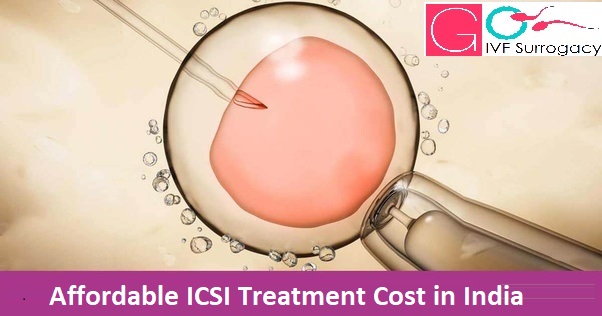
a) IVF with ICSI: ICSI is considered to be one of the best male infertility treatments for a person who is undergoing for an IVF. ICSI is a procedure which will boost the IVF success rates and the study says that 75% of the women under age of 35 years who had undergone for the IVF with ICSI procedure have achieved the successful pregnancies. This treatment has bypassed many male infertility problems such as low sperm count, poor quality of sperms, blockage or irreversible vasectomy.
b) Hormone treatment: Your fertility expert will prescribe some fertility drug treatment which helps to correct your hormonal imbalances and also improve the health of your sperm. Clomid is one of the most common drugs which men need to take a pill per day for about three to six months.
Clomid is a powerful drug which helps men pituitary gland to produce luteinizing hormone (LH) and follicle-stimulating hormone (FSH), which communicate with their testicles to produce good quality of sperm.
c) Testicular biopsy, TESA, MESA: With the advancement in medical science men who have few or no sperm in his ejaculate can create genetically-related children. During the IVF with ICSI procedure, your fertility expert will inject a single sperm directly into the women egg to make conception successful; however, if the fertility expert is unable to obtain the sperm from men ejaculate, then they can be surgically withdrawn from the testicle (TESA) or extracted directly from the epididymis (MESA) to make the conception happened.
d) Surgery: When all the other non-surgical procedures are failed to provide a successful outcome then surgery is the only option left to treat the male infertility condition. Surgery can remove the barriers to pregnancy. Following are some examples:
- Your fertility expert will remove a varicocele which can reduce sperm count and can decrease sperm quantity.
- By performing surgery blocked fallopian tubes will be clear which affecting the pregnancy.
- Surgery can remove uterine abnormalities such as polyps and fibroids.
- With the help of surgery, the scar tissues will be removed due to which pelvic inflammatory disease (PID) and other inflammatory conditions occur.

Why Choose Go IVF Surrogacy for male Infertility Treatments?
The people from across the globe choose Go IVF Surrogacy because here they get the best male infertility treatment with reasonable cost and also achieve the highest rates of successful conceptions. This is a center where you will get the highly skilled and trained professionals who support you 24*7 and will inform you about your treatment on each stage so that you can take good care of yours and also follow the healthy diet which allows you to fulfill your dream of having an own baby.
What Causes Infertility in Men?
There are many possible causes of male infertility, and sometimes more than one factor is involved.
Common causes include:
- Low sperm production
- Poor sperm motility
- Abnormal sperm morphology
- Varicocele
- Hormonal disorders
- Testicular injury or infection
- Certain genetic conditions
- Problems with sperm transport
- Ejaculation disorders
- Erectile dysfunction
- Previous reproductive surgery
- Certain medications or medical treatments
- Smoking and excessive alcohol consumption
- Obesity and poor metabolic health
- Excessive heat exposure to the testicles
- Some environmental or occupational exposures
In some cases, doctors may not identify one specific cause even after evaluation. This is sometimes referred to as unexplained or idiopathic male infertility.
Male Infertility Symptoms: What Should You Look For?
One of the most important things to understand about male infertility symptoms is that there may be no noticeable symptoms at all.
Possible signs can include:
- Difficulty achieving pregnancy with a partner
- Problems with erection
- Difficulty ejaculating
- Reduced sexual desire
- Pain or swelling around the testicles
- A lump or enlarged veins in the scrotum
- Smaller-than-usual testicles
- Recurrent reproductive or genital infections
- Changes associated with hormonal disorders
Having one of these symptoms does not automatically mean infertility. A medical evaluation is necessary to identify the actual cause.
How Is Male Infertility Diagnosed?

A common question is, how is male infertility diagnosed?
Diagnosis usually starts with a detailed medical and reproductive history followed by a physical examination. A fertility specialist may ask about previous illnesses, surgeries, medications, lifestyle habits, sexual function, previous pregnancies, and reproductive history.
The doctor may then recommend semen analysis and other tests depending on the findings.
What Tests Check Male Fertility?
The answer to what tests check male fertility depends on the individual. Not every man requires every available test.
Common investigations may include:
- Semen analysis
- Hormonal blood tests
- Physical examination
- Scrotal ultrasound
- Genetic testing in selected cases
- Urine or other tests when clinically indicated
- Specialized sperm testing in selected situations
The purpose of testing is not simply to obtain one number. Doctors assess several factors together to understand sperm production and reproductive function.
Male Infertility Blood Test and Semen Analysis
A male infertility blood test and semen analysis can provide complementary information.
Semen Analysis
Semen analysis is one of the most important initial tests for evaluating male fertility. It examines semen and provides information about sperm concentration, movement, and morphology, among other characteristics.
Frequently Asked Questions About Male Infertility
How is male infertility diagnosed?
Male infertility is generally evaluated through medical history, physical examination, semen analysis, and additional tests such as hormone blood tests or imaging when required.
What tests check male fertility?
Semen analysis is usually an important initial test. Depending on the findings, doctors may recommend hormonal blood tests, ultrasound, genetic testing, or other investigations.
Can low sperm count be treated?
The treatment depends on the underlying cause. Some causes can be treated medically or surgically, while assisted reproductive techniques may be considered when appropriate.